
How do you plan a vacation with your cat?
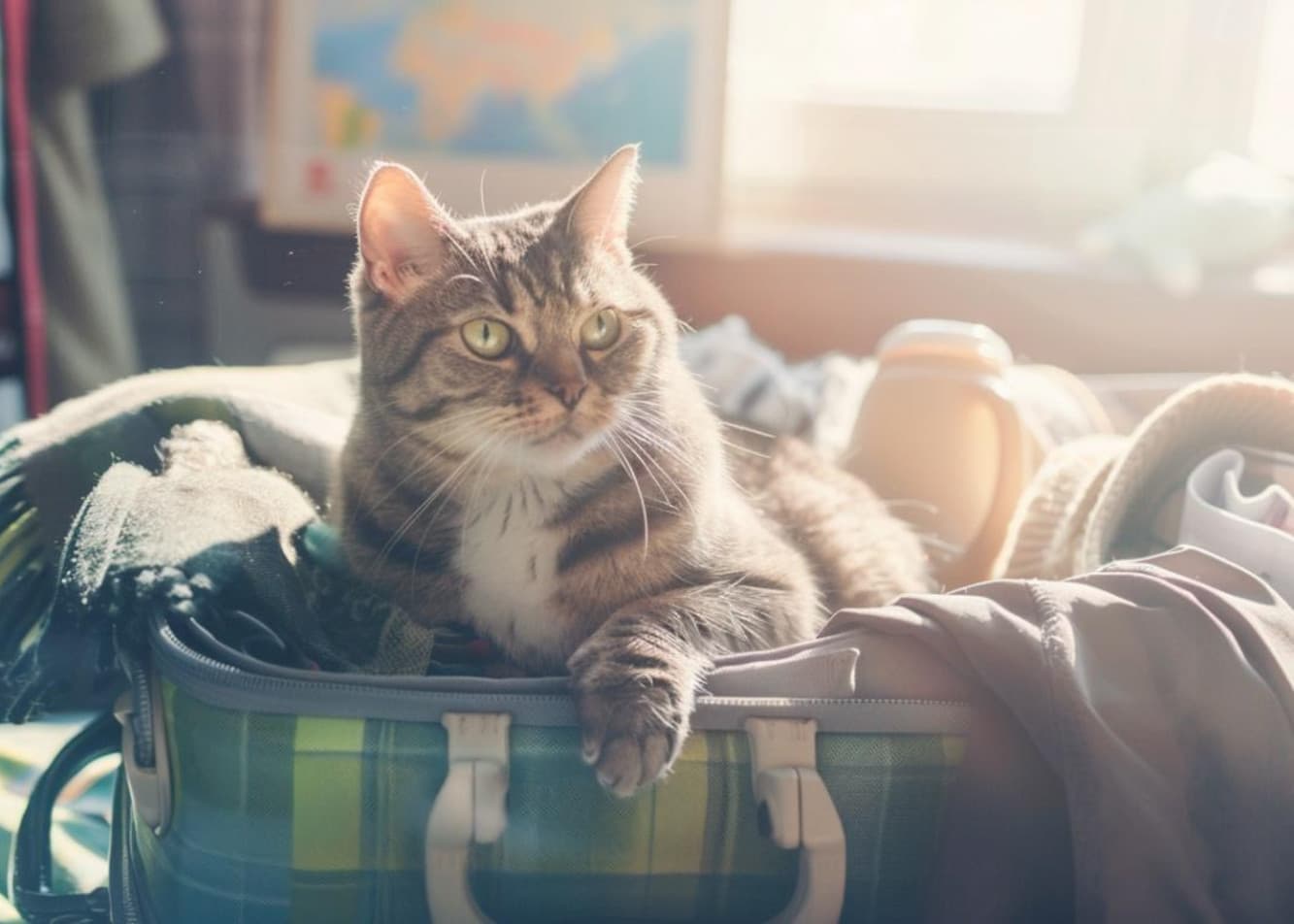
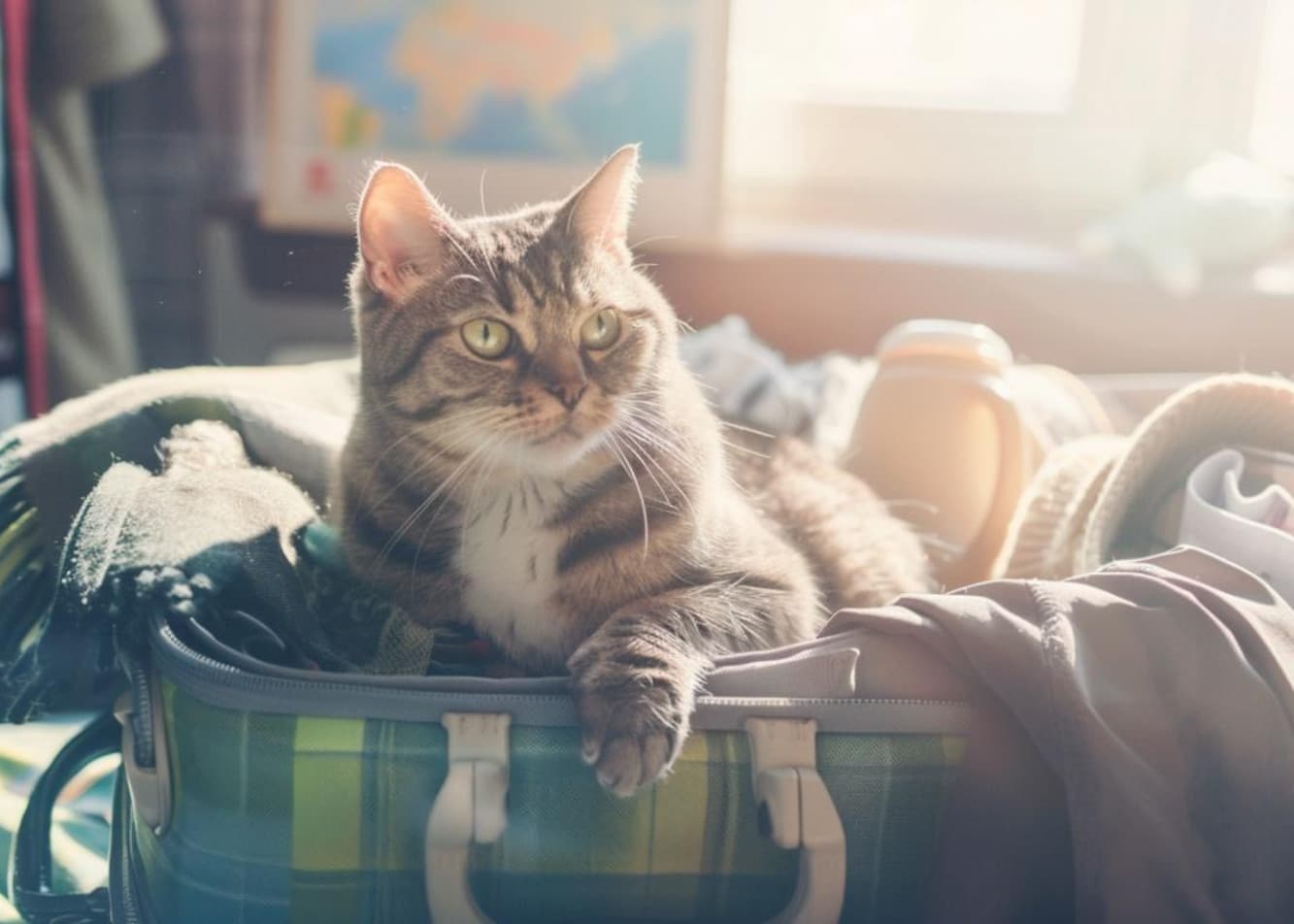
When planning a vacation with your furry friend, it’s important to make the necessary preparations to ensure the trip is comfortable for both your pet and you.Cats are animals that generally value predictability and routine, so a change in their environment can be stressful for them.However, a well-planned trip can go off without a hitch.It is essential to gradually get your cat used to traveling, choose the right mode of transportation, and find pet-friendly accommodations.
In this article, we’ll discuss whether it’s worth taking your cat on vacation, how to ensure its safety and comfort while traveling, and what accessories you’ll need.We will also cover the most important issues related to travel, choosing the right vacation spot, and ways to minimize your pet’s stress.
Whether you're planning a vacation with your cat at the beach or in the mountains, a well-thought-out plan will let you enjoy your trip without any unnecessary hassles.
Is it worth taking your cat on vacation??The pros and cons of traveling with a pet
Cats are deeply attached to their surroundings and feel most comfortable in a familiar, safe environment.A change of residence can be a source of stress for them.Even so, there are pets that adapt very well to travel—especially if they’ve been getting used to it from the very first months of their lives.However, it’s important to remember that the decision to take your cat on vacation should be carefully considered.
The benefits of traveling with a cat:
- No need to leave your pet in the care of others or at a cat hotel.
- The option to spend your vacation with a pet.
- Less stress for your cat if it handles travel well.
Disadvantages and potential challenges:
- Stress caused by a change in environment.
- The need to tailor your vacation plans to your pet's needs.
- Limited availability of pet-friendly accommodations.
If your cat isn’t used to traveling, you might want to consider leaving it in the care of a trusted person, hiring a pet sitter, or booking a stay at a professional cat hotel.It is particularly inadvisable to take animals that are timid, poorly socialized, distrustful, or prone to motion sickness on trips—the journey itself can be a significant strain for them.Travel is also not recommended for elderly animals or those with chronic health conditions, as severe stress can worsen their health.
Getting used to traveling from the first months of life
It’s best to start preparing your cat for travel during the early socialization period, that is, before the animal reaches 12–16 weeks of age.Cats that have had the opportunity to travel during their first few months of life are generally more resilient to the stress associated with a change in environment—especially if their initial experiences outside the home were neutral or positive.At the same time, it’s also a good idea to teach your cat to walk in a harness and on a leash—this skill significantly increases its safety later in life, especially when venturing outside its familiar surroundings.
However, this doesn't mean that adult cats can't learn to travel.Much depends on the animal's individual characteristics and its relationship with its owner.When the bond between a pet and its owner is strong and based on trust, they are much more likely to travel together.The owner then becomes a source of security for the cat—in difficult moments, it is the owner’s presence that helps the cat regain its composure more quickly.
However, if the cat is timid, reacts poorly to change, and has a hard time adapting to new situations, it would be much better to keep it in its familiar home environment.
How to prepare your pet for a trip?Practical tips
It’s a good idea to start preparing for a trip with your cat a few weeks before your planned departure.The key steps are:
- a visit to the veterinarian – checking the cat’s health, updating vaccinations, deworming, protecting against external parasites (fleas and ticks), and microchipping the cat and registering it in the database along with the owner’s current information (if this has not already been done);
- packing the essentialssuch as a litter box, scoop, a supply of litter, food, treats, bowls, a bed, a scratching post, a blanket with the scent of home, a harness and leash, and cat toys.Be sure to bring your pet’s health record with you—even if you’re only going away for the weekend;
- Getting your pet used to the carrier – it’s a good idea to place it in your home a few weeks before the trip so your pet can get used to it.It’s important to remember that a travel carrier must be spacious enough for the cat to lie down, stand up, and turn around comfortably.Under no circumstances should the animal be let out of the carrier while in transit.The interior must be comfortable enough for the pet to spend most of the trip in comfort.It’s a good idea to line the bottom of the carrier with a soft blanket or small mattress and a disposable pad, which will help minimize the mess from any litter box “accidents” or vomiting during the trip;
- Find out the location and hours of operation of a veterinary clinic at your vacation destination – it’s a good idea to do this before you leave so that, in case of health issues, you’ll know right away where to seek help;
- cat supplements – if your pet is sensitive to stress, you may want to consider introducing calming supplements early on.Consult your veterinarian or a behaviorist regarding the type and dosage.Once you arrive, it may also be helpful to use a diffuser containing synthetic analogs of cheek pheromones (F3), which help the cat adapt to its new surroundings.
Before traveling, make sure your cat has all the necessary documents—especially if you plan to cross a border.You may need: a pet passport, proof of current vaccinations (including rabies), confirmation of timely deworming, and—depending on the destination country—results of additional tests.
Transporting a cat in a car – make sure your pet is comfortable
Traveling by car is one of the most popular ways to travel with a cat.To ensure your pet’s safety and comfort, keep these key guidelines in mind:
- Cats should only travel in a carrier – this ensures safety in the event of sudden braking or a collision, and also reduces the risk of unpredictable reactions from the cat in a stressful situation.
- Maintaining the right temperature in the car – on hot days, it is necessary to use the air conditioning or open the windows slightly to prevent overheating.
- Regular stops – it’s a good idea to stop every few hours to check on your pet.However, you shouldn't let your cat out of the car, especially if it isn't used to walking in unfamiliar surroundings.A stressed animal can easily get scared and run away, which makes it much harder to find in an unfamiliar place.
Some cats handle train rides better, especially if they get car sick.If your pet has trouble with this, you might want to consider traveling by train as a more comfortable option.Be sure, however, to check the carrier’s pet transport policies in advance—they may vary in terms of both regulations and fees.
While traveling, be sure to give your cat water regularly, especially on warm days, to prevent dehydration.It is best to serve a meal a few hours before traveling, as this reduces the risk of nausea.For longer trips (over 12 hours), it’s a good idea to bring pre-portioned food and bowls so you can comfortably feed your pet during stops.
For exceptionally long trips, you may want to consider using a more spacious fabric kennel instead of a traditional carrier.This option gives the cat more freedom of movement and, if necessary, also allows access to the litter box.
What supplies should you bring on vacation with your cat??Packing List
When packing for a vacation with your cat, be sure to include the following items:
- conveyor,
- bowls for water and food,
- cat food —preferably the kind your cat eats every day,
- litter box, scoop, and a supply of litter,
- a bed or a blanket,
- toys – favorite accessories can help reduce stress,
- a harness with an ID tag and a leash – useful when outdoors,
- Essential medications and supplements for cats,
- health record or other documents required at the place of stay (e.g., passport),
- cat accessories.
Bringing along your cat’s favorite items, such as a blanket that smells like home, can make it much easier for them to settle into their new surroundings.Familiar scents provide a sense of security and help reduce stress.It’s also a good idea to pack a travel first-aid kit for your cat—it should include basic medications, disinfectants, bandages, and the contact number for a veterinarian in the area where you’ll be staying.
How to Spend Your Vacation with Your Cat?
It all depends on your pet's preferences.If your cat is a typical homebody, plan some time to spend together at your accommodation.Try to maintain a consistent daily routine—just like you do at home—including regular meals and daily playtime.
Under no circumstances should you leave your cat alone all day.If you’re planning a vacation that involves sightseeing or activities outside your accommodation all day long, and your cat would be left alone during that time, you might want to consider whether it would be better to leave it at home in the care of a trusted person or a pet sitter.
If, on the other hand, your cat enjoys walks, exploring new places, and being active outdoors, you can take it on short walks around the neighborhood.But before you head out, do some recon—choose a quiet, safe route, away from crowds, busy roads, dogs running loose, and other potential hazards.
Remember that cats should always be walked on a harness and leash—never let them roam freely without supervision.
Choosing pet-friendly accommodations
When planning a vacation with your cat, it’s important to ensure its comfort and safety.One of the key factors is choosing the right accommodation that will ensure peace and comfort for both you and your pet.
The perfect places for a vacation with your cat are:
- Vacation cottages – they offer open space and the chance to escape the noise, which helps your cat adjust to its new surroundings.
- Pet-friendly apartments and hotels – before making a reservation, it’s a good idea to review the property’s policies and make sure it allows cats.
- Farm stays – a peaceful, rural setting can be the perfect choice for a cat, especially if it likes to watch nature through the window.
Note!Regardless of where you choose to stay, for added safety, hang a sign on the door indicating that there is a cat inside.This will help ensure that people entering the room (such as facility staff) are more careful, thereby reducing the risk of accidentally letting the pet out.
If you're dreaming of a vacation by the sea with your cat, you'll find plenty of pet-friendly accommodations along the Baltic coast.Popular destinations for trips with cats in Poland also include the Bieszczady Mountains, Masuria, and the Tatra Mountains—places that offer proximity to nature and a peaceful setting.
What to keep in mind when planning a vacation with your cat?
Vacationing with your cat requires some preparation, but by following a few basic rules, you can ensure your pet’s comfort and safety:
- Make sure to get your cat used to the carrier and short trips outside the house in advance;
- Choose a suitable, quiet, pet-friendly place to stay;
- Bring all the necessary accessories, including scented items that your pet has used at home.However, if the trip would be too stressful for your cat, you might want to consider other options, such as a cat hotel, a pet sitter, or leaving your pet with a trusted person in a familiar environment.
Don't forget about insurance
When traveling with a cat, it’s a good idea to purchase pet insurance.This type of insurance may cover m.in.: medical expenses in emergencies or repair of damage caused by a pet at the accommodation.Before you leave, check your options and make sure the insurance you choose is valid in the country you’re traveling to.
Recommended