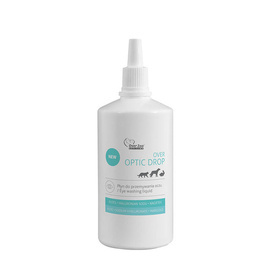
How do you clean a cat's eyes?


Small tears under the eyes, moist corners, or dried discharge—it’s a sight that almost every cat owner is familiar with.Sometimes it appears after a nap, other times after vigorous play, and sometimes it persists on a daily basis, causing concern with its appearance.For many people, the topic of eye hygiene is not immediately obvious, as it is often associated more with treatment than with prevention.Meanwhile, it’s a daily routine that can have a real impact on your pet’s comfort and health.The challenge is that cats are exceptionally independent and sensitive animals, and any handling of the head area—especially near the eyes—requires not only knowledge but also the right approach.The sooner we start getting our pet used to gentle grooming routines, the easier it will be for them to accept them as an adult—consistency and a gentle approach are the keys to success.
It’s not enough to just know how to clean a cat’s eyes—it’s equally important to understand when and why you should do it, how to recognize the first signs of problems, and how to prepare for the procedure itself so that it’s as stress-free as possible for both of you.In this article, we explain everything step by step so you can feel confident and at ease!
Table of Contents:
- Do cats need to have their eyes cleaned??When necessary?
- Symptoms that should prompt you to take action
- What to use and how to safely clean a cat's eyes?
- Step by step: how to wash your cat's eyes at home?
Do cats need to have their eyes cleaned??When necessary?
Let’s start with the fact that in healthy cats, the eye should remain naturally moist and shiny, with no visible third eyelid, discharge, crusting, or other secretions visible either on the eyeball itself or in the corners of the eyes. The outer eyelids should open and close freely, and the conjunctiva should be a light pink color, without swelling or redness.And if that’s what a cat’s eye looks like, it doesn’t require any ongoing maintenance, because that means it’s in perfect condition and shouldn’t be touched.
However, if your cat’s eyes do not look as described above, cleaning them may be necessary, especially if there is visible dirt, tearing, or brown discharge under the eyes. The need for this practice is particularly important for animals with specific facial structures, such as Persians or exotic breeds, which tend to experience excessive tearing due to their short tear ducts.But the problem isn't limited to purebred cats—dust, pollen, pet dander, and even drafts can cause irritation in any pet. Even a minor upper respiratory infection can manifest itself as watery eyes.
This is important!
The condition of a cat's eyes often reflects its overall health. Therefore, you should always consult a veterinarian first to rule out any underlying health issues and, if necessary, initiate appropriate treatment.However, if the problem stems, for example, from a breed-specific anatomical structure, regular monitoring and proper care will improve your pet’s comfort and also allow you to detect any potential health issues sooner.
Symptoms that should prompt you to take action
Any change in the appearance of a pet's eyes should be noticed by the owner.The most common symptoms requiring treatment include excessive tearing, brown discoloration under the eyes, sticky discharge, swelling of the eyelids, redness of the conjunctiva, or squinting in one eye.
The type of discharge can reveal a lot about a cat's health.A clear, watery tear may be caused by a draft, pollen, or mild irritation.On the other hand, thick, yellow, or greenish discharge often indicates an infection—either bacterial or viral. Brown stains, on the other hand, are a common problem in brachycephalic cat breeds.These issues stem from blocked tear ducts—in such cases, cleaning your cat’s eyes may become a daily routine (unless, for example, the problem can be resolved with a procedure to unblock the ducts).Dark discharge around the eyes can also be a symptom of allergic reactions, which may be caused by either environmental allergies (in which case the discharge usually appears periodically) or food allergies.
Cats that have had herpesvirus or calicivirus—viral diseases collectively known as “cat flu”—earlier in life often suffer from recurrent tearing and can cause permanent damage to the eye’s structures, leading to recurring symptoms often associated with a decline in overall immunity.Therefore, to properly identify the cause of the problem, you should always consult a veterinarian—and sometimes even a veterinary ophthalmologist—about any eye issues.
Frequent squinting, blinking, scratching around the mouth, or avoiding light are also cause for concern. Such behavior may indicate pain, irritation, or the presence of a foreign object.The best thing you can do in this situation is go to the vet as soon as possible without interfering with the condition of your pet’s eye, because the vet may want to perform an examination on the spot or collect a sample for further analysis, and your immediate actions could prevent them from doing so.Therefore, do not administer any medications on your own without consulting a veterinarian, so as not to harm your cat or make it difficult to reach an accurate diagnosis.
If medical issues have been ruled out or treated, and the tearing persists, then, with the approval of your doctor, regular eye care can be implemented, which helps remove any debris and improve the condition of the eye area, e.g., by washing away dried secretions.
Are you wondering if that's all there is to it??Not!Find out how to clean your cat's eyes.You can find the information below.
What to use and how to safely clean a cat's eyes?
Cleaning your cat's eyes safely and effectively requires both the right products and a gentle approach, as well as knowledge of a few simple rules. First and foremost, keep in mind that the area around the eyes is extremely sensitive, so it’s best to stick to only proven methods for cleaning your cat’s eyes.Every procedure should be performed calmly, without rushing, and in as comfortable an environment as possible — both for the cat and for the owner.It’s a good idea to ensure a quiet environment, good lighting, and that all materials are properly prepared before the procedure begins, and to give your cat a healthy treat afterward.This will help him feel more comfortable with the whole process, and next time he might be less anxious, knowing that a reward is waiting for him.
Experts on what to use to clean a cat's eyes are extremely precise.For cleaning, it is best to use sterile gauze pads or special lint-free cotton swabs that do not leave fibers behind. This is important because, for example, ordinary cotton wool can leave microscopic particles that irritate the conjunctiva and do more harm than good.Disposable products are the ideal solution, especially those soaked in eye care solutions designed specifically for animals.
When it comes to home remedies for cleaning a cat’s eyes, saline solution sold in ampoules works best and can be safely used for daily hygiene.However, you should avoid any "home remedies" made from tea or herbs, as they can only worsen the condition of your eyes and trigger an allergic reaction.
It is particularly dangerous to rinse your eyes with chamomile tea, as it dries out the conjunctiva and worsens the condition of the eye; therefore, you should never do this!Also, remember never to give your pet human eye drops without first consulting your veterinarian.Many human medications are not suitable for animals, and treating a cat's eye with an inappropriate medication can have serious negative consequences.
If the discharge is dry or crusty, it’s a good idea to first dampen a cotton pad and wait a moment before gently wiping the area around the eye.The movements should be short, moving from the center of the eyeball outward toward one corner or the other – use each cotton pad only once, for one eye.Do not rub the area around your eyes or pour a large amount of liquid into them, as this may cause irritation.Proper eye care for cats helps keep their eyes clean and prevents infections, which can develop from seemingly harmless dirt.

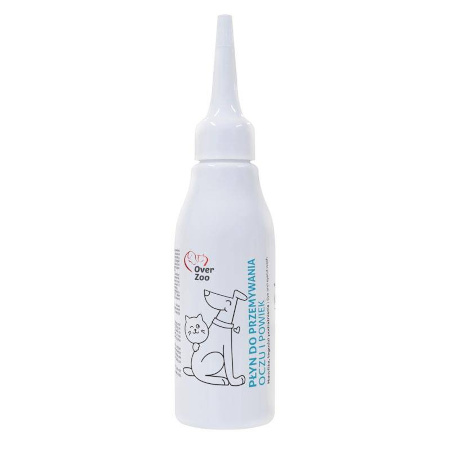
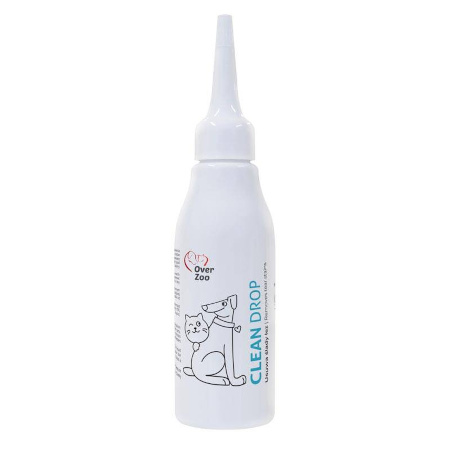

If you have any questions about which product to choose, it is best to consult your veterinarian.Not all cat eye cleansers available on the market are suitable for every pet—some may cause irritation or allergic reactions.An owner who understands their pet’s individual needs can make an informed choice of a product that will support daily grooming and become a safe part of their pet’s health care.
Step by step: how to wash your cat's eyes at home?
A cat's eyes are extremely sensitive, and although they usually do a good job of cleaning themselves, they sometimes need our care—especially when there is excess discharge, dust, or signs of mild irritation.In such situations, cleaning your cat’s eyes at home may not only be helpful but also necessary.However, it is important that the entire process take place in a calm atmosphere, with sensitivity and care.
To ensure the procedure is effective and safe, it’s important to know how to properly clean your cat’s eyes.Below you'll find step-by-step instructions to help you groom your pet in a way that's comfortable for both of you:
- Prepare a sterile gauze pad or a lint-free cotton swab moistened with saline solution or a special eye wash;
- Gently support the cat’s head with your hand to keep it steady—this will prevent sudden jerks;
- Gently wipe the area around your eye—always moving from the center of the eyeball outward, toward one corner or the other;
- Use a separate cotton pad for the other eye to minimize the risk of transferring germs;
- After washing, pat the skin around your eyes dry with a clean, dry cotton pad;
- Give your cat its favorite treat—this will reinforce positive associations and make future procedures easier.
From our article, you already know, among other things, how often to clean your cat’s eyes and why it’s so important.With simple hygiene practices, you can prevent many problems and quickly spot any concerning symptoms.By knowing how to clean a cat's eyes, we can be sure that we're handling the situation properly and with care.Gentleness, consistency, and careful observation are all it takes to support your cat in its daily life.This daily routine is not just about hygiene, but also an expression of our responsibility and closeness.
Recommended

Over Zoo Over Otimax Forte Ear Care Solution for Dogs and Cats, 90 ml