
How do you care for a cat with a disability?
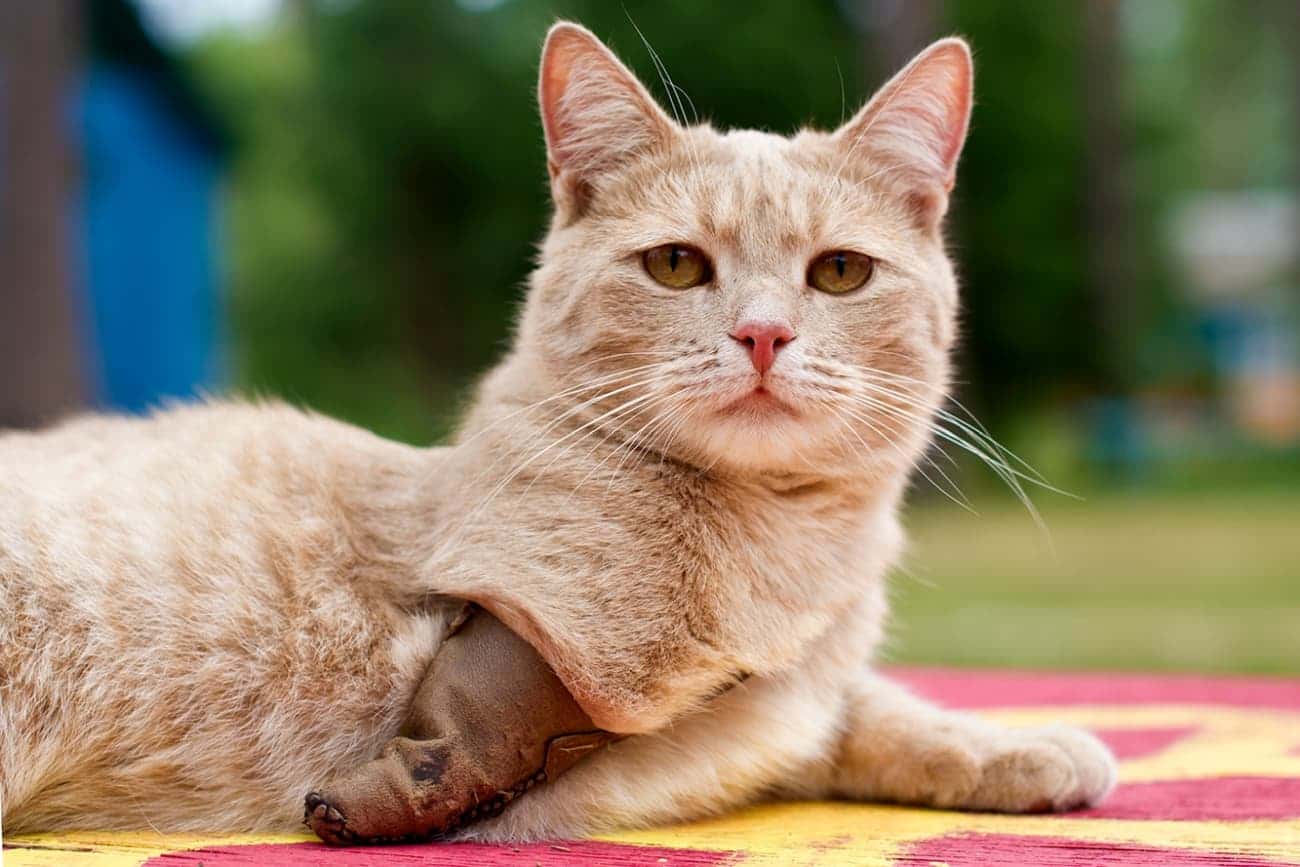
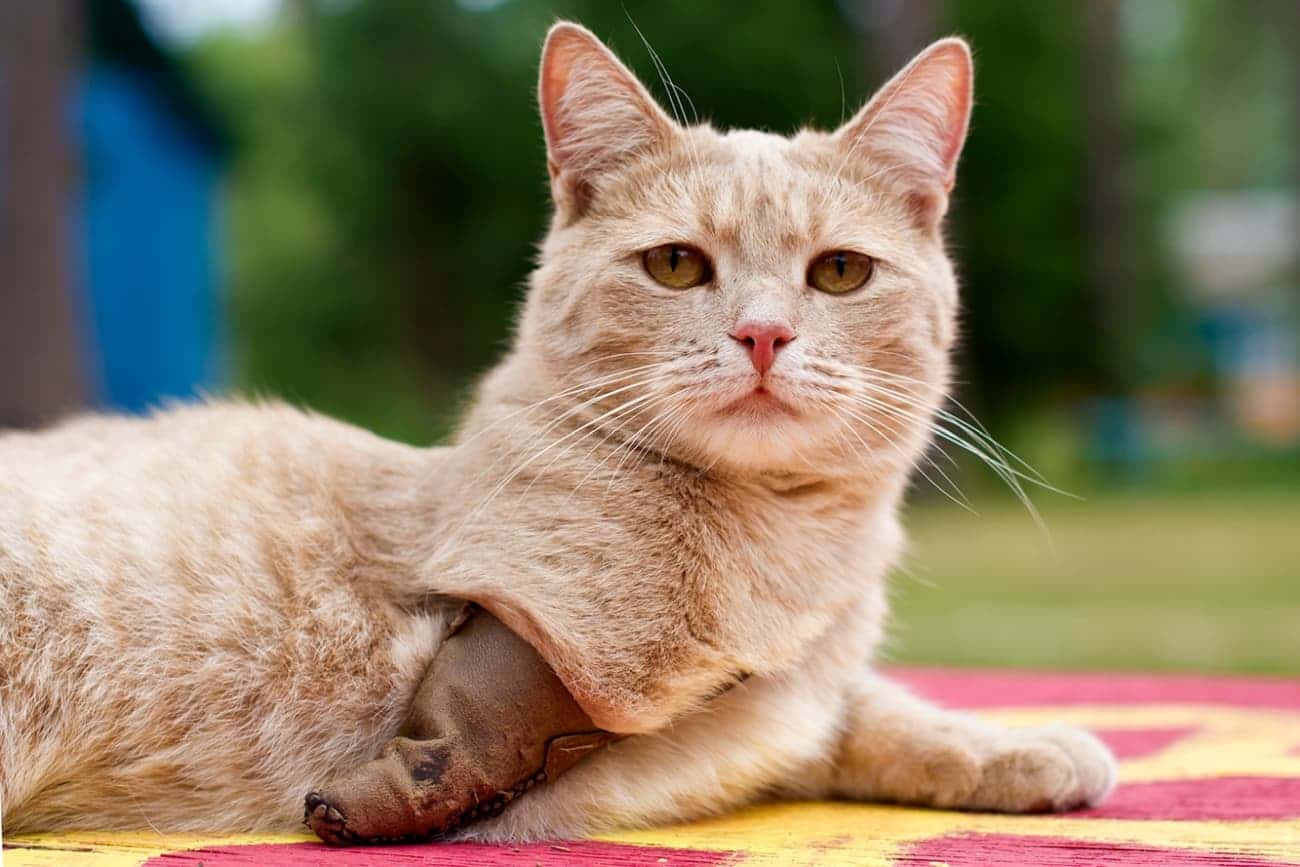
Year after year, veterinary medicine is becoming increasingly successful in treating animals with a wide range of ailments.Among them are cats with various types of disabilities.What is it like to care for a pet like this??What to keep in mind?What to expect?And most importantly—is this really so different from taking in a healthy cat??Here are a few tips on this topic.
Types of disabilities in cats
When we start talking about disabilities in animals, we need to begin by establishing some categories.Disabilities can be divided into several major categories:
- congenital - often resulting from past illnesses, genetic defects, or an unfortunate coincidence that has caused the animal to suffer from a particular disability practically from birth (or from a very early age, meaning it essentially knows no other way of functioning).If he just learns to cope with his problem, he may find that his life is quite happy, simply because he won’t know that life can be any different;
- acquired - most often resulting from an accident or a progressive disease (e.g., the need to remove an eye due to an infection or the need to amputate a limb due to cancer).Such cats may have trouble adjusting to their new, disabled way of life, but that doesn’t mean it’s impossible for them.It may simply involve a longer adjustment period and the need to take additional necessary steps (such as behavioral therapy, animal physical therapy, or additional medical treatments);
- sensual - this category includes cats with disabilities, most commonly involving vision or hearing.It is important to note that these animals not only have their own way of analyzing their surroundings, but also often develop a distinct language of communication that differs from the standard one, which can lead to misunderstandings within larger groups of cats, especially when they first meet.Over time, however, things can work out just fine—provided, of course, that the caregiver does their job properly;
- motor - applies to animals with various motor disorders, such as paresis, paralysis, post-amputation conditions, as well as neurological disorders.Sometimes, these cats are also less readily accepted by other animals because their behavior appears unusual (this is especially true for cats with neurological conditions that cause some form of motor incoordination).However, proper socialization can often resolve this issue by teaching healthy animals the specific behaviors of a disabled cat;
- social — it’s one of the most common disabilities, yet it’s hardly ever discussed, which is a shame.This applies to virtually every cat whose normal early socialization period was interrupted—that is, whose removal from its family group occurred before it reached 12 weeks of age.These animals tend to develop a host of problems as they get older, including.in.: lack of properly developed bite inhibition, a deficiency in mechanisms for relieving stress and frustration, communication problems regarding both sending and receiving social cues, difficulty in setting and respecting another dog’s boundaries, separation and anxiety disorders, and many others.A cat condemned to social isolation may suffer the consequences for many years, affecting its caregivers and potentially other animals as well;
How to Care for a Cat with a Disability?
First and foremost, it is essential to gain a thorough understanding of the specific nature of the patient’s condition, while also expanding one’s knowledge of any potential additional consequences and complications resulting from this situation.Example: Cats with paralysis of the hindquarters often require mechanical bladder drainage, and failure to perform this procedure can lead to lower urinary tract diseases, including systemic infection.
Depending on the nature of their condition, cats with disabilities may require additional tests or procedures.For example, pets that have had a limb amputated may be more prone to osteoarthritis due to an uneven posture and uneven weight distribution.This may require regular visits to an animal physical therapy clinic, as well as the use of additional supportive supplements.
Cats that suffer from paralysis or partial paralysis also require special care.It is advisable to gain this knowledge by undergoing training with an experienced veterinarian or volunteers who run foster homes or entire organizations dedicated to caring for animals with this type of disability.
Pain management
Unfortunately, cats are naturally programmed not to show when they're feeling unwell.This is why they are difficult patients; many of their symptoms can remain hidden for a long time, and by the time they become apparent, the disease is often already at an advanced stage.For cats with disabilities, it is therefore particularly important to keep a close eye on your pet in this regard.We know, after all, that living with pain is incredibly destructive, both physically and mentally.Therefore, this factor should always be taken into account.As long as there is no pain or it can be managed, we can truly speak of maintaining well-being.
Let's see what we're made of
While on the one hand it is often said that a disabled cat is just like any other pet, on the other hand we know full well that there are cases that are more or less complicated in this regard.So if you’re thinking about adopting a cat like this, try to gather as much information as possible at the outset—not only about the cat itself, but also about the specific care it requires.All of this is so you can make an informed decision, because, after all, getting a cat is a commitment for many years to come.
