How do I switch my cat's food?
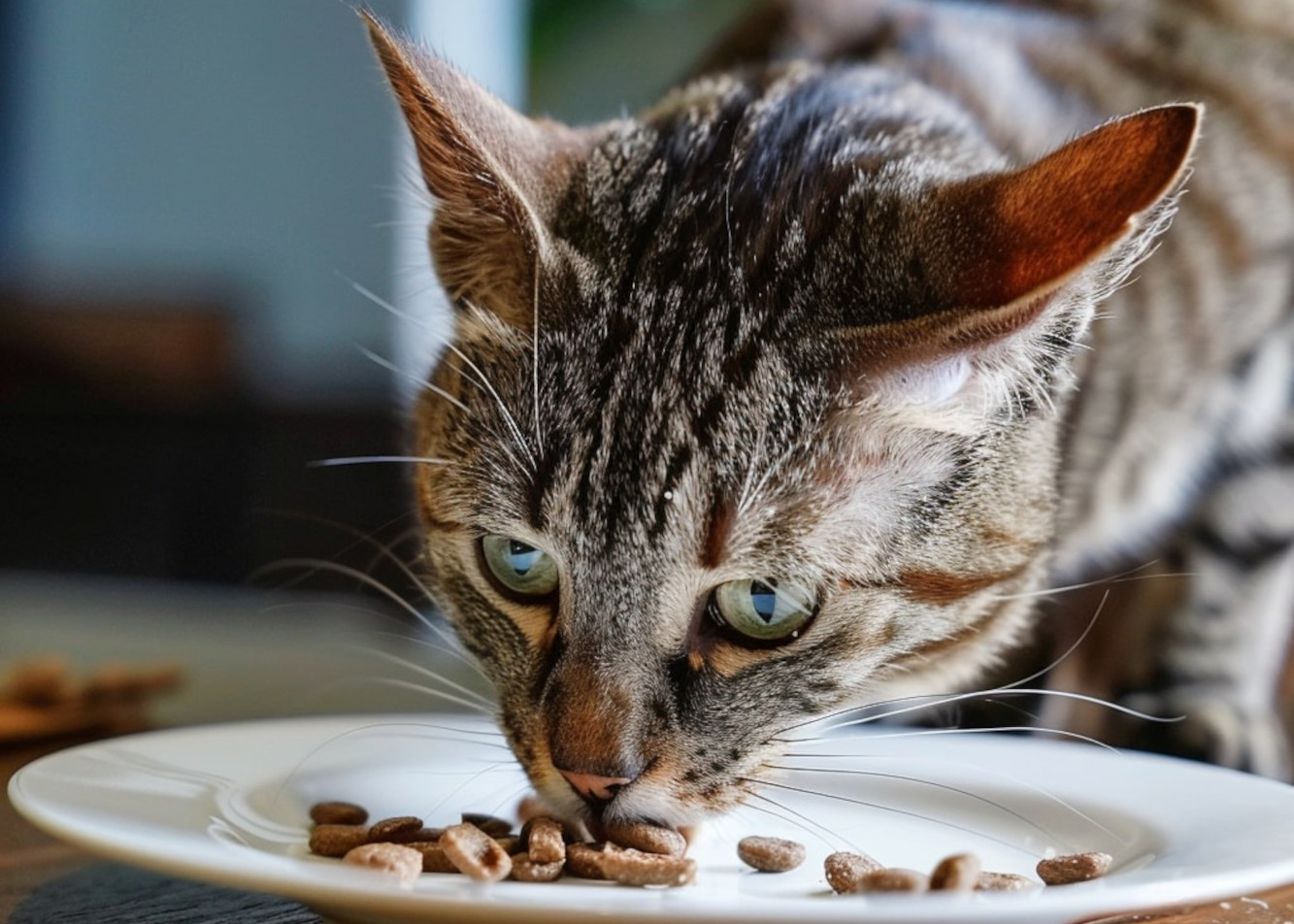
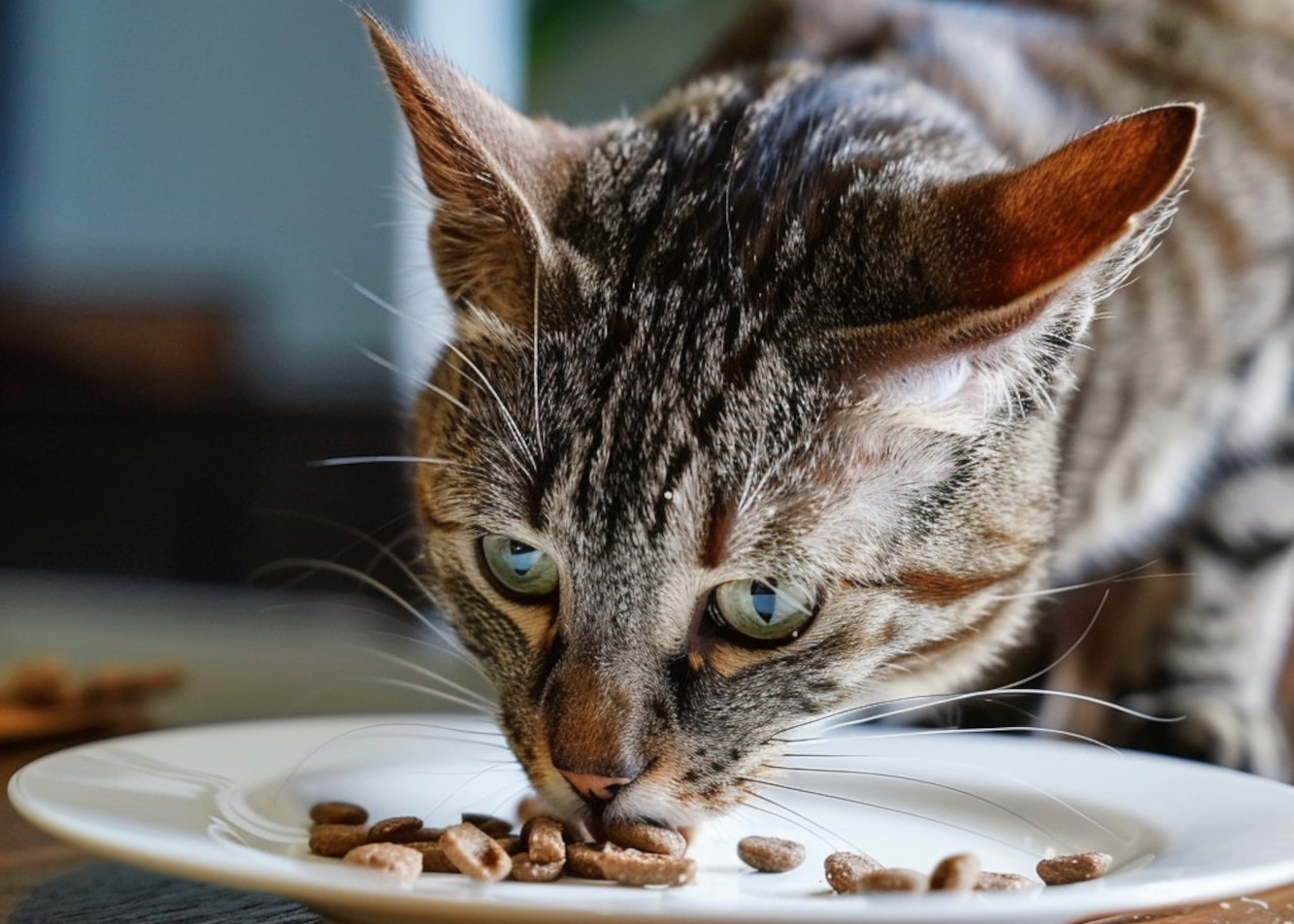
Changing a cat's diet is a process that requires a careful approach and proper planning to avoid health problems and stress for the animal.Cats are known for being picky and may react negatively to changes in their diet.In this guide, we’ll walk you through the process of safely and effectively switching your cat’s food, taking into account various factors such as your cat’s age, health, and taste preferences.With our tips, your pet will transition to a new diet with minimal stress and maximum health benefits!
Why You Should Switch Your Cat's Food?
Switching to cat food can be beneficial for many reasons.
- First of all, your cat’s nutritional needs may change over time depending on its age, health, and activity level.Kittens need food rich in protein and fats to support their growth, while older cats may require a lower-calorie diet with supplements that support joint and kidney health.
- Second, a varied diet can help prevent food allergies and intolerances that may develop as a result of long-term consumption of the same food.
- Third, introducing a new food can help maintain a healthy digestive system—it’s a way to provide a variety of nutrient sources and probiotics.
How to prepare your cat for a change in food?
Changing a cat's diet requires patience and care.First, consult your veterinarian for recommendations on a new diet suitable for your cat’s age, weight, and health (e.g., grain-free cat foodfor cats that are overweight or allergic to grain proteins).Next, buy a bag of the new food to see if your cat will eat it.It is important to introduce a new, healthy cat food gradually, for example by mixing small amounts of it with the current food.At first, you can mix 10–20% of the new food into a serving of the old food, gradually increasing the amount over the following days and weeks.Keep an eye on your cat’s reactions—both in terms of appetite and behavior—as well as its overall health.
Steps for introducing a new food
The process of switching a cat's food should be gradual—this will help prevent digestive problems and minimize stress for the cat.During the first week, add a small amount of the new food to your pet’s current diet—usually about 10–20% new food and 80–90% old food.Each week, increase the proportion of the new food by about 10–20%, while reducing the amount of the old food accordingly.It’s important to closely monitor your cat’s reaction to new food.If you notice any digestive issues, such as vomiting, diarrhea, or loss of appetite, slow down the transition to the new food or consult your veterinarian.The full transition to the new food should take about 4–6 weeks, depending on your cat’s individual response.
The most common problems when switching a cat's food
When switching your cat's food, you may encounter a few common issues.
- One of the most common is a lack of appetite or refusal to eat the new food.Cats are known for being picky eaters, so it’s important to introduce new food gradually and mix it with their current diet.
- Other problems may include digestive issues such as vomiting, diarrhea, or constipation.
If these symptoms appear, it’s a good idea to slow down the transition to the new diet and consult your veterinarian.Some cats may develop allergies or intolerances to new ingredients, which may require a change in diet or switching to a different food.
How to monitor your cat's health after switching foods?
Monitoring your cat's health after switching foods is essential to ensure that the new diet is working for them.Keep an eye on your cat’s behavior, energy level, appetite, and overall well-being.Take a look at his coat—it should be shiny and healthy—which is a good sign of proper nutrition.Check your cat's weight regularly to make sure it isn't gaining or losing weight uncontrollably.It’s also a good idea to monitor the regularity and consistency of your cat’s bowel movements, as this can indicate how well your cat is adapting to the new food.Diarrhea in cats after a change in diet?Digestive problems in cats?Regular visits to the veterinarian will allow you to monitor your cat’s health on an ongoing basis and respond quickly to any concerning symptoms.
Changing a cat's diet can be a challenge, but with the right approach and patience, it can be done effectively and safely.Be sure to introduce the new food gradually, watching your cat’s reaction and adjusting the process as needed.Consulting with a veterinarian can also help you choose the right diet and avoid health problems.