
How can you prepare your dog for New Year's Eve?
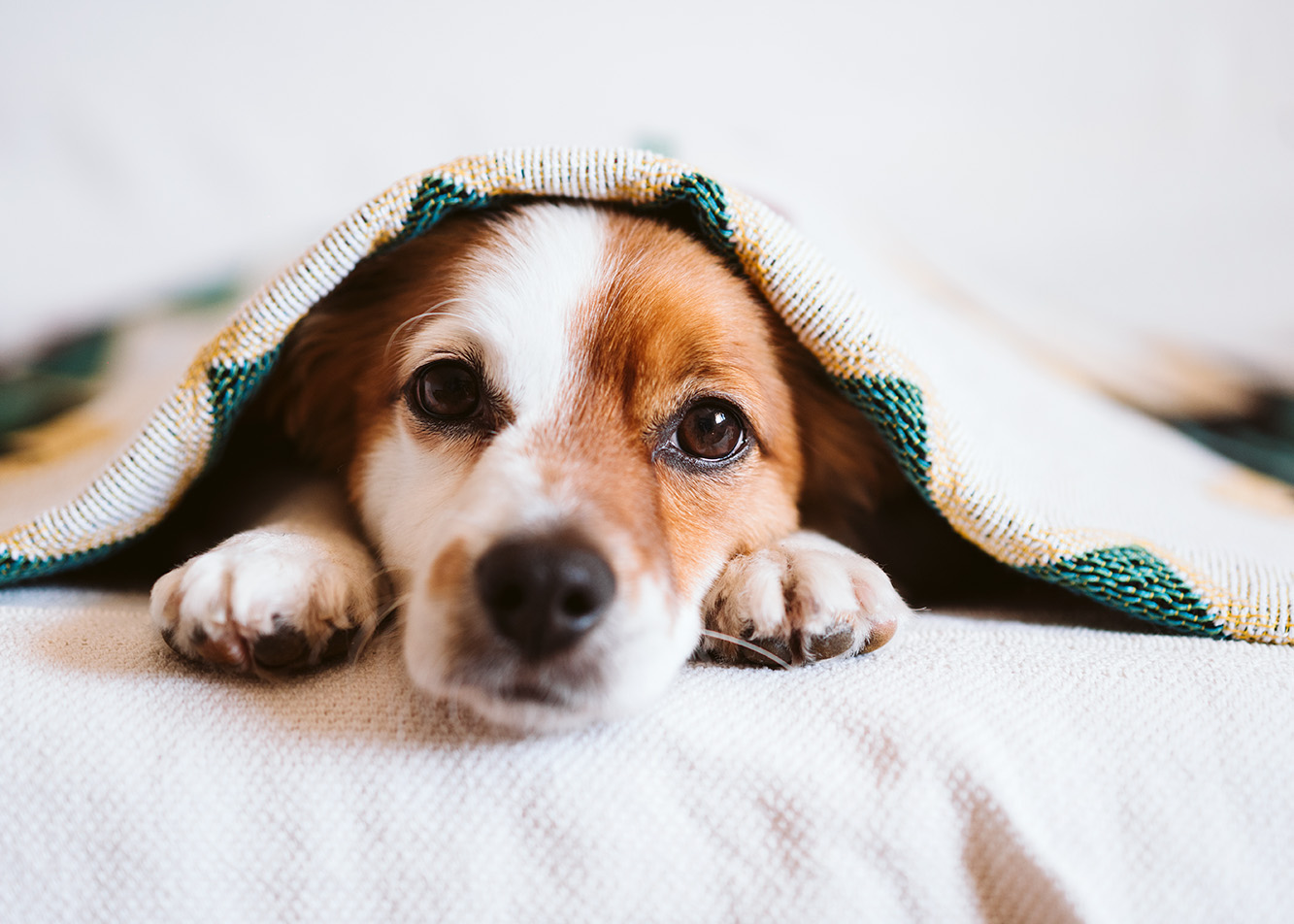
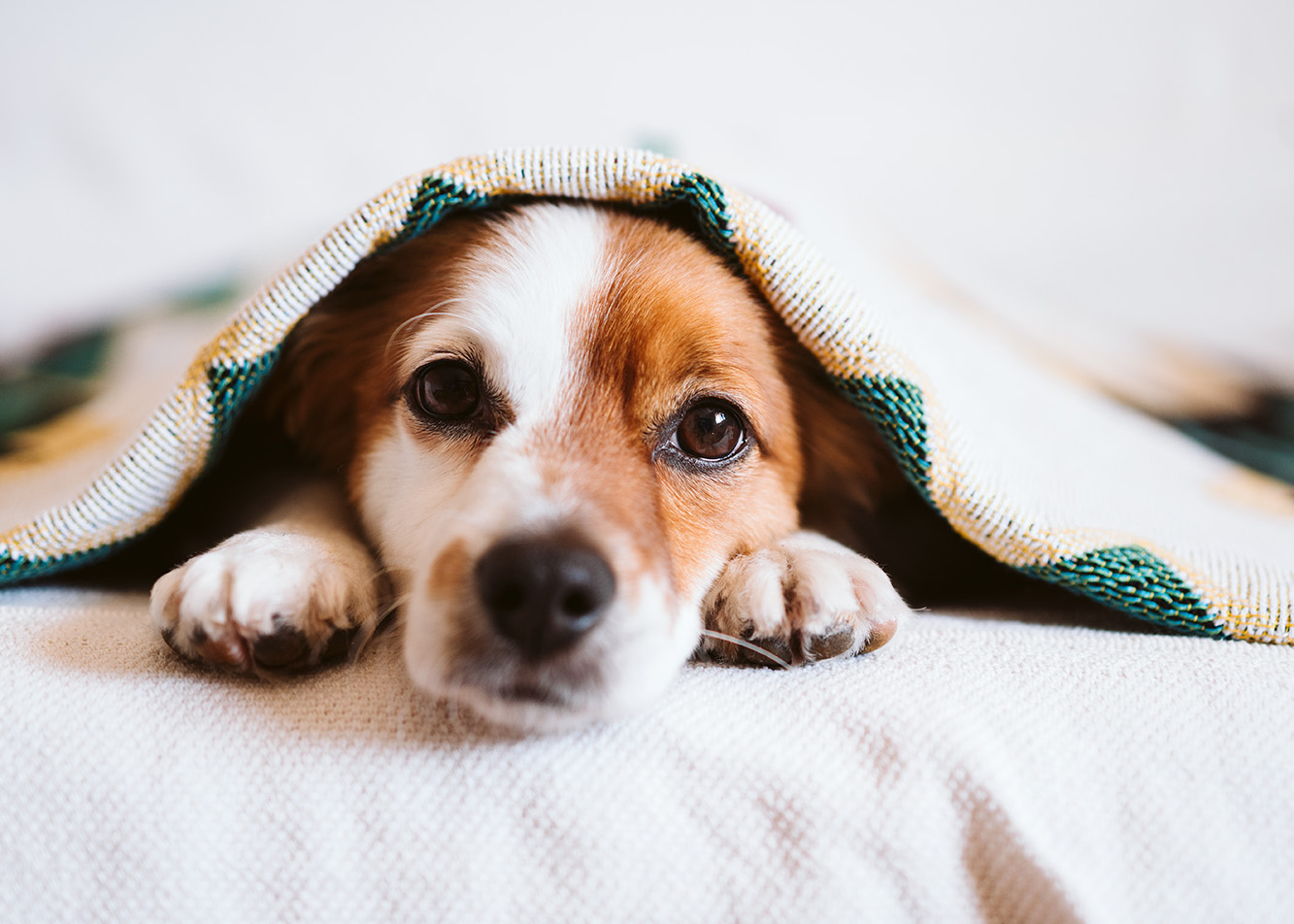
The night we've been so eagerly awaiting for our four-legged friend is a tragedy.Often, those terrifying moments for him begin much earlier.Fireworks going off, loud bangs, and the smell of burning are extremely stressful for him.Behaviorists have found that New Year's Eve noises affect dogs in the same way that the sounds of heavy bombing affect humans.So it’s not hard to imagine how the dog feels…
New Year's Eve with Your Dog
He can and should be spared such immense stress.Of course, the best thing would be to take your pet somewhere where the sounds of lively partying won’t reach.But that's usually not very realistic.
Contact your veterinarian
If your dog reacts particularly badly, it’s a good idea to visit the vet and ask for medication.These are safe and effective products that should be used as directed.
Under no circumstances should you determine the dosage yourself.
Get your apartment ready
The most important goal is to provide your dog with a home environment where he can feel calm and safe.You need to set up your home so that your pet is exposed to as few external stimuli as possible.Cover and soundproof the windows and doors, and place some extra blankets on the dog’s bed so he can snuggle up in them.Instead, you can leave the radio or TV on so that the sounds coming from them drown out the noise from outside.
You shouldn't change the regular spot your pet is used to, as this will cause them additional stress.Don't lock yourself in the bathroom or any other room!On the other hand, if your pet wants to find a quiet spot on its own, there’s no need to stop it.
Chewing has a calming effect; your puppy will be less stressed if you place various chew toys or treats (in reasonable amounts) in its playpen or on its bed.
Let's go for a walk first
On the last day of December, you should plan your walk with the dog in advance.But even so, surprises like firecrackers going off can still happen.That is why walks should only take place on a leash, and the leash should be secured so that the dog cannot get away.A harness is recommended.
And the collar must include an ID tag so that, in the event the dog runs away (which does happen, despite precautions), the runaway can be tracked down.
Dogs that are more prone to stress could benefit from special anti-stress vests.
Don't scold them, but don't coddle them either
Pet owners seem to think that if they cuddle and gently hold their stressed-out dog, it will be less afraid.That's not right.Doing this will only make the dog more afraid, because it will think that something bad is actually happening.You should speak to him in a normal tone and treat him as you usually do.And, importantly, don’t scold him if he happens to soil himself in the middle of the room out of fear.