
How can you help your pets beat the heat?
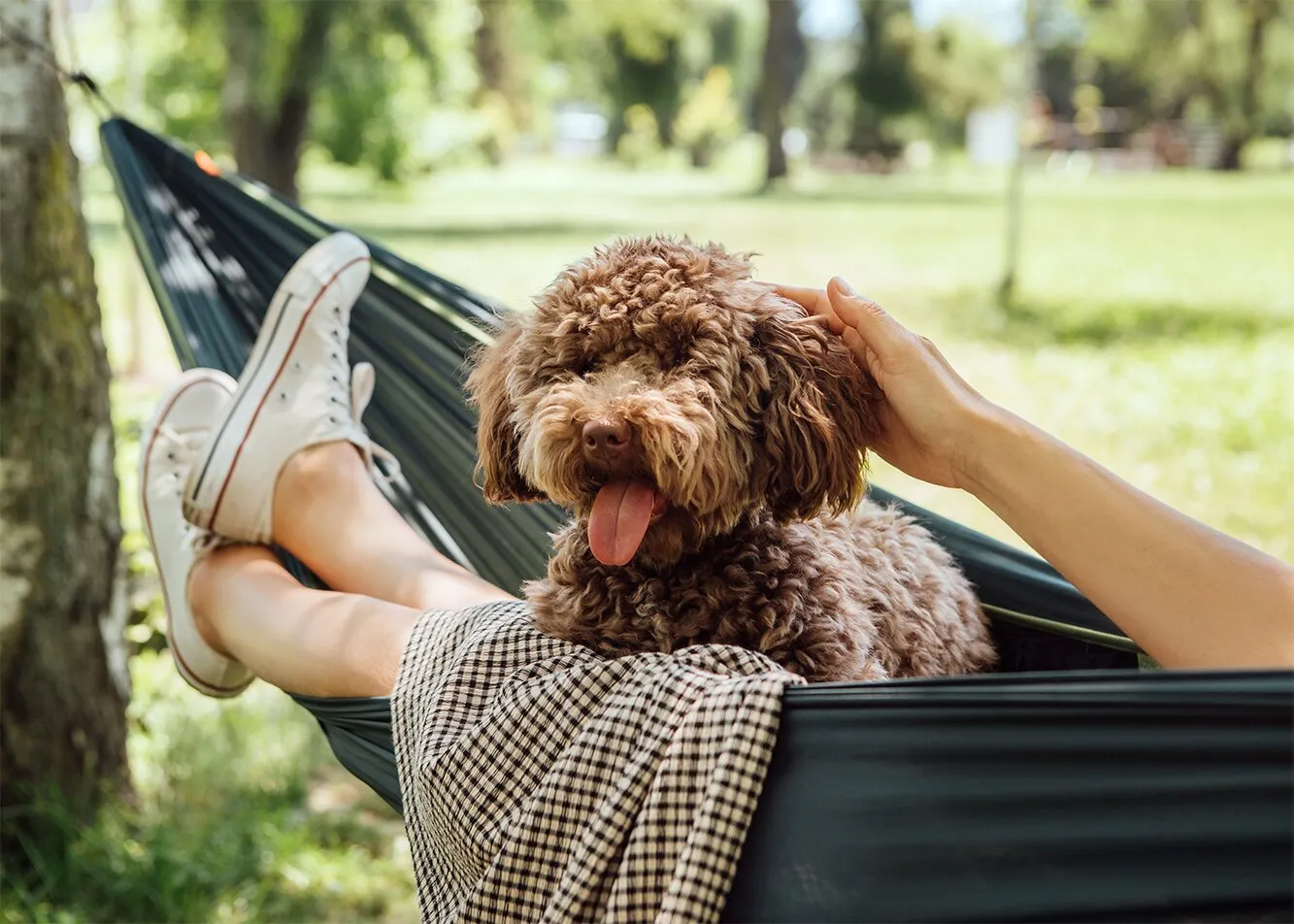
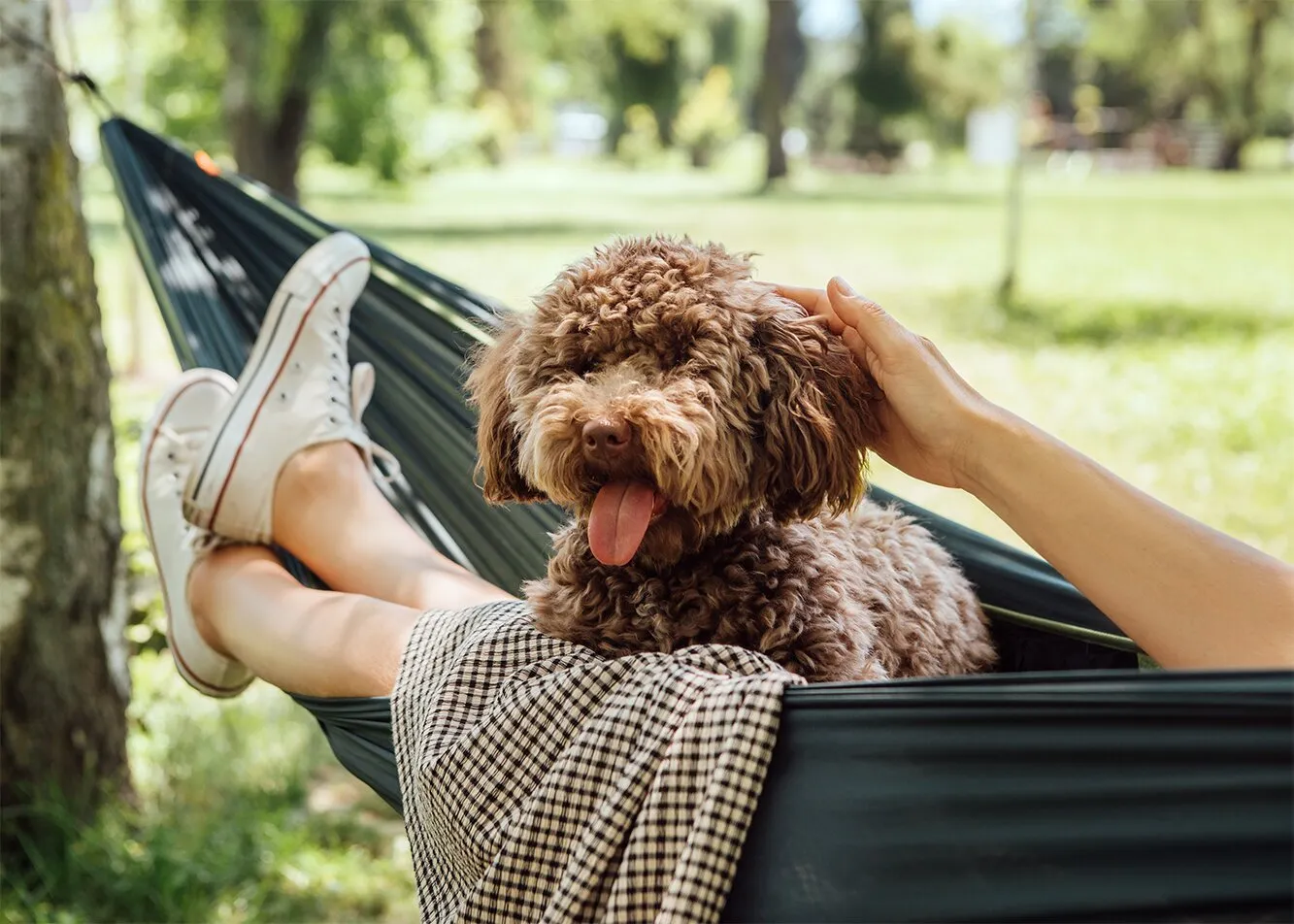
High temperatures are a challenge not only for people, but also for our four-legged companions.Both cats and dogs are at risk of dehydration, overheating, and even heatstroke.Their appetite and nutritional needs are also changing.Find out how to take care of your pet during the summer heat.
How to care for your cat in the summer?
In the summer, when temperatures soar, cats—especially indoor cats—can be particularly affected by the heat.It’s therefore worth ensuring their comfort and health by implementing a few simple but effective solutions.
Wet food – a way to stay hydrated
In the summer, many cats eat less, sleep more, and drink less water. wet cat food ( ) can help maintain proper hydration—it contains as much as 70–80% water.
Tips:
- Divide your daily portion into 2–3 smaller meals.
- Don't leave wet food in the bowl for more than 1–2 hours.
- After taking the out of the refrigerator, wait for it to come to room temperature.
More bowls of water
Cats don't drink much, so it's a good idea to encourage them to do so—especially on hot days.
Proven methods:
- Place a few bowls of water for your cat in different parts of the house.
- Try using a fountain—many cats prefer to drink from a moving stream.
- You can add a little water to the food to make a light paste.
Avoid sudden changes in your diet
Hot weather can make a cat's digestive system more sensitive.If you're planning to switch your pet's food, do it gradually—mix the new food with the old one over the course of a few days.
Observe your cat's behavior
Symptoms of dehydration include:
- loss of appetite and refusal to drink for more than 24 hours,
- dry nose and gums,
- less frequent use of the litter box.
In this situation, don't wait—consult your veterinarian.
How to protect your dog from the heat?
Dogs are also vulnerable to the effects of heat—especially brachycephalic breeds (such as bulldogs), older dogs, and overweight dogs.Whether at the beach, on a walk, or in the garden, you need to provide them with the right conditions.
Water and shade – the absolute essentials
During outdoor activities, your dog should always have access to cool, but not ice-cold, water.It's best to serve it in small portions, but regularly.
It will work well:
- portable camping toilet,
- beach umbrella or sunshade.
Limit your physical activity
During hot weather, it’s best to walk your dog early in the morning or late in the evening, when it’s coolest.Also avoid intense workouts.Shorter walks, adapted to the weather conditions, are safer—especially for:
- older dogs,
- a female dog that is pregnant or in heat,
- dogs that are sick or overweight,
- brachycephalic breeds (m.in.(pugs, bulldogs, boxers).
Protection for the skin and sensitive areas
The sensitive areas around a dog's nose, ears, and belly can easily get burned.For short-haired or hairless breeds, it’s a good idea to use special UV-protective creams designed for animals (never for humans)!).
Recognizing signs of overheating
Warning signs:
- heavy, rapid breathing,
- apathy,
- excessive salivation,
- vomiting.
In this situation, immediately move your dog to a shaded area and start cooling its paws and belly with cool water.If the symptoms do not subside, contact your veterinarian immediately.
Take care of your dog and cat during a heat wave!
Summer can be a challenging time for pets, but with proper care, a balanced diet, and close monitoring, they can get through the heat without any problems.Remember that every pet is different—tailor your care to their individual needs, and if in doubt, consult your veterinarian.