
How can you help your dog cope with anxiety?
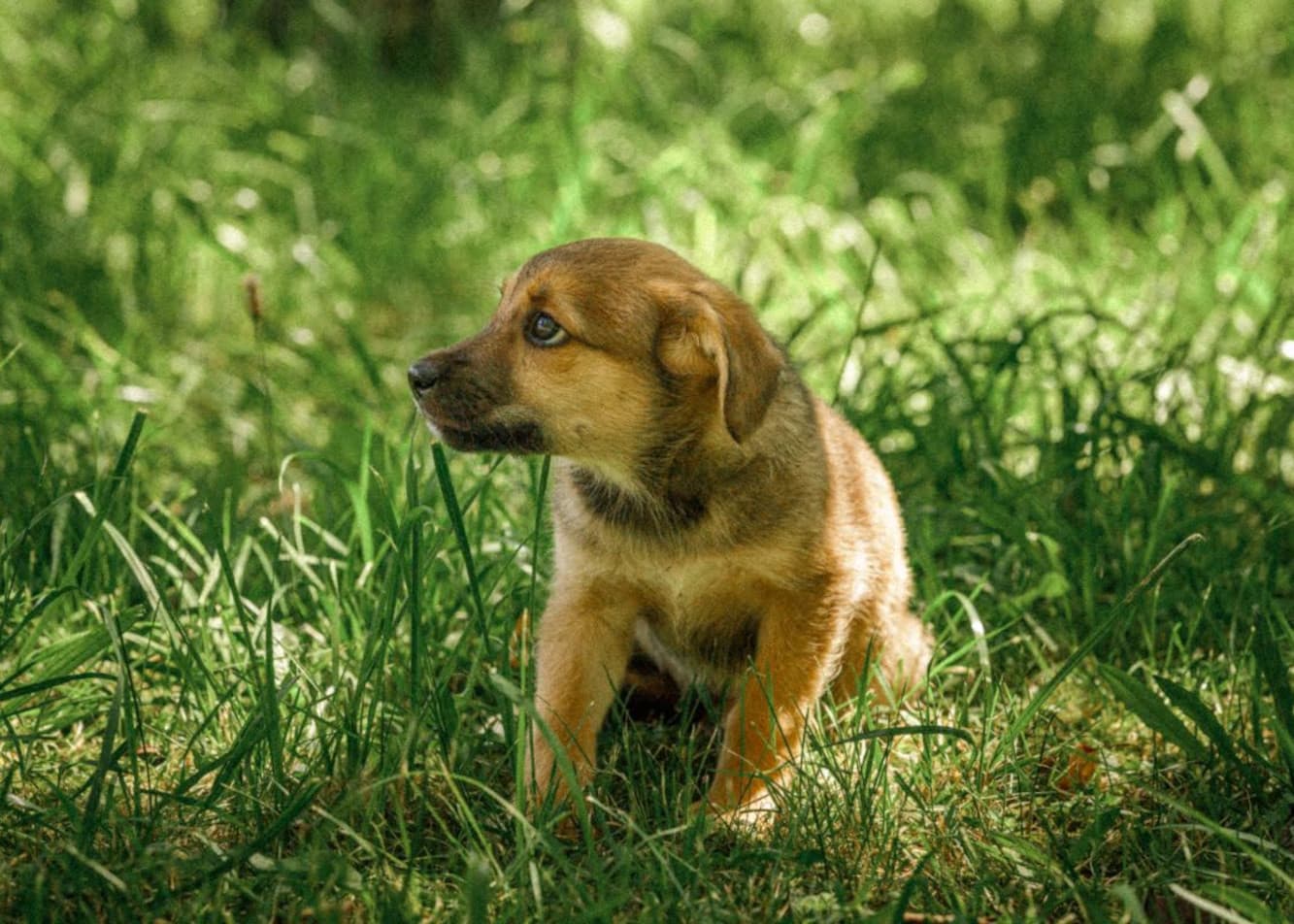
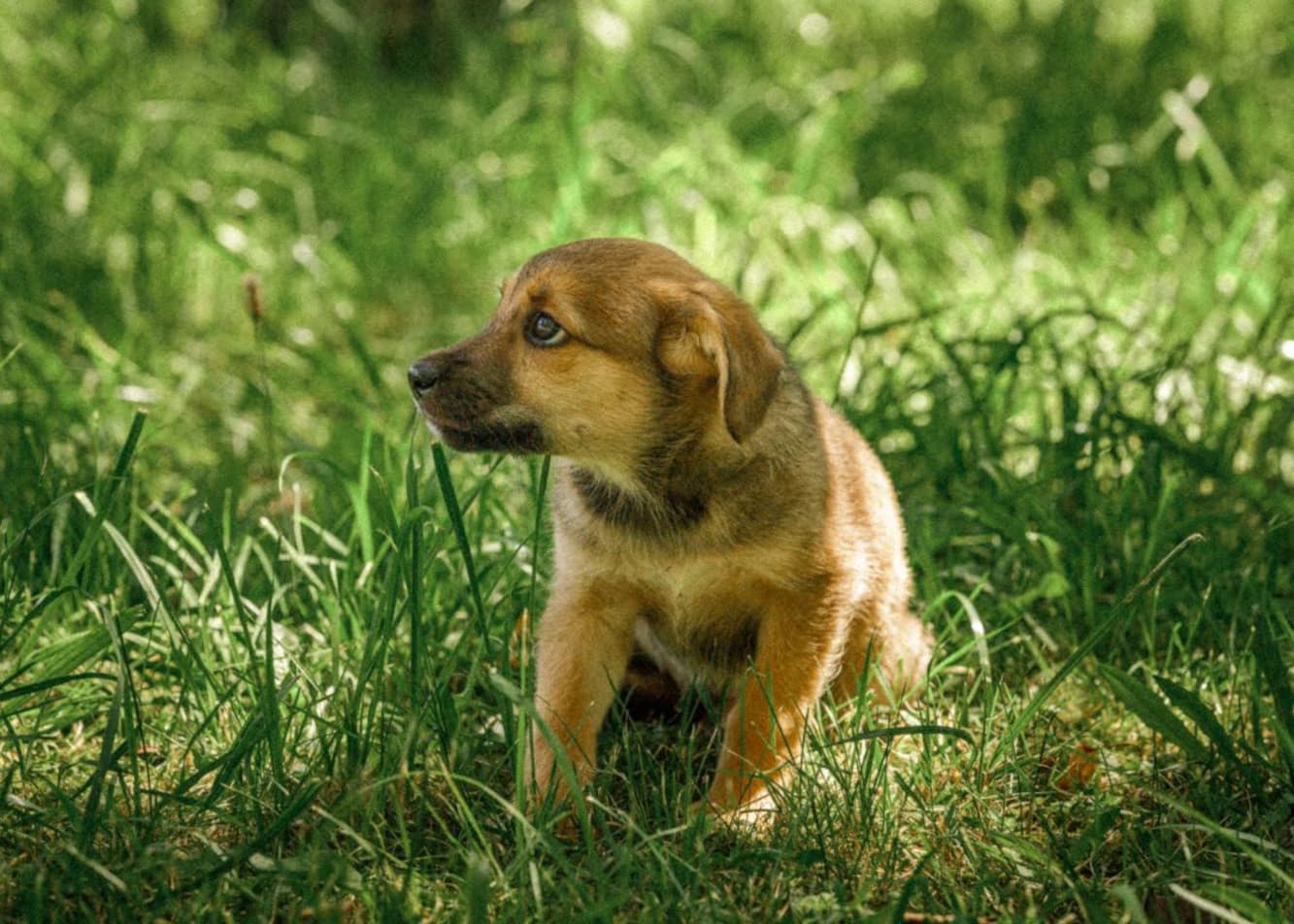
Anxiety in dogs is a serious challenge for both the animal and its owner.Understanding the causes, recognizing the symptoms, and using effective methods to manage anxiety are key to ensuring your dog leads a healthy and happy life.So, what can you do to prevent your dog from being fearful??In this article, we’ll discuss the differences between anxiety and fear, what separation anxiety is in dogs, the causes of anxiety in dogs, and how to help an anxious dog regain its peace of mind and joy of life.
Anxiety vs. Fear in Dogs – How Do They Differ??
Distinguishing between anxiety and fear in dogs is key to understanding their behavior.Anxiety in dogs is often chronic and can be triggered by a variety of situations that are not necessarily directly threatening.A fearful dog may feel uneasy even in a familiar and safe environment.
Fear, on the other hand, is a direct response to a specific threat and is usually short-lived.Recognizing these two conditions is the first step toward providing appropriate care and support for our pets.It is important to understand that a fearful dog requires special attention and the right approach so that it can enjoy life to the fullest without unnecessary stress.Emotional support, patience, and stress-relievingdog accessories are essential when helping an anxiousdog.
Where does anxiety in dogs come from??
Anxiety in dogs can have various causes, both genetic and related to past experiences.Some breeds are more prone to anxiety, and traumatic experiences—especially at a young age—can contribute to the development of anxiety.A fearful dog may suffer from past negative experiences or a lack of proper socialization.
It is important to understand that separation anxiety in dogs is a common problem that arises when a timid dog feels insecure while its owner is away.To minimize the risk of problems such as separation anxiety in dogs, it is essential to ensure proper socialization and help the dog feel secure.Enriching your dog’s living environment with various accessories, such asdog toys and natural treats, can also help reduce stress.
What can cause stress in a pet?
Stress in dogs is a multifaceted phenomenon, the causes of which can be found in various aspects of a dog’s life.The first and most obvious factor is changes in the dog’s environment.Moving, a new family member, or even a change in the daily routine can cause anxiety in a dog.In addition, noise—from fireworks to violent storms—is a well-known trigger of stress in dogs.
Another key factor is a lack of socialization or negative experiences in interactions with other animals or people.Uncertainty and fear arising from unfamiliar situations can lead to chronic stress.It’s also worth mentioning boredom and a lack of stimulation—dogs, especially intelligent and energetic ones, require regular physical and mental activity, so it’s a good idea to investin plush toys for dogs and other interesting toys.A lack of such activity can lead to frustration and stress.
What are the signs of pathological longing in dogs??
Excessive separation anxiety in dogs, often referred to as separation anxiety, manifests itself in many ways, depending on the dog's individual characteristics.Common symptoms include excessive barking or howling when the owner is away, destructive behaviors such as chewing on furniture or doors, as well as problems with eating or sleeping.
In addition, an anxious dog may show excessive attachment to its owner—constantly following them around the house, becoming distressed when the owner tries to leave, or panicking when left alone.These symptoms can lead to a decline in the dog’s overall health, including stomach problems or excessive shedding.
At times like these, it’s worth ensuring your pet’s comfort by providing suitable dog beds , which will serve as a safe haven for them.Models with a roof—such as the teepee-style tents that have been popular in recent years or the classic kennel cage—are perfect for this purpose.
What is separation anxiety in dogs??Causes and symptoms
Separation anxiety in dogs is a behavioral disorder characterized by severe anxiety when an anxious dog is separated from its owner.It may be the result of many factors, including changes in family life, such as moving, a change in ownership, or even a change in the caregiver's schedule.Some dogs are more prone to separation anxiety due to their personality, history, or breed.
The symptoms of separation anxiety are varied and may include excessive barking or howling, destructive behavior, attempts to escape, as well as physical symptoms such as excessive drooling or vomiting.It is important to understand that separation anxiety in dogs is not just a behavioral issue, but above all a matter of our four-legged friend’s emotional well-being.Using appropriate exercises, providing a safe environment, and using a variety of accessories such as puppy toys and stuffed animals can help alleviate symptoms.
Separation anxiety in dogs and pharmacology
In the context of separation anxiety in dogs, pharmacology plays a significant role as a tool for managing this difficult emotional state.Let’s consider what pharmacological options are available and what benefits and risks they entail.
Separation anxiety is a problem that can significantly affect the quality of life for both dogs and their owners.In some cases, when other treatment methods prove insufficient, medication may be considered as an option.
It is worth remembering, however, that medication is not a solution to all problems related to separation anxiety.This is just one element of a comprehensive approach to this condition.The selection of appropriate medications should be carefully tailored to the individual needs and temperament of a timid dog and administered under the close supervision of a veterinarian.
Let’s also remember that medication should be combined with other therapeutic methods, such as exercises designed to boost confidence, so that a fearful dog can build positive experiences—for example, by receiving natural dog treats.The key to success is a comprehensive approach that takes into account both pharmacological and behavioral aspects.
How to recognize a fearful dog?
A fearful dog can be a challenge, as signs of anxiety in dogs can vary depending on the dog’s individual characteristics.However, there are a few common signs to look out for.
An anxious dog often exhibits excessive submission or avoids situations that cause it anxiety.It may also react to stimuli such as noise or strangers by barking excessively or running away.In such situations, it will be necessary to socialize a fearful dog.It’s important to watch for changes in your dog’s behavior, such as excessive licking, trembling, or withdrawing from its surroundings.
Stress and anxiety in dogs can make life very difficult for them.The key is to observe your dog and respond to its needs.If you suspect your dog is anxious, it’s a good idea to consult a veterinarian or a dog behaviorist, who can help you develop an appropriate plan of action and offer advice on how to help your dog overcome its anxiety.
Methods for working with a fearful dog
Working with a fearful dog is a challenge that requires patience, knowledge, and dedication.In this article, we will discuss effective methods for working with a fearful dog that will help improve its quality of life and minimize stress and anxiety.An important first step is understanding your dog's fears.Every dog may have its own sources of stress and anxiety, which is why it’s important to get to know your pet well.
Observing a dog’s behavior—such as a lowered tail, trembling, or backing away—can help identify signs that indicate the dog is afraid.Consulting with a veterinarian is also essential.Certain health issues can affect a dog’s behavior, so it’s a good idea to rule out any possible medical causes.
Keeping a behavior log for your dog can be helpful.Recording what was happening in the dog’s environment during moments of fear can help identify potential fear triggers.Next, it is worth considering therapeutic methods such as behavioral training.This is a process of gradually exposing the dog to anxiety-inducing situations in a controlled manner, which can help the dog become accustomed to these situations.
If your pet is experiencing severe anxiety, it’s a good idea to consult an experienced animal behaviorist or a specialist in.dog behavior.Such an expert can tailor the treatment program to the specific needs of a fearful dog.Let’s not forget about emotional support either.Spending time with your dog, showing it love, and being patient can have a significant impact on its mental well-being.
How to strengthen your dog's mental resilience?
Strengthening a dog's mental resilience is key to helping it cope with its fears.There are many activities and exercises that help build a dog's self-confidence.Here are a few effective ways.
- Regular walks and physical activity — a shy dog on a walk can get very stressed.Regular walks and outdoor play not only improve your dog’s physical condition, but also help him relax and relieve built-up stress.It’s worth investing inthe rightdog leashes —perfect for training.
- Positive reinforcement training — working on obedience using methods based on positive reinforcement can help a dog gain confidence and a sense of control.
- Socialization — allowing your dog to interact with other dogs and people helps it gain confidence in new situations.It is important to approach socialization carefully to avoid traumatic experiences.
- Brain games — brain-stimulating toys and games are a great way to stimulate your dog's mind.Hiding treats in pull-out toys helps dogs develop their logical thinking skills.
When should you consult an expert??
In some cases, a dog’s anxiety can be deeply rooted and difficult to resolve on your own.It’s good to know when to consult an expert.
- Excessive anxiety — if a dog’s anxiety is severe enough to negatively impact its daily life and relationships with others, it’s a good idea to consult a behaviorist.
- The problem of aggression — if a fearful dog exhibits aggressive behavior in response to its fears, urgent steps should be taken to seek professional help.
- Challenges in addressing anxiety — if, despite your best efforts, you are unable to improve your dog’s well-being and alleviate its anxiety, it is advisable to consult a veterinarian who specializes in canine behavior.
Working with a fearful dog is a process that requires commitment and understanding.The key to success is a proper understanding of the dog’s fears, patience, and consistency in working to improve its well-being.
Anxiety in dogs is a problem that should not be taken lightly.The sooner we take action and use the right methods, the better the chances of improving our pet’s quality of life.Let’s remember that every fearful dog is different, so the approach to addressing anxiety-related issues should be tailored to each individual dog.
Working with a fearful dog can be challenging, but with the right methods and support, you can help your dog overcome its fears and lead a healthier, more balanced life.Fortunately, you now know how to reduce your dog’s stress and anxiety, which will allow you to ensure their comfort.Regardless of how anxious your dog is, it’s important to take steps to improve their quality of life and provide them with the support they need.