
How can I teach my dog to control itself around other dogs?
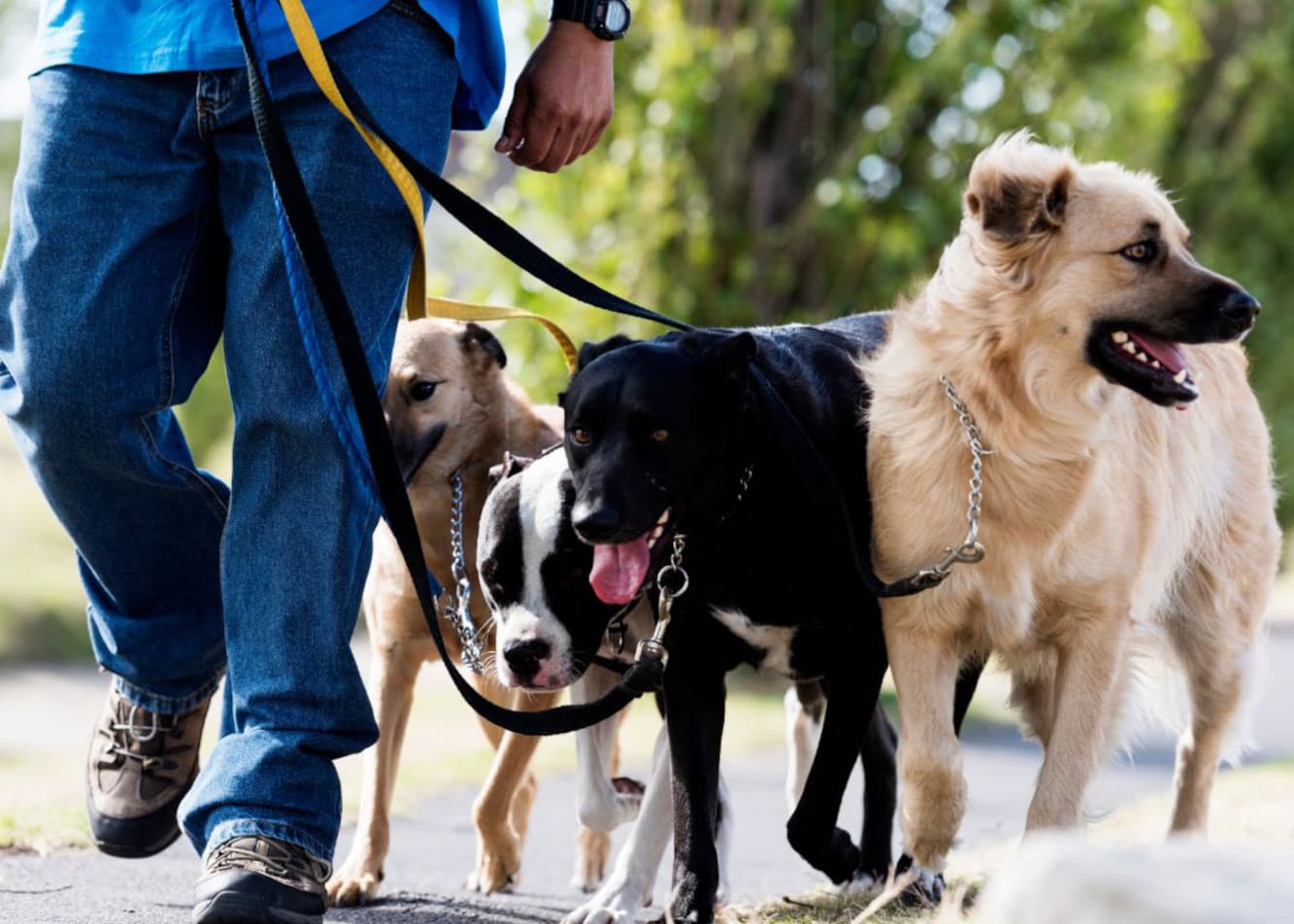
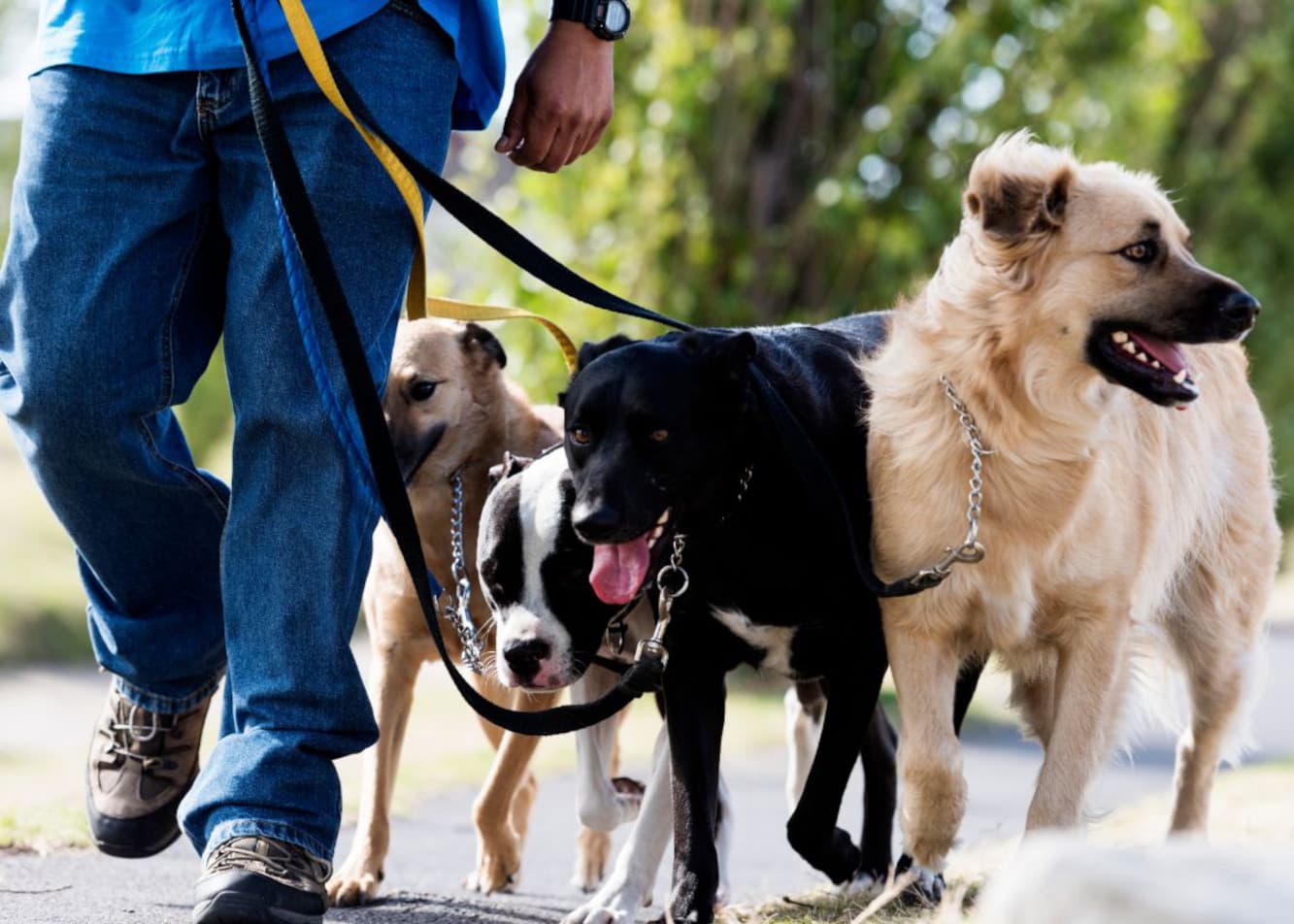
For some, walking the dog can be a real pleasure; for others, it’s a nuisance.A lot depends on how your pet behaves during such an outing.It’s not uncommon for a dog to bark at everything, pull on the leash, or try to approach other dogs out for a walk.This isn't always desirable.Sometimes it may result in a minor inconvenience; other times, it can lead to a serious threat.It’s worth keeping in mind that some dog owners don’t want other dogs to approach their pets.Animals themselves often do not tolerate such behavior either, as they may feel threatened.
If your dog pulls toward other dogs, barks at them, or reacts aggressively while out on a walk, it’s worth understanding the reasons behind this behavior.Only then is it possible to take the necessary steps to address the problem.
Why does a dog bark at other dogs??
Barking is a natural form of communication common to all dogs.Of course, there are breeds that are noisier, as well as those that bark much less.It’s worth keeping this in mind when choosing a breed and accepting that we can’t completely stop our pet from barking.The problem, however, is when a dog barks aggressively at another animal, which can happen, for example, during a walk.Such behavior often stems from a lack of socialization and mistakes made in child-rearing.
From the very first months of life, a puppy should be given the opportunity to interact with other dogs.If he spends all his time around people, he simply won’t know how to behave around other dogs.Such contact may cause him to become frightened, bark loudly, or become overly excited.Sometimes, the person in our care reacts with fear or aggression.Sometimes a dog lunges at other dogs, which can lead to unnecessary conflict between their owners.It’s worth remembering that barking can also be caused by past trauma, such as an attack by an aggressive dog.Another reason for bad behavior could be jealousy toward the owner when another dog approaches them, as well as a desire to defend their own space or a reluctance to share a toy.
How to teach your dog not to react to other dogs?
Many dog owners wonder how to calm their dog during a walk and teach it to remain indifferent toward other dogs.There are several methods that can help with this.It is essential to teach your pet to respond to commands that are important in such situations and to focus its attention on you.It is very important that the latter be "more appealing" to your pet than the other dogs walking around or approaching it.How to train your dog to achieve satisfactory results?
It’s a good idea to start training as early as puppyhood.The first lessons on focusing attention on the handler can be conducted at home, followed by outdoor sessions where there aren’t many distractions (e.g., in your own backyard), and only then should you move on to lessons in a place where other dogs will be present.It’s a good idea to use treats during training, rewarding your pet for focusing its attention on you for longer periods.The same technique is used while walking.If your dog tries to approach other dogs, call it back and reward it for paying attention to you.For training, your dog's favorite toy can also be used instead of treats .Every desired behavior on the part of your pet should be praised.
How to Stop Your Dog from Being Aggressive Toward Other Dogs – A Few Tips
If your dog lunges at other dogs, you should consider what might be causing this behavior.Perhaps it’s some kind of past trauma that has had a profound effect on the dog’s psyche and that will be difficult to deal with on your own.In some cases, it is necessary to seek help from an experienced behaviorist.It is also recommended to avoid situations that are very stressful for your pet.After all, it takes time to gradually develop the right behaviors.
It’s worth remembering that aggression is sometimes driven by fear.A dog that has been attacked by another dog in the past may feel afraid.And it is precisely this fear that triggers his hostility and aggressive behavior.In such cases, it is very important to help your pet manage its emotions and overcome its fear.This is often done under the supervision of a dog psychologist.
Let’s also remember that just as people are all different, so too can dogs be.Not all of them like to greet other dogs when they're out for a walk.Some dogs value their personal space and don't want anyone to invade it.If your pet exhibits these traits, let them stay in their comfort zone and avoid direct contact with other dogs.It’s safest to walk your dog on a leash at a safe distance from other dogs that might be more interested in interacting than your own.However, "stray dogs"—that is, dogs walking off-leash whose owners don't realize that such contact can be problematic—may pose a problem here.Of course, socialization with other dogs is essential.However, it should be gradual and take place under supervision.
How to calm your dog during a walk?
For your own comfort and that of your pet, it’s a good idea to teach your dog proper behavior during walks.It is not appropriate to run up to other dogs, bark at them, or show aggression toward them.It’s important to remember that the owner is responsible for the pet and its behavior.That’s why you need to start teaching your dog to walk on a leash and to come when called right from the start.It is important that your pet responds when called by its owner, even in stressful or exciting situations.Training in basic obedience and socializing the dog with people and other animals is helpful here.Teaching should be conducted by gradually increasing the difficulty of the tasks.We're starting it at home.Correct execution of the "come here" command should be rewarded.Next, you can work with your dog in a quiet outdoor setting, and only later in busier areas, such as downtown.
Training will not be successful unless the pet’s basic needs are met at the same time.These, however, can vary depending on the breed and temperament of the individual dog.It’s important to remember not only to provide proper nutrition and constant access to fresh water, but also to ensure they get enough exercise, spend time with their caregiver, and play together.A pet’s intellectual development is also important, and this can be fostered through activities such as playing with a snuffle mat or simply playing hide-and-seek using their favorite treats.Varied walks tailored to your dog’s activity level, as well as toys that capture its attention, can help reduce aggression, pulling on the leash, and barking at other dogs.
Teaching a dog self-control isn't always easy.However, it is undoubtedly essential if you want to raise a well-behaved dog that stays calm during walks and doesn’t react with excessive enthusiasm or aggression toward other dogs.