
Heterochromia in cats—why do cats have different-colored eyes?
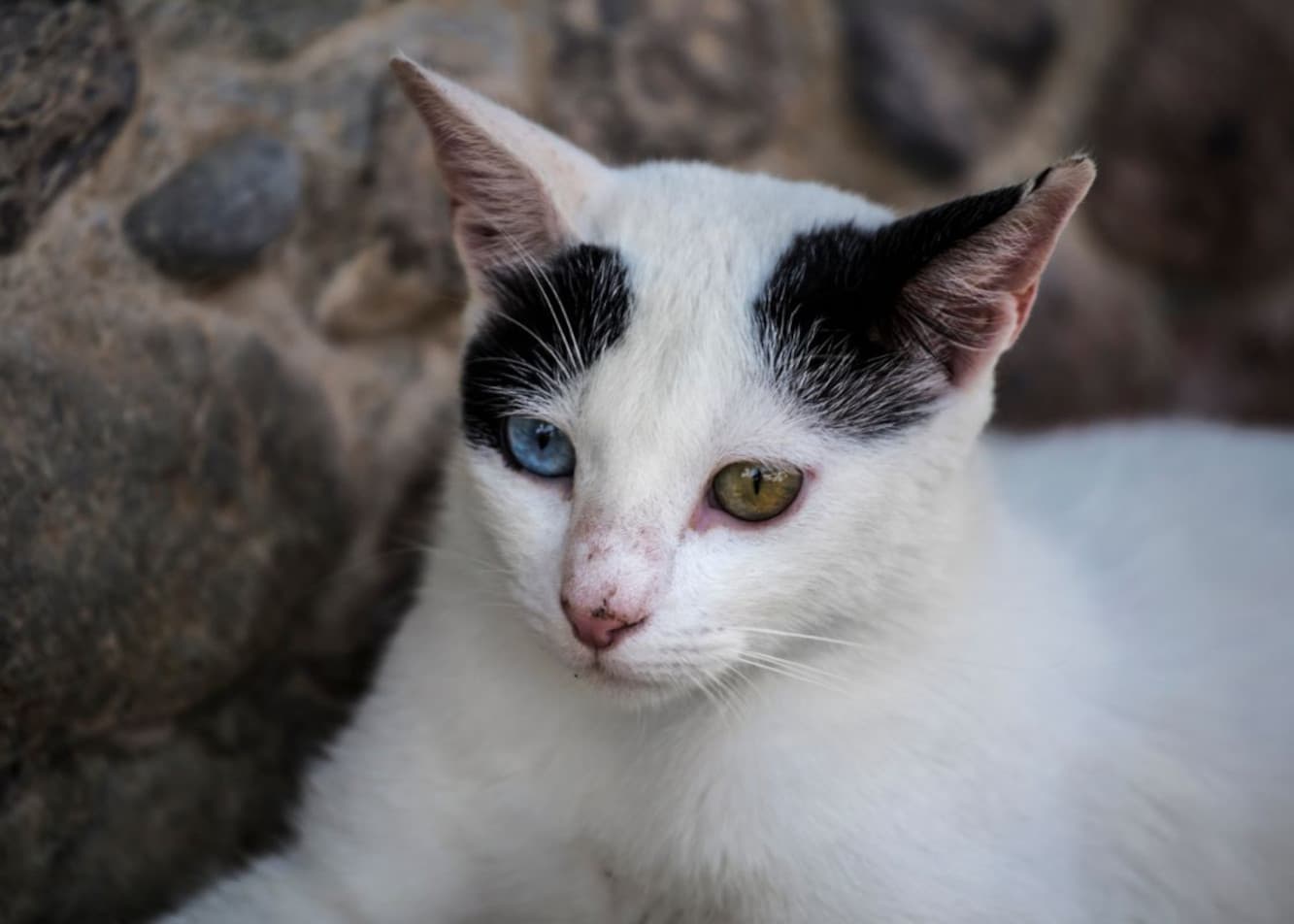
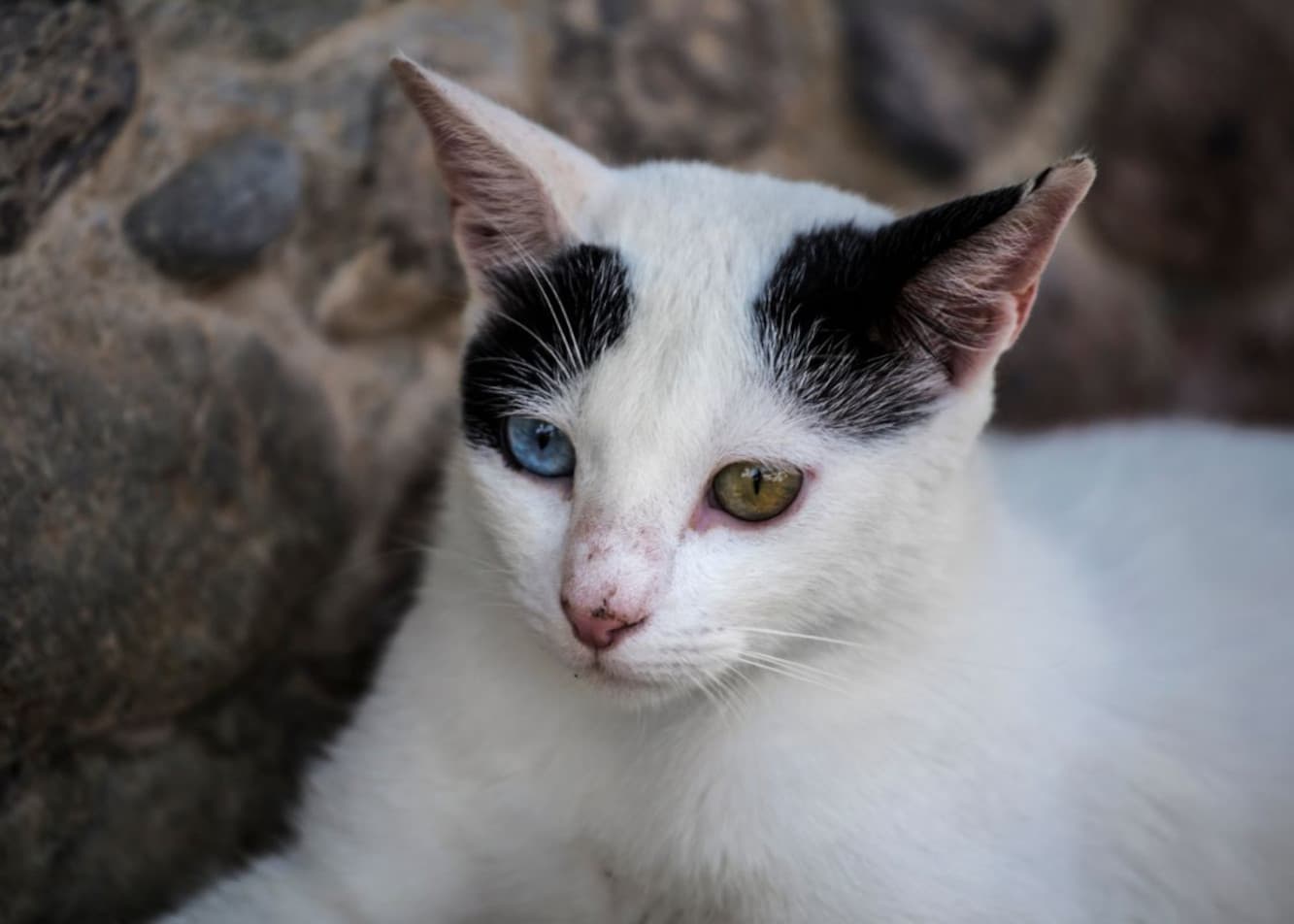
Have you ever seen a cat with one blue eye and one green eye??This phenomenon, known as heterochromia, is both fascinating and mysterious.Is this normal??Does it affect a cat's health??And why do some cats have such different eye colors??Let's dive into the world of feline heterochromia and put all doubts to rest.
What is heterochromia and what are its symptoms in cats??
Heterochromia literally means “different color” and refers to a difference in the color of the eyes, skin, or hair.When it comes to our feline friends, we use this term when one of a cat’s eyes is a different color from the other.One eye might be blue and the other green, but various combinations are possible.
A change in a cat's eye color, especially in young kittens, is often a normal part of development.Many kittens are born with blue eyes, which may change color as they mature.As a result, people often ask, "When do a cat's eyes change color?"?". A cat's eye color usually begins to change around 6–8 weeks of age and is typically fully developed by 3–4 months of age.
Variations in iris color – causes
Heterochromia in cats is usually the result of a genetic abnormality that does not adversely affect the cat's health.It is linked to the gene responsible for eye color, which varies depending on the cat's breed.
It is equally important to understand that heterochromia is not a disease.In fact, many people ask: Is heterochromia a medical condition??- The answer is no.It's simply a genetic variation in the cat that doesn't affect its health.
Types of heterochromia
Heterochromia in cats varies and can take many forms.There are three main types of heterochromia:
- Complete heterochromia – the most recognizable form, in which one eye is a different color than the other.For example, one eye might be blue and the other green.
- Sectoral heterochromia—occurs when one part of the iris is a different color than the rest.For example, part of the iris may be green, while the rest is blue.
- Central heterochromia—this form of heterochromia occurs when the center of the iris, around the pupil, is a different color than the outer part of the iris.For example, the center could be gold and the outer ring blue.
All of these types of heterochromia are natural and do not affect a cat’s health or quality of life.
Heterochromia and Deafness and White Coat in Cats
Have you ever noticed that heterochromia is more common in cats with white coats or those with predominantly white fur??This is definitely no coincidence.The gene responsible for white fur often blocks the distribution of melanin to the eyes, leading to variegated irises.
This gene, known as the white gene, is dominant, which means that even if only one of the cat’s parents is white, there is a chance that the kittens will also have white fur.Not all white cats have heterochromia.This gene has different "levels of expression," which means it can affect different cats in different ways.Some white cats may have normal eye color, while others may have heterochromia.
It is also worth noting that one in three cats with heterochromia is deaf or partially deaf on the side with the blue eye.This trait is also linked to a protein gene that affects not only the color of the cat’s coat and eyes, but also the internal structures of its ears.
Despite these unique characteristics, white cats with heterochromia lead normal, healthy lives.A proper diet—such as high-quality cat food ( )—regular visits to the vet, and attentive care from the owner are essential for their health.
Is heterochromia dangerous??
Is heterochromia dangerous??Definitely not.Most cats with heterochromia lead normal, healthy lives.However, owners of cats with heterochromia should remember to regularly useeye care products for their cats and monitor their appearance.Some cats may need cat supplements to help maintain eye health.
In summary, heterochromia in cats is a fascinating phenomenon that adds charm and uniqueness to our feline friends.A proper diet, such as high-quality cat food, and regular checkups at the vet will help ensure that our feline friend stays in good health.