Hairballs in Cats – Symptoms, Causes, and Effective Treatments
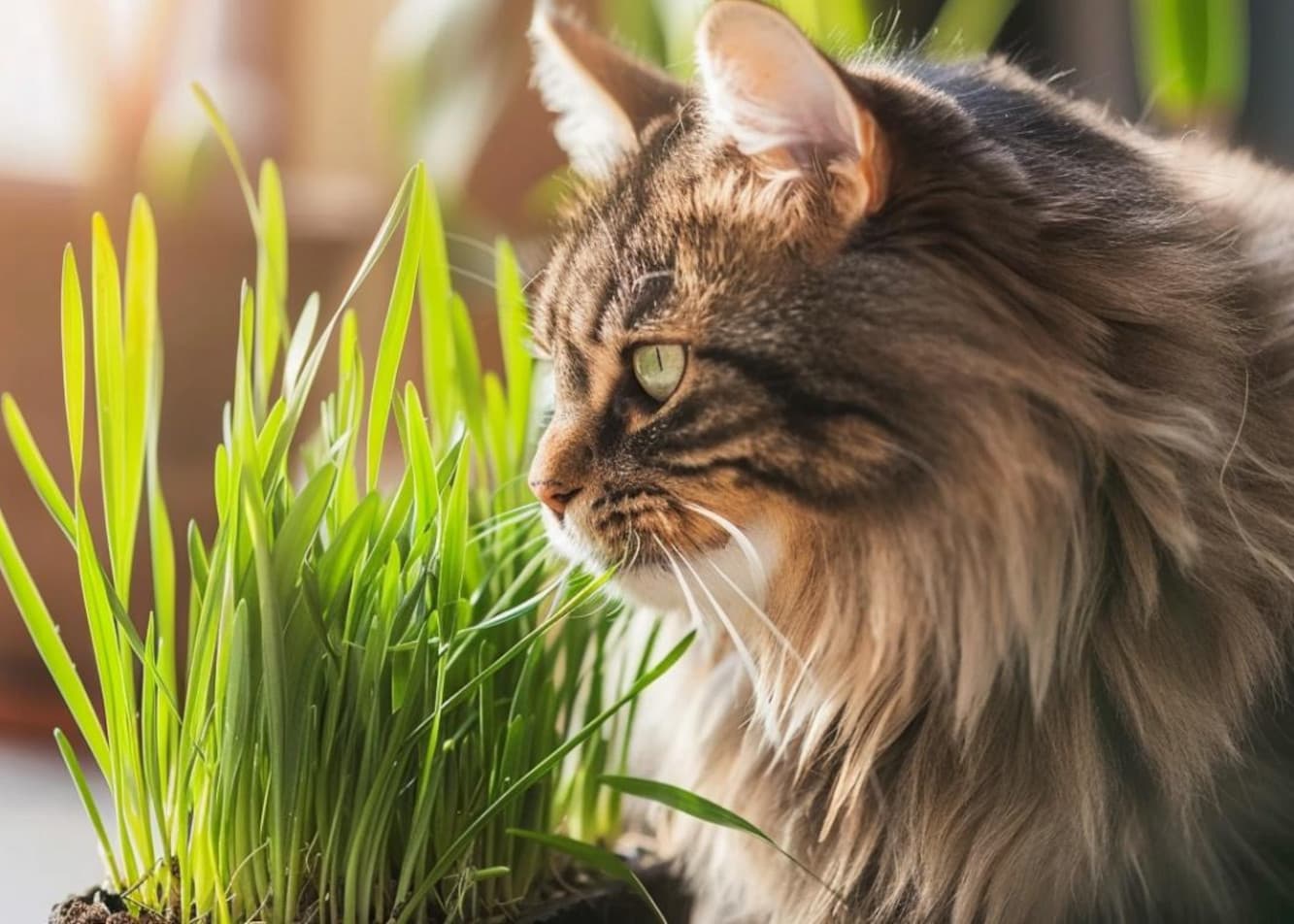
A common problem is hairballs in cats, which occur especially in long-haired and semi-long-haired breeds, but even cats with shorter coats can struggle with this issue.Hair swallowed during daily grooming is usually naturally eliminated from the body.However, when they accumulate in excessive amounts in the digestive tract, they can form hairballs that are difficult to pass, leading to digestive problems.Some animals then experience vomiting, constipation, lethargy, or loss of appetite.In extreme cases, this can even lead to intestinal obstruction, which poses a real threat to the cat's life.What symptoms should raise a caregiver's concern?What might be causing the problem, and when should you consult a veterinarian??
In this article, you’ll also find proven home remedies to help remove hair from the digestive tract, preventive measures, and products that can provide relief for your cat.Learn how to effectively ensure his well-being and minimize the risk of constipation.
What is hairballs in cats??How hair follicles form?
Hairballs in cats are a condition in which hairballs accumulate in the animal's digestive tract, that is, hairballs.They are caused by daily grooming—when a cat grooms itself, it swallows loose hair.They are usually passed in the stool, but if too many accumulate, they can get stuck in the stomach or intestines, causing an obstruction.
What are the symptoms of hairballs in cats??When should you be concerned??
The most common symptoms are:
- frequent retching or vomiting containing hair,
- loss of appetite and reduced activity,
- constipation or diarrhea,
- unusual behaviors, such as licking the floor or chewing on plants,
- coughing or gagging, as if the cat were trying to cough up a foreign object.
Symptoms may vary depending on the severity of the problem.If your cat hasn't had a bowel movement in several days, refuses to eat, or is vomiting persistently, you should consult a veterinarian.Untreated pilobezoars can lead to serious health complications.
The most common causes of hairballs in cats
Although natural grooming is the main cause of hairballs, there are a number of factors that can exacerbate the problem:
- long-haired cats – long-haired and semi-long-haired cat breeds (e.g., Persians, Maine Coons) are particularly at risk,
- lack of regular grooming – insufficient brushing of the coat increases the amount of hair swallowed,
- an improper diet – dry or poorly balanced food can make it difficult to pass pilobezoars,
- low fluid intake – insufficient fluid intake leads to hard stools and difficulty passing them,
- skin problems – e.g., itchy skin can lead to excessive licking and swallowing of fur,
- compulsive disorders – stress or other psychogenic factors can cause excessive grooming,
- shedding seasons – in the spring and fall, cats shed more hair, which increases the risk of hairballs,
- impaired intestinal motility – occurs more frequently in older animals, which can make it difficult to pass feces.
How to help your cat get rid of a hairball?Home remedies and professional solutions
If signs of choking are noticed, a caregiver can use several effective methods to provide assistance:
- hairball remedy – contains ingredients that help remove hairballs,
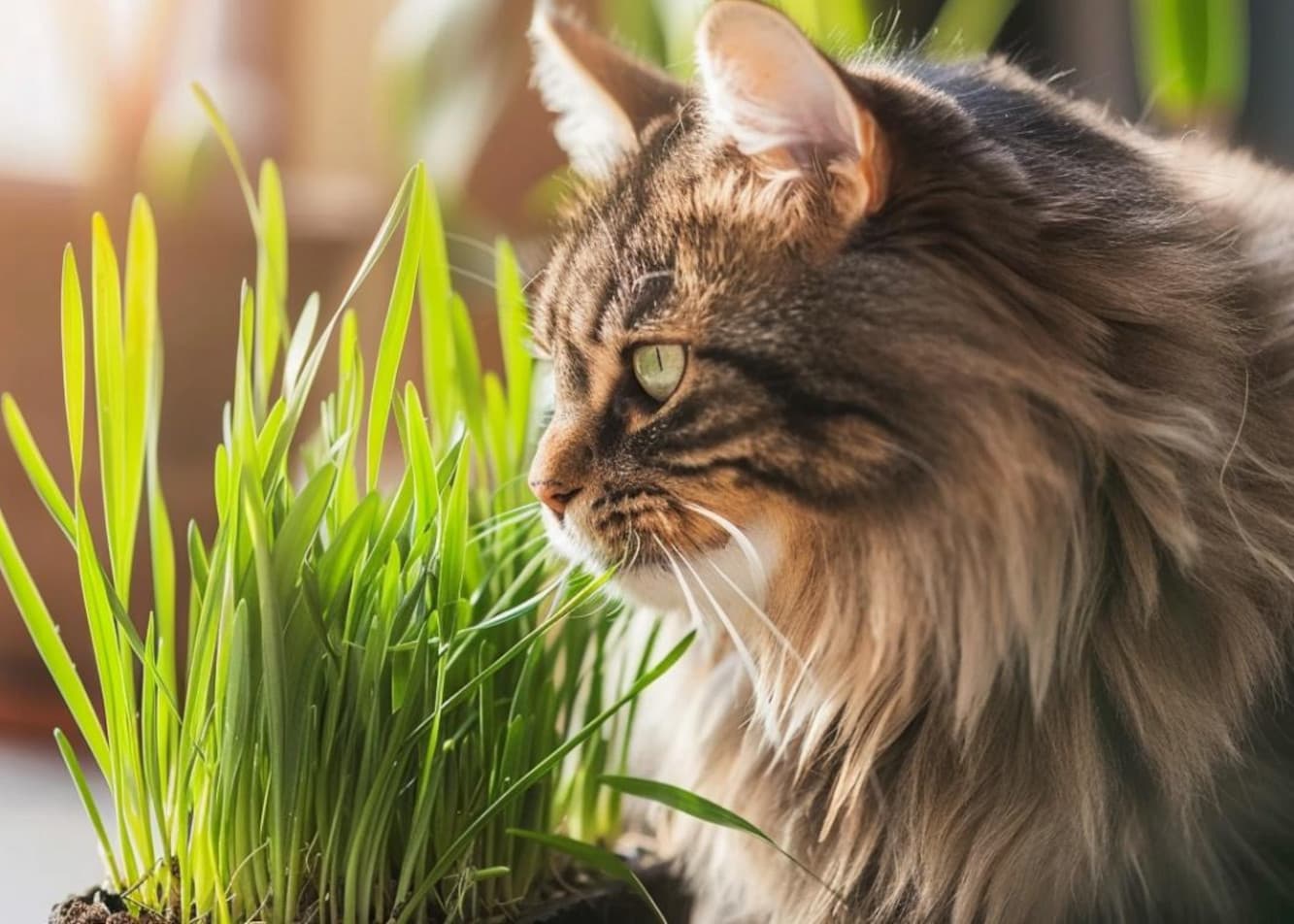
- cat grass or young cereal shoots – provide natural support for cleansing the digestive tract; ready-to-sow kits are available at pet stores,
- a balanced diet – it’s best to choose wet, high-meatcat foods that support digestion and help eliminate hairballs,
- Fish oil supplementation (Omega-3) – improves the condition of the skin and coat, which reduces shedding and supports intestinal health; if you don’t have a dedicated supplement, you can occasionally add a little butter or lard to the food (approx..(0.5–1 level teaspoon).
Treatment for hairballs should be based on methods that support the natural elimination of hairballs and prevent their reformation.If symptoms persist, always consult your veterinarian.
Here's what you need to know!
It is often believed that giving a cat paraffin oil by mouth can prevent hairballs.You absolutely must not do this! Improper administration can cause aspiration, which may lead to aspiration pneumonia or even death.Even if a cat swallows the oil properly, the coating that forms in the intestines impairs nutrient absorption—this effect can last up to three months.
How to Prevent Clogging?Prevention and a healthy diet
Hairballs are a common problem in cats, especially those with long or thick fur, who swallow large amounts of fur during their daily grooming.Hair that remains in the digestive tract can lead to digestive problems and, in extreme cases, to serious health complications.That is why prevention is so important—it includes proper care, a well-balanced diet, and regular visits to the veterinarian.
Here are a few effective ways to prevent tangling:
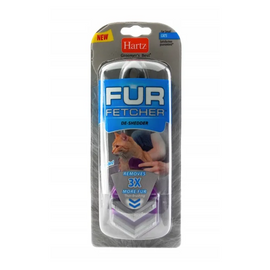
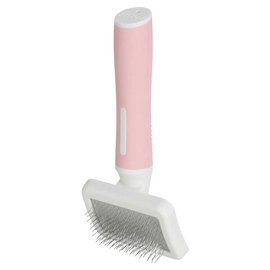
- Regular brushing – daily brushing for long-haired cats and at least once a week for short-haired cats.It’s a good idea to get the right brushes for your dog’s coat type.
- A wet, balanced diet – to prevent hairballs, it is recommended to limit dry food and replace it with high-meat, well-balanced wet food, which supports digestion and promotes healthy skin and coat, thereby reducing shedding.
- Cat grass and hairball remedies – help naturally remove swallowed hair from the digestive tract.
- Occasional baths using appropriate products – it’s worth discussing the need to bathe your cat with an experienced groomer, who can advise on the safest options.
- Regular checkups with a veterinarian – Preventive checkups help detect early signs of digestive problems and prevent more serious complications.
With the right grooming and dietary habits, you can effectively support your cat’s digestive health and minimize the risk of hairballs.
What to avoid?
Don’t be fooled by the “magical properties” of hairball remedies.Many of these are processed foods, which, due to their composition, can worsen the body’s overall condition and contribute to metabolic dehydration—thereby exacerbating the problem rather than solving it.Using them may do more harm than good.
When to see a veterinarian?Possible complications
Although a miscarriage is usually not serious, in some cases it can lead to serious consequences, such as:
- intestinal obstruction requiring surgery,
- severe dehydration and physical weakness,
- persistent vomiting and an inability to have a bowel movement.
If you notice any concerning symptoms in your pet, don’t wait—consult your veterinarian as soon as possible.
Hairballs in cats are a common problem that can be effectively reduced with proper prevention.Regular grooming, a well-balanced diet, and close observation of the animal’s behavior are key to maintaining its health.However, if you notice any concerning symptoms—such as persistent vomiting, loss of appetite, or difficulty defecating—don’t delay in seeing a veterinarian.