Giardiasis in Cats — Symptoms, Diagnosis, and Treatment
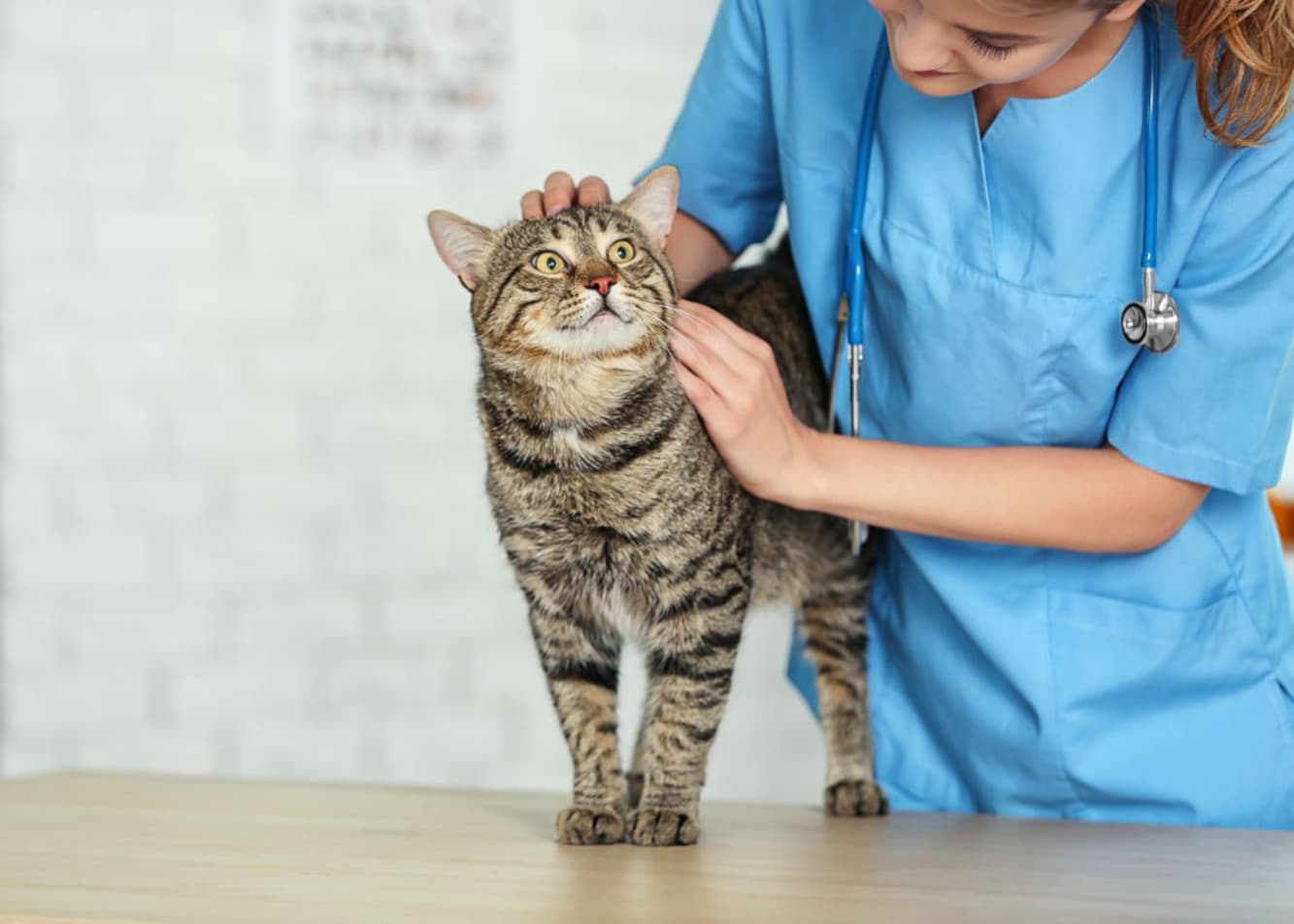
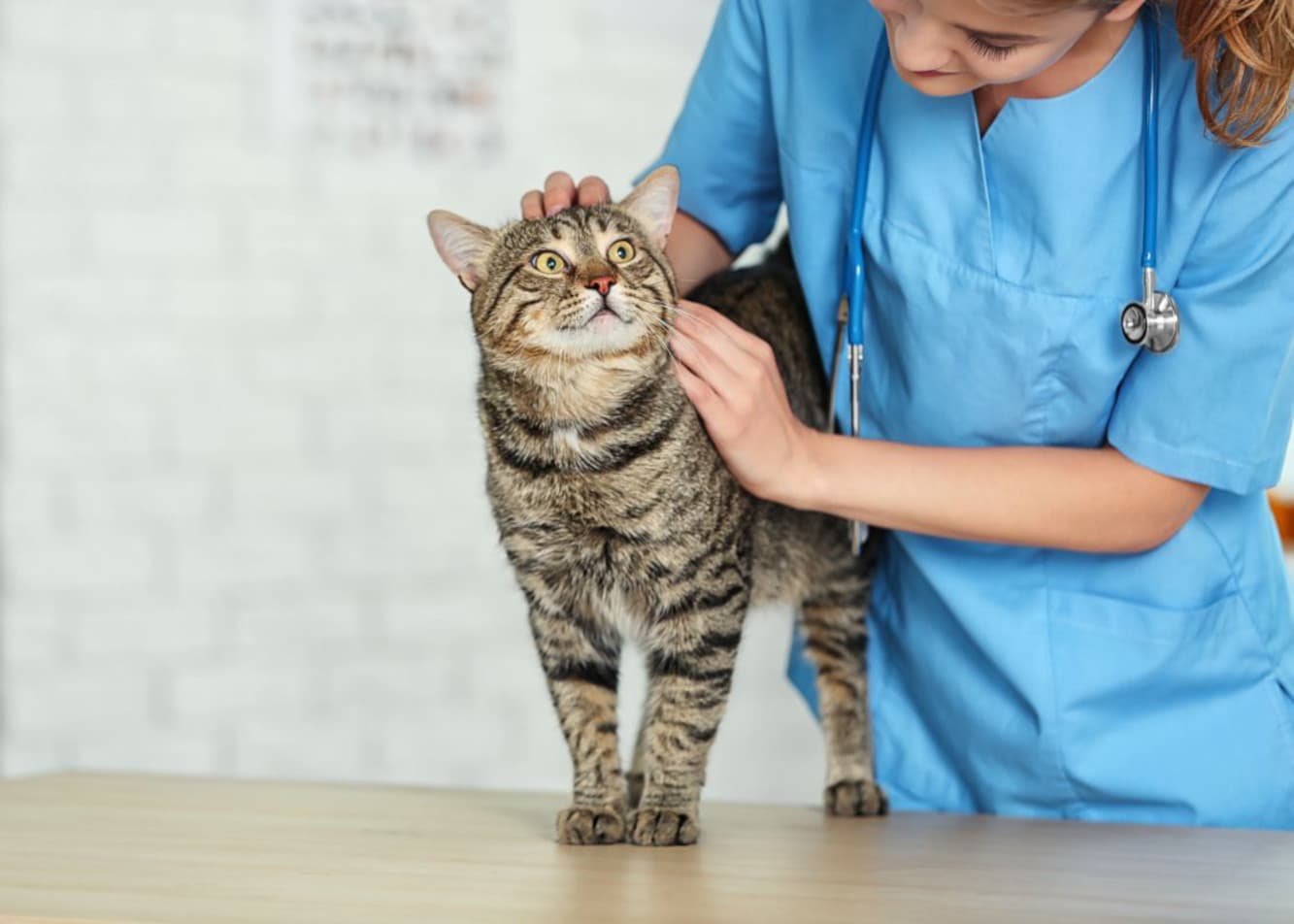
Giardiasis in cats is a disease caused by parasites that can seriously harm the health of our four-legged friends.To fully understand this disease, it is necessary to examine its causes, symptoms, and methods of diagnosis and treatment.Understanding giardiasis in cats is essential for every pet owner to ensure their pet receives the best possible care.
Gardia in cats — what is this disease??
Giardia in cats is an intestinal parasite that can infect cats, leading to giardiasis—a disease primarily characterized by gastrointestinal problems.These parasites are particularly dangerous for young, weakened, and older cats, although healthy adult cats can also fall victim to them.
Is Giardia dangerous for cats??
Yes, giardiasis in cats can lead to serious health problems, including chronic diarrhea, dehydration, and even weight loss.In severe cases, untreated giardiasis can be life-threatening for a cat.Furthermore, Giardia in cats also has zoonotic potential, meaning it can be transmitted to humans, which underscores the importance of proper prevention and treatment.
What causes heartworm disease in cats??
Giardiasis in cats is usually caused by ingesting contaminated water or food.Parasites can also be transmitted through direct contact with infected animals or their secretions.Proper hygiene and keeping the cat's living environment clean are key to preventing giardiasis.Regularly disinfectingyour cat's food bowl can significantly reduce the risk of infection.
What are the most common symptoms of gardiasis in cats??
Giardia in cats can cause a number of unpleasant symptoms, including chronic diarrhea (sometimes with blood), loss of appetite, bloating, and general weakness.If you notice these symptoms in your cat, it is essential to consult a veterinarian as soon as possible.
How to recognize giardia in cats?Diagnosis
Diagnosing giardiasis in a cat requires testing the cat's feces for the presence of Giardia cysts.It is often necessary to perform several tests to confirm the diagnosis, since parasites are not always expelled from the cat’s body.Diagnostic support may also include a blood test to assess the cat’s overall health.
Giardiasis in cats: treatment
Treating giardiasis in cats requires the use of appropriate antiparasitic medications, which a veterinarian can prescribe after making a diagnosis.It’s also important to support your cat’s diet by providing easily digestible food, such as the cat food available at and, which will help restore its digestive system.In addition, it is essential to thoroughly disinfect the animal’s surroundings, including its bedding, toys, and litter boxes, to prevent reinfection.
Managing giardiasis in cats requires a comprehensive approach that includes veterinary treatment, an appropriate diet, and strict hygiene procedures.Be sure to visit the vet regularly and follow their advice to ensure your cat makes a quick recovery.In addition,vitamins and supplements for cats can aid in the healing process by providing essential nutrients to support your cat’s immune system.
What are the chances of successfully treating giardiasis in a cat??
Treating giardiasis in cats can be complicated and time-consuming, but with the right treatment, the chances of a full recovery are high.Early diagnosis and prompt treatment are crucial; treatment typically involves the administration of antiparasitic drugs such as metronidazole or fenbendazole.Proper care and nutritional support are also important, as they help the cat’s damaged digestive system recover.
Can you get giardia from a cat??
Giardia lamblia in cats can also pose a risk to humans, especially children, the elderly, and people with weakened immune systems.Giardia is transmitted from cats to humans through contact with contaminated cat feces, which underscores the importance of maintaining good hygiene in areas where animals live.So, can you get giardia from a cat??Unfortunately, yes, but regular cleaning and disinfection of the environment are key to preventing the spread of infection.
How to Prevent Giardiasis in Cats?
Preventing giardiasis mainly involves maintaining good hygiene and regularly monitoring your cat's health.Here are a few key tips.
- Environmental disinfection — regularly cleaning and disinfecting litter boxes, sleeping areas, toys, and other cat accessories can significantly reduce the risk of Giardia infection.Special cat accessories are available at and to help you keep your home clean and hygienic.
- Clean water and food — ensuring your cat always has access to fresh water and feeding it high-quality food is essential.Contaminated water is one of the main sources of Giardia infection.
- Regular visits to the vet—including routine health checkups and fecal tests—can help detect and treat giardiasis early, before more serious symptoms develop.How long does it take to treat giardia in a cat??The duration varies greatly from person to person.
- Limit contact with potentially infected animals — if possible, keep your cat away from wild or stray animals that may carry Giardia.
Giardia in cats requires a thoughtful approach and responsibility on the part of owners.Early diagnosis, effective treatment, and strict adherence to hygiene guidelines are key to combating this disease.By keeping these guidelines in mind, we can significantly reduce the risk of giardiasis, ensuring our cats live long and healthy lives.
Recommended

Piper Animals Sterilised Mix Wet Cat Food for Spayed and Neutered Cats, 10 x 100 g