First-aid kit for dogs – what should it contain?
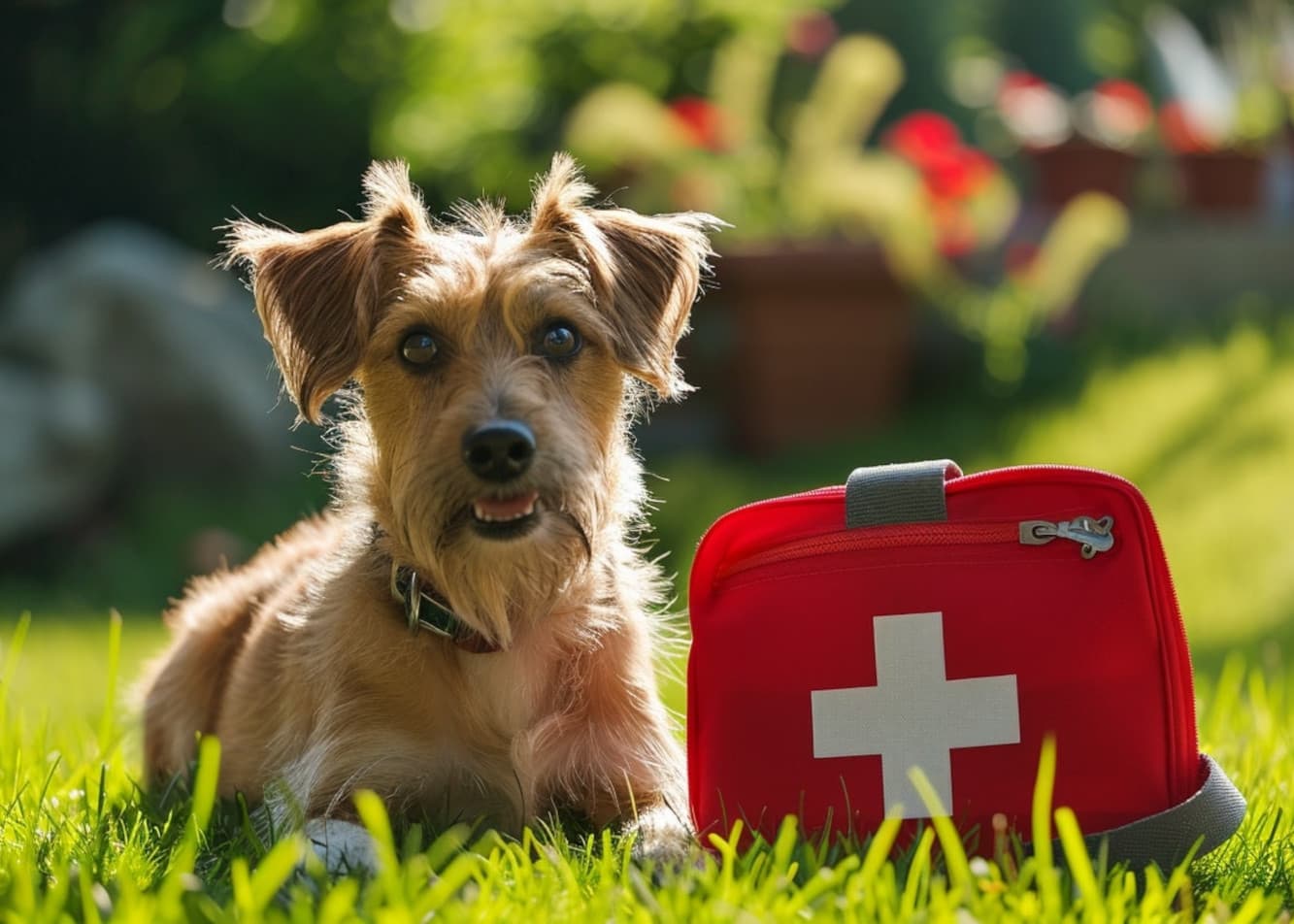
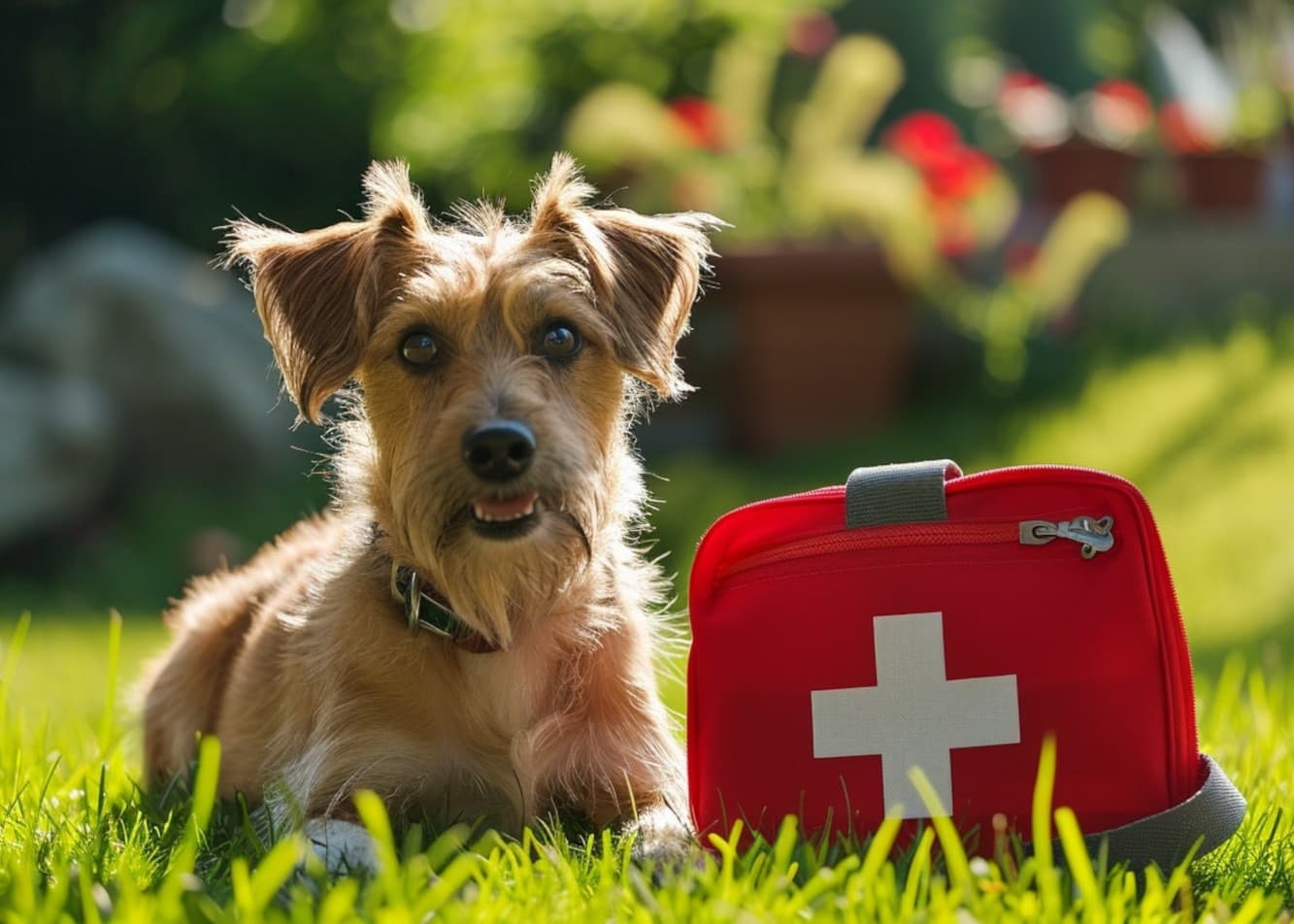
When it comes to our dog’s health, we think not only about their daily diet, walks, and playtime, but also about situations that are hard to predict.All it takes is a moment of inattention—a sudden cut on the paw, an allergic reaction after contact with a plant, or poisoning from something found in the bushes.That’s when the pet owner’s quick thinking comes into play, and whether they have everything they need on hand to help their pet before they get to the vet.
How well prepared we are often depends not on experience, but on awareness and responsibility.We're not talking about complicated medical procedures here.We’re talking about something simple yet essential—a practical kit that can be kept in every home, car, or backpack when traveling with your dog.A kit like this can be a valuable resource in all sorts of situations—and you don’t have to wait for something to happen before you think about it.What should be included in it?More on that in a moment.
Table of Contents:
- Why You Should Have a First-Aid Kit for Your Dog?Emergencies
- Essential items for a dog first-aid kit - a list of must-haves
- Medications and supplies for a dog's first-aid kit—what might come in handy?
- Bandages and medical supplies in a dog first-aid kit
Why You Should Have a First-Aid Kit for Your Dog?Emergencies
A first-aid kit for dogs isn't just an accessory reserved exclusively for trips or active pet owners.This provides real-world support in situations that can happen to anyone—whether at home, in the woods, at the lake, or on a walk in the city.Cuts, sudden stomach pain, allergic reactions, insect bites, heat exhaustion, and even shock—each of these situations requires an immediate response.
A dog's first-aid kit should be kept in an easily accessible, dry place, away from direct sunlight and moisture. The optimal storage temperature for most medical products and dressings is between 15 and 25°C—this ensures that they retain their properties throughout their shelf life.On the other hand, a first-aid kit for dogs taken on outdoor vacations should be stored in a sealed, compact container that is resistant to dirt and temperature fluctuations.It’s also a good idea to regularly check the expiration dates and condition of the individual items in the set.
Essential items for a dog first-aid kit - a list of must-haves
A well-stocked first-aid kit for dogs should include a selection of general-purpose supplies and accessories that will allow you to quickly assist your pet in common situations.Below is a list of the most important items that should be included in a dog’s first-aid kit:
- sterile gauze pads and compresses for stopping bleeding and cleaning wounds;
- elastic bandage and adhesive bandage for immobilizing paws and securing dressings;
- scissors with rounded tips and tweezers;
- digital thermometer for measuring body temperature;
- an alcohol-free disinfectant, such as one containing octenidine;
- saline solution for rinsing the eyes or wounds;
- disposable gloves and a mask;
- a thermal blanket, which can help in cases of hypothermia or shock;
- extra portions of food and bottled water with a travel bowl;
- first aid instructions and the contact number for the nearest veterinary clinic.
While a first-aid kit for dogs can make providing first aid much easier, it’s important to note that using it should not replace professional medical care.Its sole purpose is to stabilize the pet’s condition until veterinary care can be provided.
Medications and supplies for a dog's first-aid kit—what might come in handy?
Every well-stocked dog first-aid kit should include space for medications and other products; however, it’s important to remember that not all of these should be administered without consulting a veterinarian.That is why it is important to distinguish between OTC medications (i.e., those available without a prescription) and those that require a prior recommendation from a specialist.
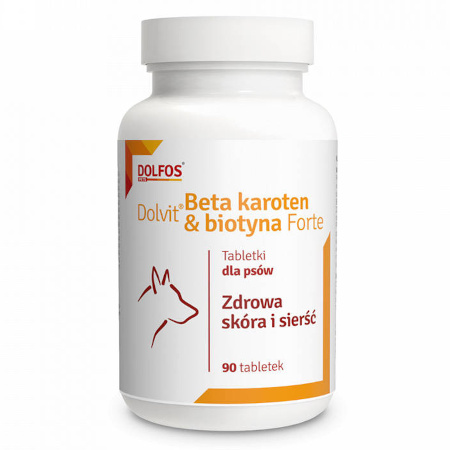
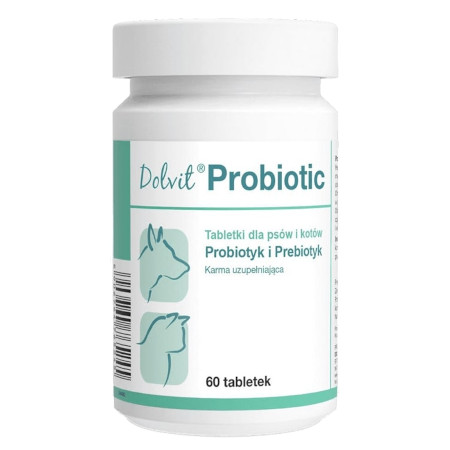
The most commonly used OTC products include vitamins and supplements for dogs (activated charcoal, probiotics), wound-healing ointments, cooling gels, anti-diarrheal medications for dogs, rehydration electrolytes, and natural herbal-based calming drops.
On the other hand, prescription medications for dogs can only be included in the first-aid kit after a consultation with a veterinarian. The dosage of such medications must be strictly adjusted to the dog's weight, age, and health condition.In small-breed dogs, too high a dose can lead to poisoning, while in large-breed dogs, too low a dose may prove ineffective, prolonging the recovery time.Importantly, even vitamin supplements or anti-diarrheal medications should be selected based on body weight, and sometimes also on activity level or breed-specific predispositions.

Bandages and medical supplies in a dog first-aid kit
Bandages and basic medical supplies are the most essential items in any dog first-aid kit—they ensure that first aid can be administered immediately if your dog is injured, bleeding, or shows signs of infection.Their presence allows for quick treatment of the injury and protection against further deterioration of the patient's condition.
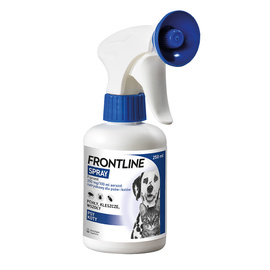
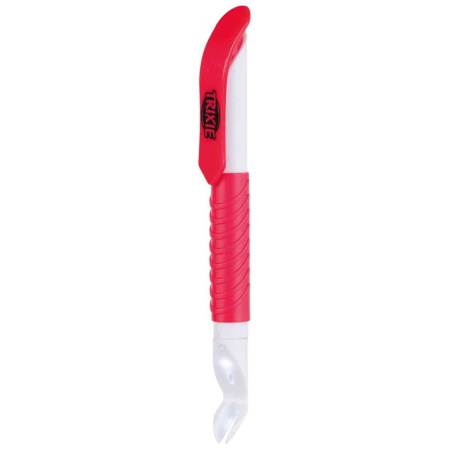
Equally important are tools that allow you to work precisely and safely, without causing your pet any additional stress.It’s also important to be aware of the risk posed by external parasites and to keep tick treatments for dogs on hand , especially if you often walk in the woods or meadows. A tick bite can lead to serious illnesses, so it is crucial to remove the tick quickly with tweezers and disinfect the affected area.The right materials and equipment not only help ensure a quick response, but also provide real assistance while waiting for veterinary consultation.
From our article, you already know, among other things, how to put together a first-aid kit for your dog.This is an essential part of responsible pet care—both at home and when traveling.A first-aid kit for dogs allows you to respond quickly in emergencies, minimizing the risk of complications before seeing a veterinarian.Its content should be tailored to the dog's needs, taking into account its size, lifestyle, and health.Regularly checking the contents of your first-aid kit and consulting with a specialist are simple ways to effectively support your four-legged friend’s health.
Recommended
Fiprex Spray for Dogs and Cats Against Fleas and Ticks, 100 ml

Fypryst Flea and Tick Aerosol/Spray for Dogs and Cats, 100 ml