Fat: Types and Its Role in a Dog's Diet
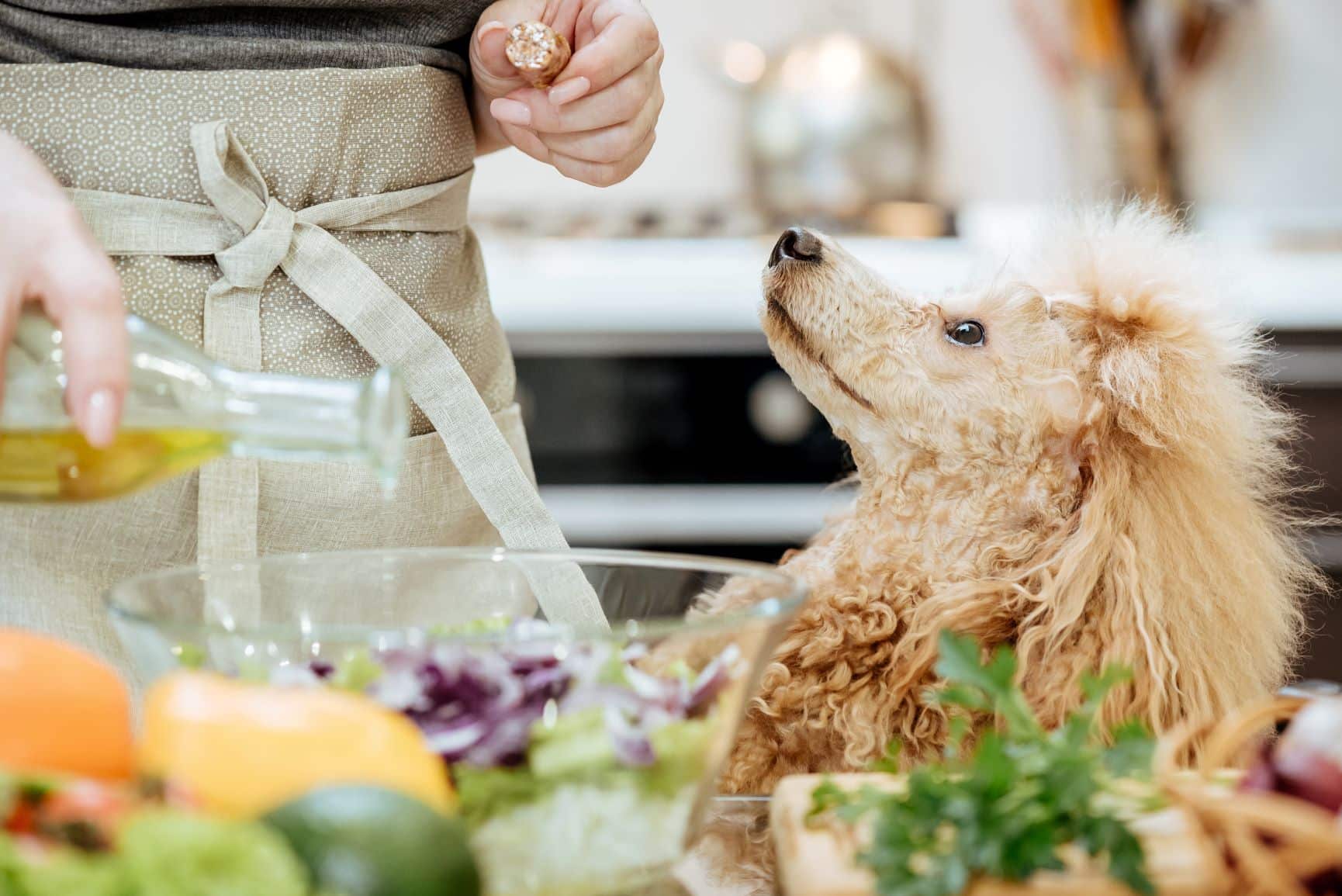
What are fats??
Fats are esters of the polyhydric alcohol glycerol and fatty acids (preferably unsaturated, from a nutritional standpoint).Fats are primarily a source of energy.Without them, it is also impossible to absorb the fat-soluble vitamins found in food (vitamins A, D, E, and K).However, how the fat in food is utilized depends on the animal’s nutritional status and physical activity—it will either be directly converted into energy or stored as body fat.Fat is the most energy-dense component of the diet and provides twice as much energy as carbohydrates and protein; on the other hand, excessive amounts of fat in the diet are a sure path to obesity.
Sources of fat in a dog's diet
In a dog's diet, the source of fat should be meat and animal-based products containing more than 20% fat.It is also important to remember that very often, the foods that are a source of protein also provide fat.It also happens that a product marketed as a source of protein contains more fat than protein.This is the case with certain cuts of beef: short ribs, chuck.Fish, liver, kidneys, hearts, skin-on chicken, whole eggs, and pork tenderloin contain less fat than protein.Despite the lower fat content in the in dog foods based on these ingredients, there is no need to add a special source of fat.Vegetable oils are added solely to meet the dog’s need for essential fatty acids vegetable oils (canola, flaxseed, organic oils) or fish oil.
Fat is one of the main components of a dog’s diet that determines its palatability—most natural flavor compounds dissolve better in it, which is why dog owners, in an effort to improve the palatability of homemade food, add larger amounts of fat to it.Unfortunately, a higher content of this nutrient in the diet also means a greater likelihood of unintentionally exceeding the daily energy intake and the associated risk of overweight and obesity.On the other hand, dogs love fatty foods, which is why most dog treats contain very large amounts of it.If we give our dog these treats, we need to remember that they are also a source of energy.This is very important because, in the diet of very small dogs (such as Yorkshire terriers), treats can provide up to 50% of their energy.If such a dog is also fed a normal portion of food, it will certainly start to gain weight.
The Importance of Free Fatty Acids
Apart from their energy content, another component found in both animal fats and vegetable oils should be considered, namely free fatty acids.They perform very important functions in the body—they are components of cell membranes and serve as a basic building block.Therefore, a deficiency in these nutrients disrupts cellular function, which can manifest as, for example: impaired wound healing, flaky skin, a dull coat, and increased susceptibility to various types of skin infections resulting from a weakened protective barrier on the skin’s surface.
A specific type of fatty acids—namely polyunsaturated fatty acids (PUFAs), known as those of the n-3 and n-6 families (the terms omega-3 and omega-6 should not be used).These acids must be obtained from food, as a dog's body cannot produce them on its own.They perform many beneficial functions in animal organisms, which is why they are often referred to as essential acids.Advances in nutritional science in recent years have shed light on new functions of polyunsaturated fatty acids.It has been proven that they are essential for the development of the brain and nervous system in young mammals, ensure proper vision, protect against kidney and heart disease, and have significant anti-inflammatory effects.As a result, these acids are included in the formulation of food for young mammals, as they are just as essential as protein and vitamins.
Recommended