Facts and Myths About Grain-Free Dog Food. Aren't grains in a dog's diet unhealthy for them??
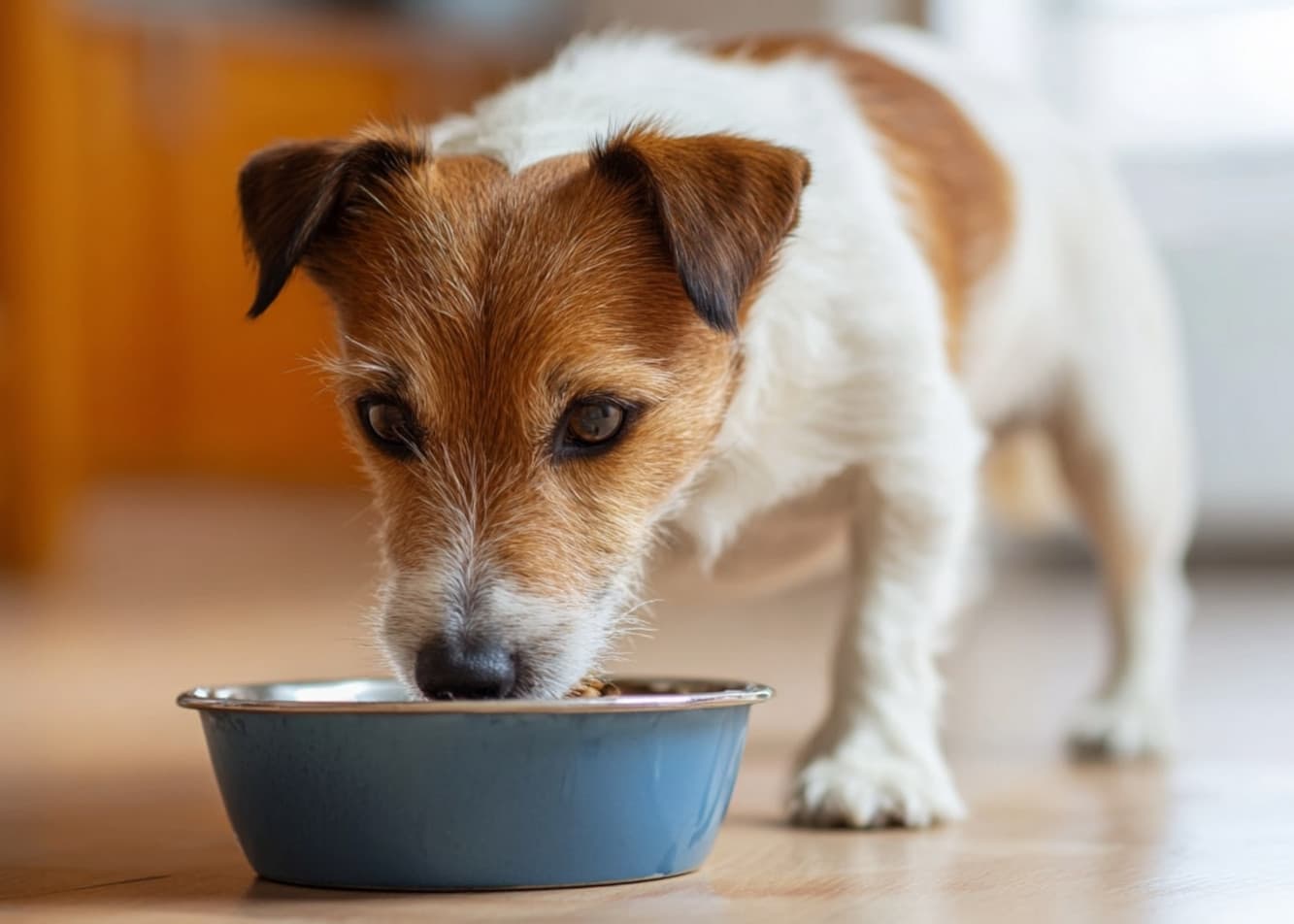
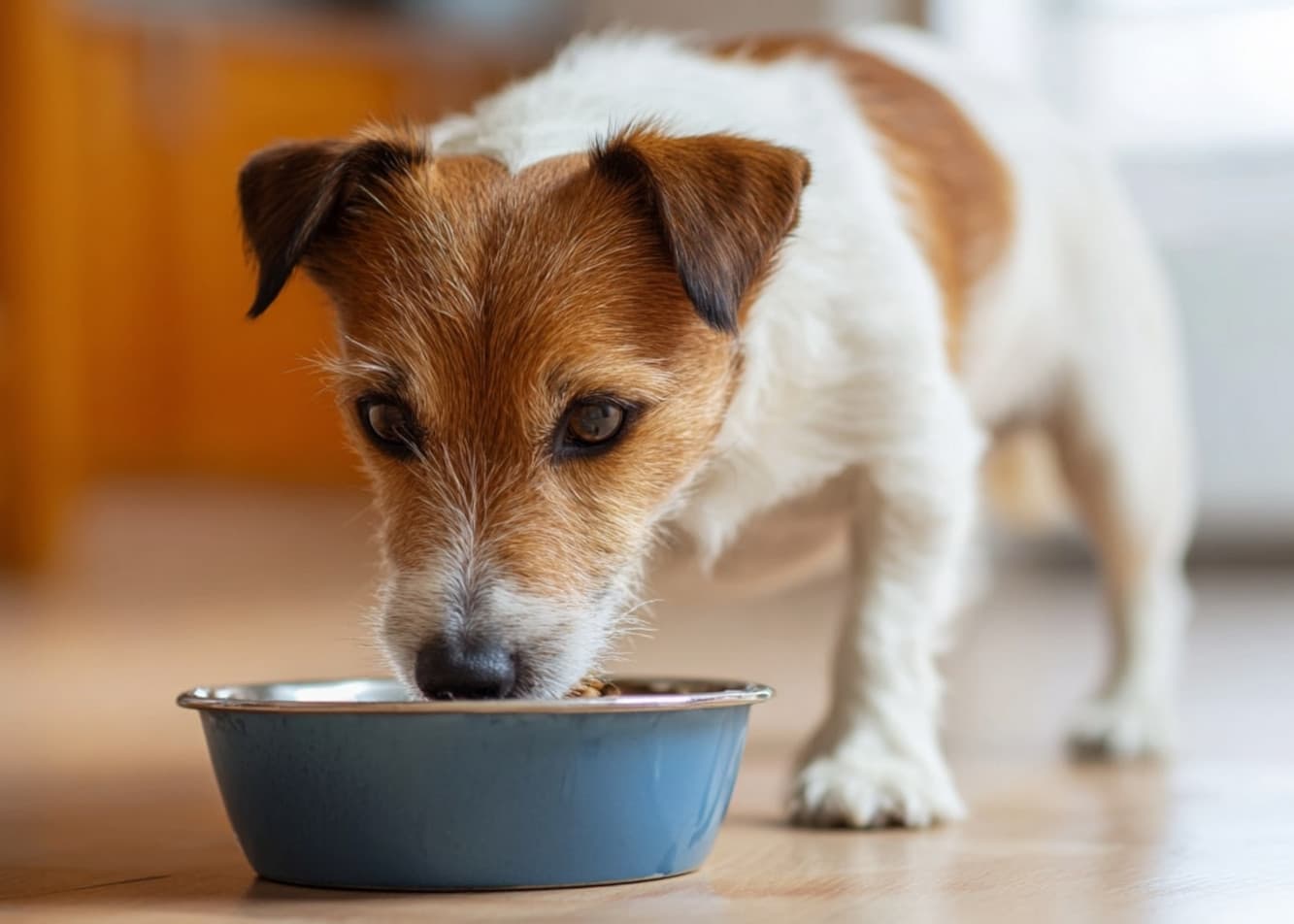
Conscientious pet owners are increasingly scrutinizing the ingredients in pet food out of concern for their pets' health.In this context, the question of whether dogs should eat grains becomes increasingly important, as does the question of whether eliminating them is a genuine health necessity or merely the result of marketing narratives.The growing popularity of grain-free diets does not always go hand in hand with reliable information, and many myths and oversimplifications have arisen around the topic, which can lead to poor decisions.
There is no shortage of opinions that grain-free dog food is a one-size-fits-all solution, perfect for every dog.Meanwhile, studies show that true grain allergies in dogs are relatively rare, and animal proteins are more often the source of intolerance.So how should you go about choosing the right food??In this article, you'll find a balanced analysis that will help you make a decision based not on trends, but on facts and your dog's actual needs.
Table of Contents:
- What exactly is grain-free dog food??Definition and composition
- Why have grain-free dog foods become so popular??
- Facts – When Grain-Free Dog Food Really Helps Your Dog?
- Myths – Is all grain-based dog food bad for dogs??
- What do manufacturers use to replace grains in grain-free pet foods??
What exactly is grain-free dog food??Definition and composition
Grain-free pet foods are products that exclude traditional grains such as wheat, barley, and corn.They are replaced in the recipe by other sources of carbohydrates—most commonly potatoes, peas, sweet potatoes, or legumes.
These types of products do not contain grains, but they still provide energy from carbohydrates, which are essential for the proper functioning of a dog’s body.However, this doesn't mean they're automatically healthier—it all depends on the quality of the ingredients used and the specific needs of your pet.
Why have grain-free dog foods become so popular??
The growing interest in grain-free diets among dog owners stems from a desire to improve the quality of their pets' food and the belief that eliminating grains reduces the risk of food allergies.Many people have come to view this ingredient as unnecessary baggage—cheap, of little value, and hard to digest.
This rise in popularity was also driven by compelling advertising campaigns that, by referencing the natural diet of dogs’ ancestors, reinforced the image of a diet based almost exclusively on meat. As a result, grain-free dog food began to be seen as a premium option, automatically associated with a pet’s health and well-being.
In reality, whether a dog should eat grains should be determined on a case-by-case basis—taking into account its health, activity level, and reaction to specific ingredients—rather than based on popular stereotypes and oversimplifications.
Facts – When Grain-Free Dog Food Really Helps Your Dog?
A grain-free diet is primarily used in cases where hypersensitivity to cereal proteins has been confirmed.Studies indicate that grain allergies in dogs affect only about 1% of the population, which means that in most animals, symptoms of intolerance stem from other causes, such as animal proteins.
In cases of true hypersensitivity, eliminating specific ingredients leads to a noticeable improvement—skin lesions subside, itching decreases, and gastrointestinal function stabilizes.Grain-free dog food can also be beneficial during recovery, when the digestive system needs extra support.
Here are some situations in which such a diet can be beneficial:
- in cases of diagnosed gluten intolerance or intolerance to specific grains,
- in dogs suffering from chronic intestinal problems,
- when a veterinarian recommends its use based on the results of diagnostic tests.
It is worth remembering, however, that for most dogs, properly selected and processed grain ingredients are easily digestible.Therefore, before deciding whether your dog can eat grains, it’s a good idea to consult a professional and determine which grains are suitable for your dog in terms of quality and how well your dog’s body tolerates them.
Myths – Is all grain-based dog food bad for dogs??
The widespread belief that all grains are harmful to dogs stems from oversimplifications and misconceptions.However, it is important to clearly distinguish between cheap fillers with no nutritional value and high-quality grains—such as oats, rice, and barley—which can be a valuable source of fiber and vitamins.
Thanks to their ability to digest starch, many dogs can digest grains without any difficulty, and some of them support the proper functioning of the digestive system.Therefore, the question of whether grains are healthy for dogs is supported by research, provided that the choice of food is based on a thorough analysis of the ingredients rather than advertising claims.
The most common myths that need to be debunked:
- “Dogs are carnivores; they shouldn’t eat grains” – in reality, dogs are omnivores and their digestive system is adapted to digesting carbohydrates;
- “Grains are just cheap fillers” – whole grains provide dietary fiber, antioxidants, B vitamins, and support digestive health;
- “Every dog is gluten-intolerant” – only a small percentage of dogs react negatively to gluten, and many grains (e.g., rice) do not contain it at all.
It is therefore important to carefully examine the ingredients in pet food and avoid making sweeping generalizations.While grain-free dog food has its place, it shouldn't be considered the only right dietary choice for every dog.
What do manufacturers use to replace grains in grain-free pet foods??
In grain-free diets, grains are replaced with various ingredients designed to provide energy and fiber.The most commonly used are:
- potatoes (a source of carbohydrates and potassium),
- sweet potatoes (rich in fiber and vitamins A, C, and B6),
- peas and lentils (legumes containing plant protein),
- tapioca and chickpeas (sources of easily digestible starch).
Each of these options has its advantages, but also its limitations—too many legumes can cause bloating, and too many potatoes reduce the nutritional value of the food.
When choosing grain-free dog food, it’s important to look not only for the absence of grains, but above all for the quality of the other ingredients—animal protein, fat, and the inclusion of vegetables and fruits.
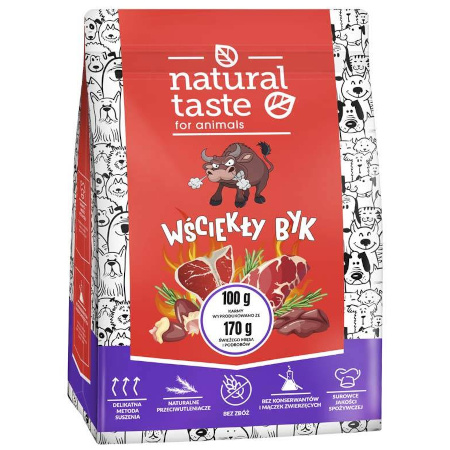
The answer to the question of whether dogs should eat grains is not clear-cut.For most healthy dogs, high-quality grains pose no risk and may even support digestive health.Excluding grains makes sense only in medically justified cases.
When choosing dog food, it’s best to focus not on trends, but on the ingredients and the specific needs of your dog.A well-considered decision based on knowledge, consultation with a veterinarian, and observation of the animal is the best way to ensure it receives a healthy, balanced diet.
Don't be guided by myths—be guided by knowledge.Choose wisely.