
Eye problems in cats – what should you do?
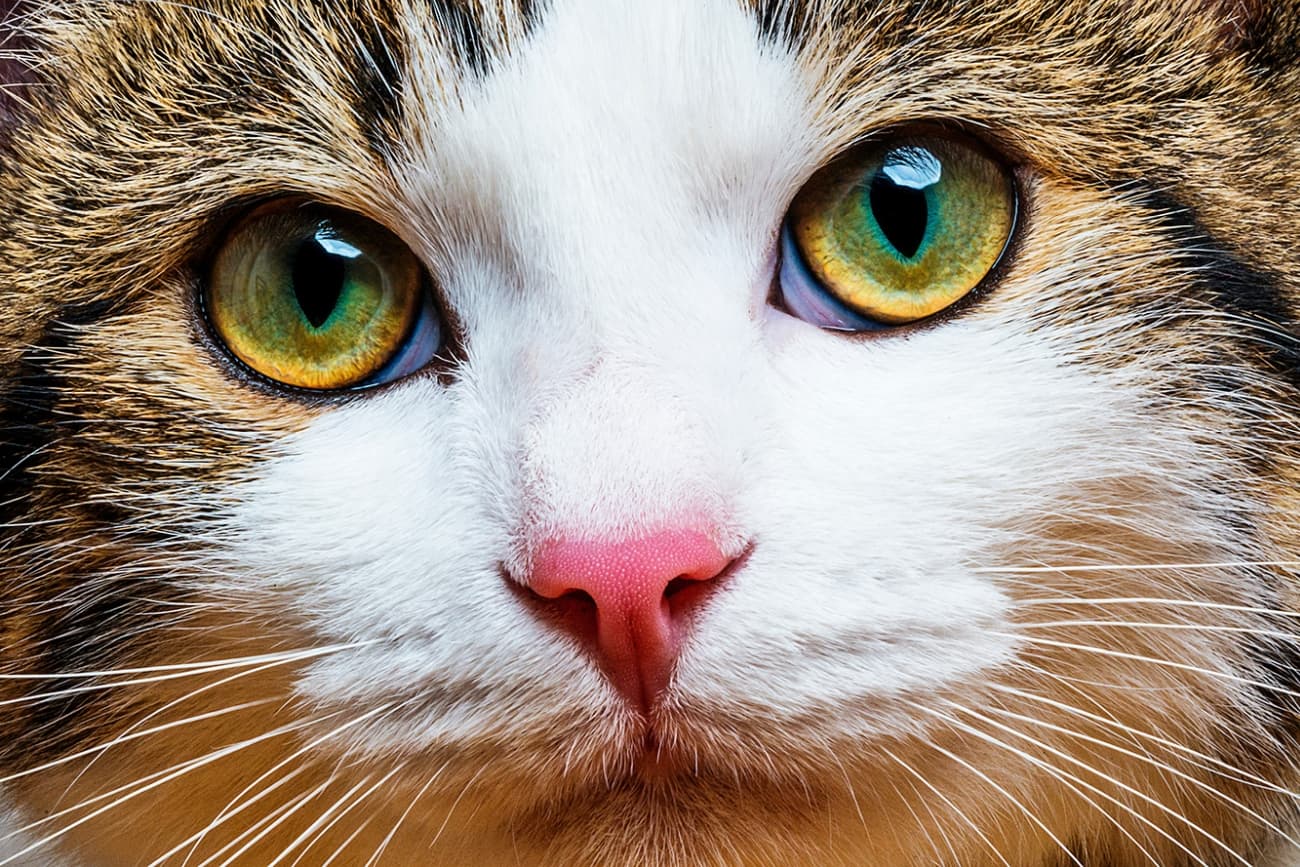
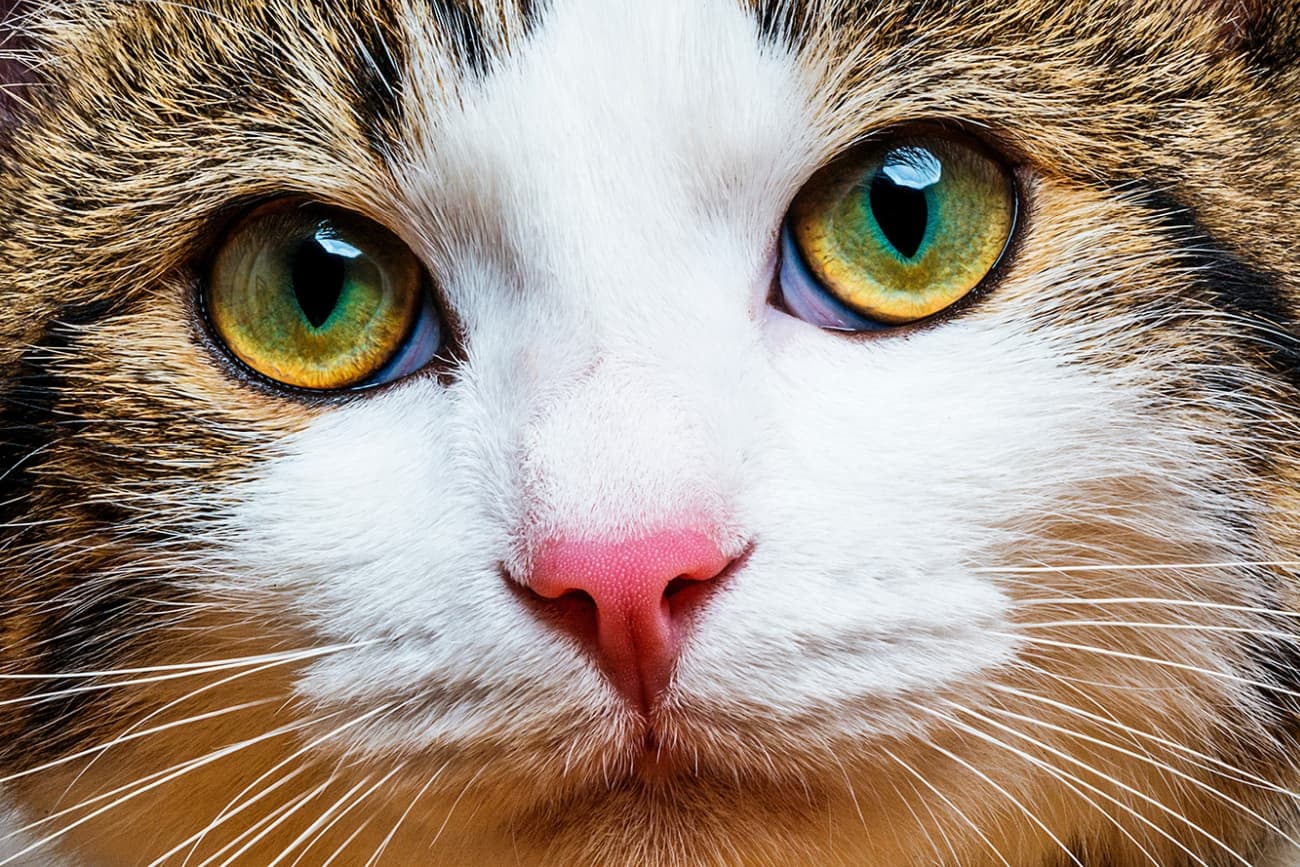
The eyes are one of the key indicators of a cat's well-being.In healthy animals, the eyes are clean, bright, clear, and free of any discharge or tearing.However, sometimes a cat's eyes become watery or develop some discharge.This is almost always a sign of a problem that must not be ignored.
Eye problems in cats
Ophthalmology is a very broad field in veterinary medicine, and veterinarians who wish to treat animal eye conditions must complete the appropriate specialty training.This alone shows us that issues related to cat's eyes are not easy.
There are many causes of eye problems in cats: from viruses and bacterial infections to injuries and physical defects such as blocked tear ducts or entropion — a condition in which the eyelids turn inward toward the eye, causing mechanical irritation of the eyeball, which leads to tearing and inflammation.Of course, the approach must be different in each of these cases.
However, before the disease fully develops, the first warning sign is often visible: the so-called "third eyelid" covering the cat's eye.It is nothing more than a nictitating membrane that covers the eyeball when the animal closes its eyelids, and its function is to detect changes in light.When a sudden shadow or bright light falls on a cat’s head, the retinial membrane registers this change and sends a signal to the brain warning of potential danger (which may, for example, cause the cat to wake up from a nap).This membrane also protects the eye from physical injury.
In addition, the “third eyelid” serves as a litmus test for a cat’s health: when an infection develops in the animal’s body, the cat is suffering from parasites, or some other systemic condition arises, the “third eyelid” does not retreat into the inner corners of the eyes, but covers part of the eyeballs, changing the pet’s appearance.Such a signal should not be ignored and always requires corrective action.
Eye diseases in cats
The most common viral diseases that cause eye problems include herpesvirus and calicivirus—collectively known as “cat flu,” a condition that affects the upper respiratory tract and often the eyes as well.Viral infections very often lead to bacterial complications, causing the eyes to water and become infected; if left untreated, this can result in the eyelids becoming completely sealed shut by pus.From there, it is a short path to further complications, such as corneal damage leading to perforation (known as a herniated corneal ulcer), which in turn can result in complete destruction of the eyeball, blindness, and, as a result of the resulting infection, even the animal’s death.This is particularly dangerous because both of these viruses most commonly affect kittens, who become infected during the immune gap (between 6 and 8 weeks of age) and usually die without veterinary care.Therefore, if any such symptoms appear, it is essential to initiate appropriate treatment—both systemic and topical.
Bacterial eye infections
Bacterial infections often lead to conjunctivitis, which may also be accompanied by discharge from the eye, as well as swelling and severe pain.Here, just as with viral infections, appropriately selected ophthalmic medications are essential.It is important to note that, in the case of eye infections, medication is usually applied to both eyes, regardless of whether the infection is currently affecting only one eye or both.
Mechanical injuries to the eye
The situation is different when it comes to mechanical injuries.Unfortunately, it sometimes happens that a cat, for example while playing or fighting, can injure another cat’s eye with its sharp claw.If that happens and, for example, the cornea becomes scratched, appropriate measures are needed to ensure that the injury heals properly.With this type of problem, it is crucial to choose the right medications, because if the cornea is damaged, the use of steroid medications can lead to optic nerve damage, which may have irreversible consequences.
Anatomical abnormalities of the feline eye
In contrast, surgical intervention is usually necessary in cases of anatomical abnormalities.Thus, both the aforementioned blockages of the tear ducts—which in many cats become obstructed as a complication of a previous case of “cat flu”— as well as all kinds of conditions that cannot be treated with medication alone (such as neoplastic lesions within the visual system) are removed or repaired during surgical procedures.Surgery can also be used to treat certain specific stages of glaucoma in animals.Importantly, this procedure should always be performed by a qualified physician who has access to the appropriate ophthalmic equipment.Eye surgery is no joke—for both humans and animals.
What to do, what to avoid?
If you notice any abnormalities in your pet’s eyes, you should always consult a veterinarian.Under no circumstances should you delay seeking treatment in such cases, as eye problems tend to worsen, and postponing a visit may result in irreversible damage.
What a caregiver must not do, however, is administer any medication to the cat on their own.It is also prohibited to rinse your eyes with chamomile—an infusion of this herb dries out the conjunctiva, which worsens its condition rather than improving it.If your veterinarian recommends rinsing your cat’s eye to clean it, it’s best to use special veterinary solutions, saline solution, or, as a last resort, an eyebright infusion (after it has cooled, of course).
It’s always worth going out of your way to see a recommended veterinary ophthalmologist about the problem.
