
Dogs on the Beach – Rules and Safety Guidelines
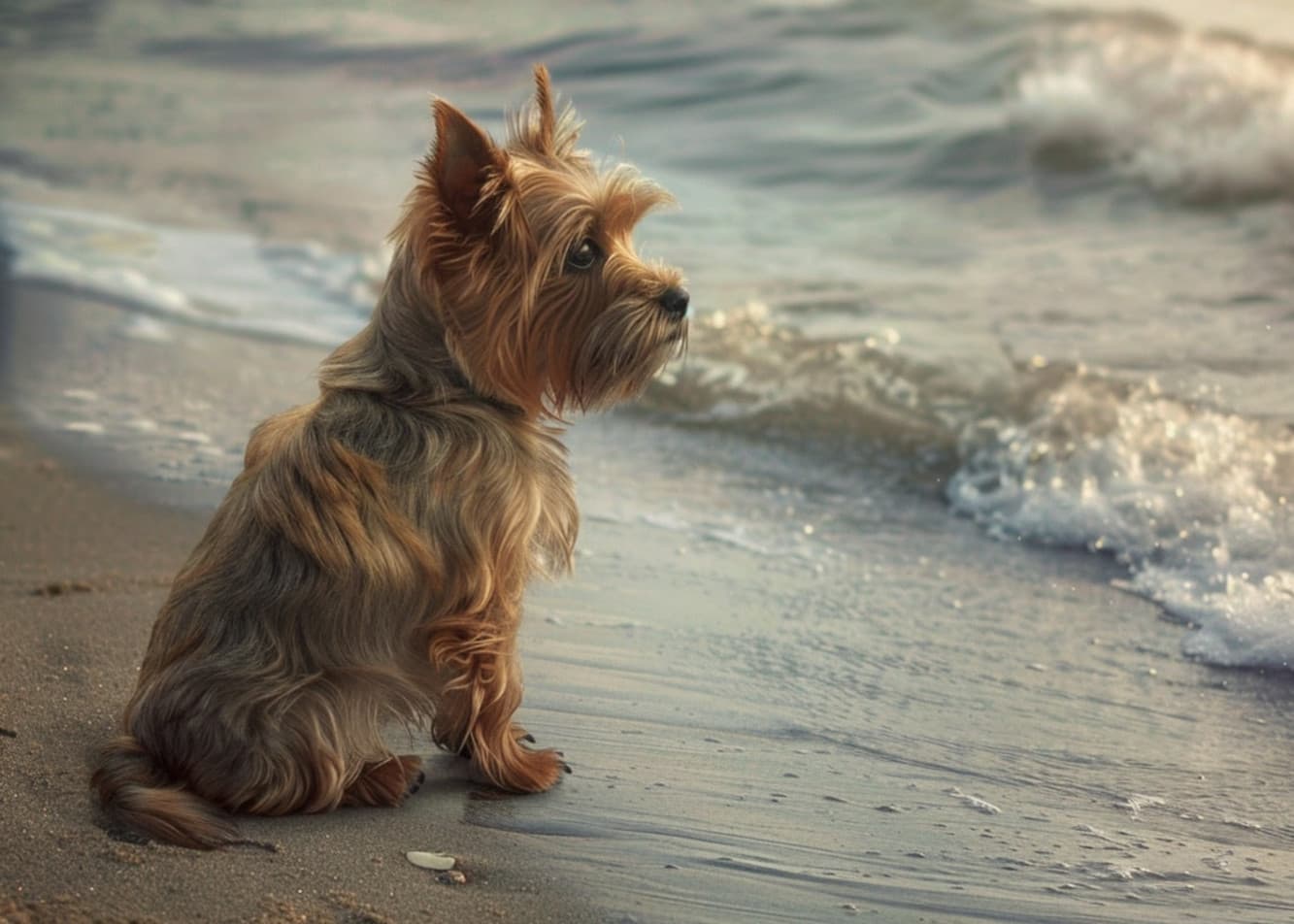
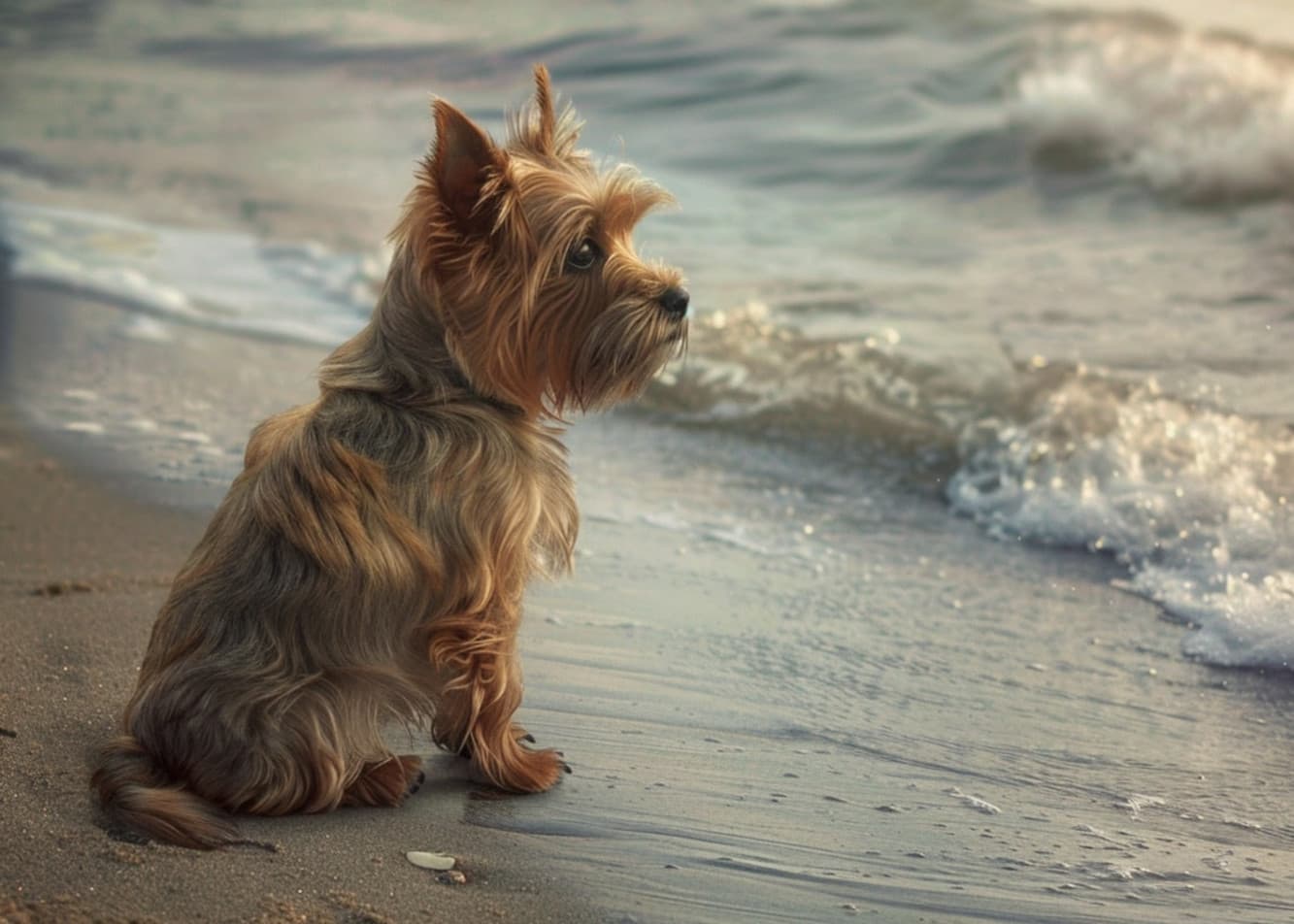
For many pet owners, a summer trip to the beach wouldn't be complete without their beloved pet by their side.The sound of the waves, soft sand, and carefree moments can be a wonderful adventure for your four-legged friend too—especially if they’re the type who loves splashing around in the water, digging holes, or taking long walks along the seashore.A dog on the beach is a sight that vacationers are seeing more and more often—and it’s no wonder, because spending time at the beach with your pet can bring a lot of joy and wonderful memories.It’s worth remembering, however, that such a trip involves both pleasures and responsibilities.
Whether you're planning a vacation with a large Labrador or a small Yorkie, your pet's comfort and safety should always come first.In this article, we take a look at how to make a dog-friendly beach truly dog-friendly.
Table of Contents:
- Can dogs go on the beach??Rules and restrictions
- Dog-friendly beaches – how to find them?
- How to prepare your dog for a day at the beach?Packing List
- Can a dog swim in the ocean??
- How to protect your dog from the sun and heat?
- Rules for good dog behavior at the beach – etiquette and consideration for others
Can dogs go on the beach??Rules and restrictions
Currently, there are no nationwide regulations in Poland regarding the presence of dogs on beaches.This matter is regulated on a case-by-case basis by individual municipalities, which establish their own rules.In most cases, dogs are not allowed on supervised beaches between June 1 and September 30, but this is not always the case.Information about the applicable rules can usually be found on the signs posted at the beach entrances.
Outside of the summer season, many restrictions are lifted and beaches become accessible to pets.
Another alternative to crowded resorts are lakes with public access to the shoreline, which can be a great place to relax on the beach with your dog—but you should also be mindful of the rules and any restrictions there.
On unguarded beaches and those further away from major tourist attractions, there is usually no ban on bringing dogs to the beach, although restrictions may still apply—for example, the requirement to keep your pet on a leash.It is equally important to recognize the differences between urban beaches and wild beaches.The latter are less often subject to restrictions, but this does not relieve caregivers of their obligation to maintain order and comply with the rules.
Dog-friendly beaches – how to find them?
These are usually designated areas known as dog beaches—sometimes fenced off, sometimes with access to water, and often equipped with amenities such as waste bins or obstacle courses.Among the most popular destinations in Poland are the beaches in Łeba (entrances B and C), Kuźnica (entrance 29), Jastarnia (entrance 55), Gdynia (entrances 4 and 18–19), Gdańsk-Brzeźno (entrance 34), Białogóra (entrance 32), and Międzyzdroje (sectors L–M).Sopot, Rewal, Dębki, Rowy, Darłowo, and Świnoujście also have designated beach areas where dogs are allowed—often with specific hours of access or requirements regarding leashes and muzzles. Importantly, dog-friendly beaches are increasingly being clearly marked on Google Maps and included in the filters of popular accommodation search engines.
How to prepare your dog for a day at the beach?Packing List
First and foremost, make sure you have access to fresh water—it’s best to bring a travel bottle with a dispenser and some bowls for your dog.High temperatures and physical activity while playing make staying hydrated absolutely essential.
Other essential items include a leash, a muzzle, poop bags, and a towel to dry your pet off after a bath. If you’re planning a longer stay by the water, where the ground—such as sand—can get very hot, you should consider buying special protective shoes to keep your dog’s paws from getting burned.On hot days, it’s best to plan your trip to the beach for the morning or late afternoon to avoid the highest temperatures.A beach tent for dogs is also a good option, as it will provide your pet with a shaded and quiet place to rest.



Can a dog swim in the ocean??
Not every dog should jump right into the water—brachycephalic breeds (i.e., dogs with a characteristic flat muzzle and broad skull), older animals, obese dogs, or those with short legs may have difficulty staying afloat.Strong currents, high waves, or contact with jellyfish or other marine life can pose a serious threat even to dogs that are usually comfortable in the water.
It’s also worth remembering that the beach isn’t always safe—broken glass or sharp shells can hurt your dog, especially around its paws.It’s also important to keep in mind that some pets aren’t fond of water.In such situations, dog toys can be helpful – floating balls or fetch toys often help overcome fear and encourage the dog to gradually get used to the water.



Immediately after playtime, be sure to rinse your dog thoroughly with clean, fresh water.Sand and salt trapped between the toes, on the skin, or around the mouth can cause itching, irritation, and even lead to infection.If an animal swallows too much salt water, it may vomit or have diarrhea, so it’s a good idea to keep an eye on its behavior even after swimming.
How to protect your dog from the sun and heat?
A dog on the beach should have access to shade and a constant supply of drinking water, as these are the most important factors in preventing it from overheating. Obese, older, and brachycephalic dogs are particularly prone to overheating, as heat can exacerbate their breathing difficulties.The sensitive areas around the nose, ears, and stomach require extra protection.For hairless or short-haired breeds, it is recommended to use special UV-protective creams designed exclusively for animals.
It is essential to provide fresh water regularly—preferably in small amounts, but often.High temperatures and physical activity on the beach can lead to rapid dehydration.It’s also a good idea to make sure your dog has access to shade—a beach umbrella for dogs will come in handy, especially when there’s no natural shelter from the sun.
Symptoms of overheating, such as excessive panting, lethargy, drooling, or vomiting, require immediate attention.In this situation, move the dog to a shaded area and cool its paws and belly.If the animal's condition does not improve despite the measures taken, it may be necessary to consult a veterinarian promptly.
Rules for good dog behavior at the beach — etiquette and consideration for others
A dog on the beach should remain under its owner’s full control at all times—preferably on a leash, so it can be called back quickly.Even if a particular dog-friendly beach does not require a muzzle, it is worth considering using one in situations where your pet tends to get overly excited or reacts uncertainly to the presence of children or other animals.
The rules of sharing a space should be taken seriously—loud barking, jumping on strangers, or running up to other dogs can disturb others’ relaxation and lead to unnecessary tension. A good practice when sunbathing is to use positive reinforcement techniques. dog treats are perfect as a reward for calm behavior, staying in place, or ignoring distractions.



Going to the beach with your dog can be an unforgettable experience, provided you approach it responsibly and are aware of the applicable rules.The key to a successful vacation is to check in advance whether dogs are allowed on a particular beach and to properly prepare your pet for the new surroundings.
Ensuring safety, providing shade and fresh water, and behaving appropriately are all signs of caring not only for your own dog but also for the comfort of other beachgoers.This means that having a dog on the beach isn't a problem.