
Dogs in the mountains – what should you keep in mind?
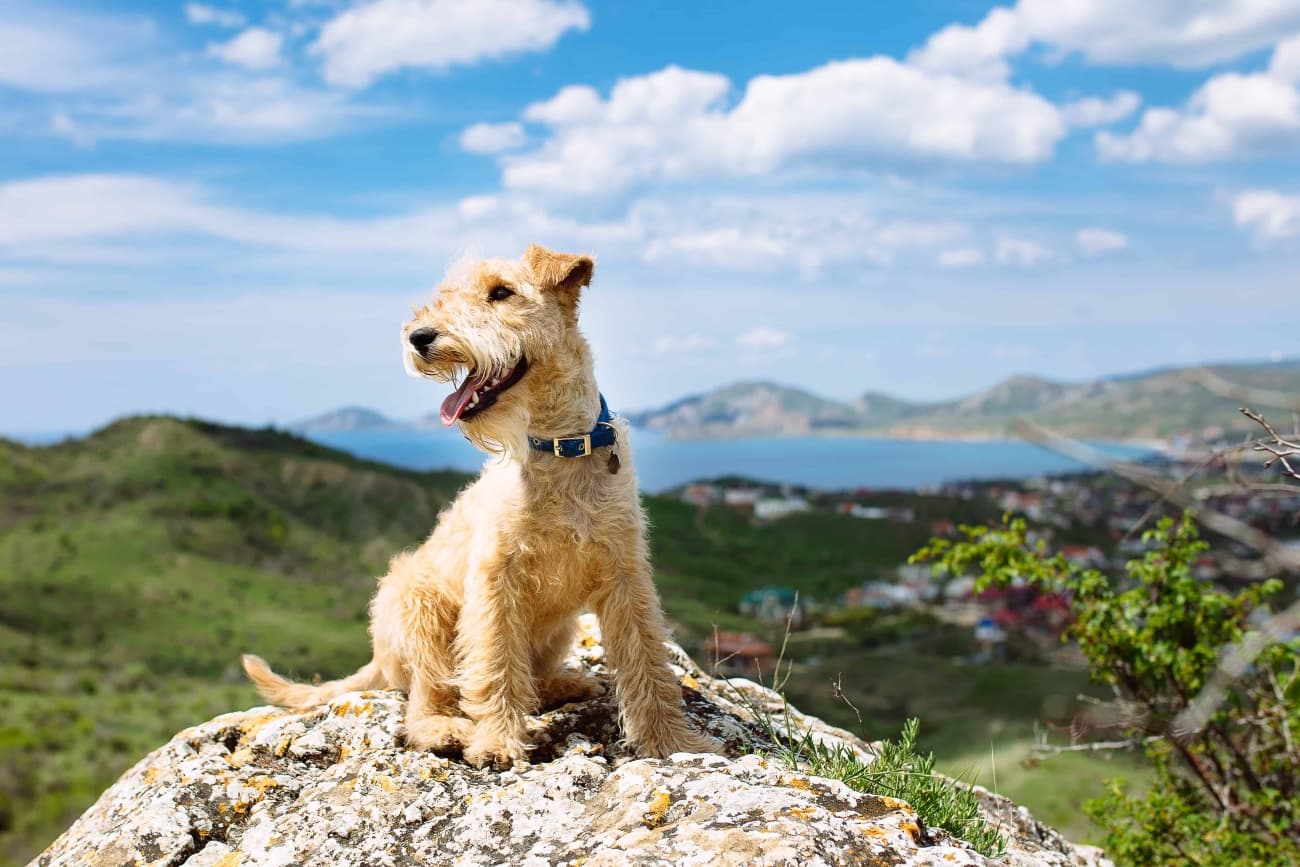
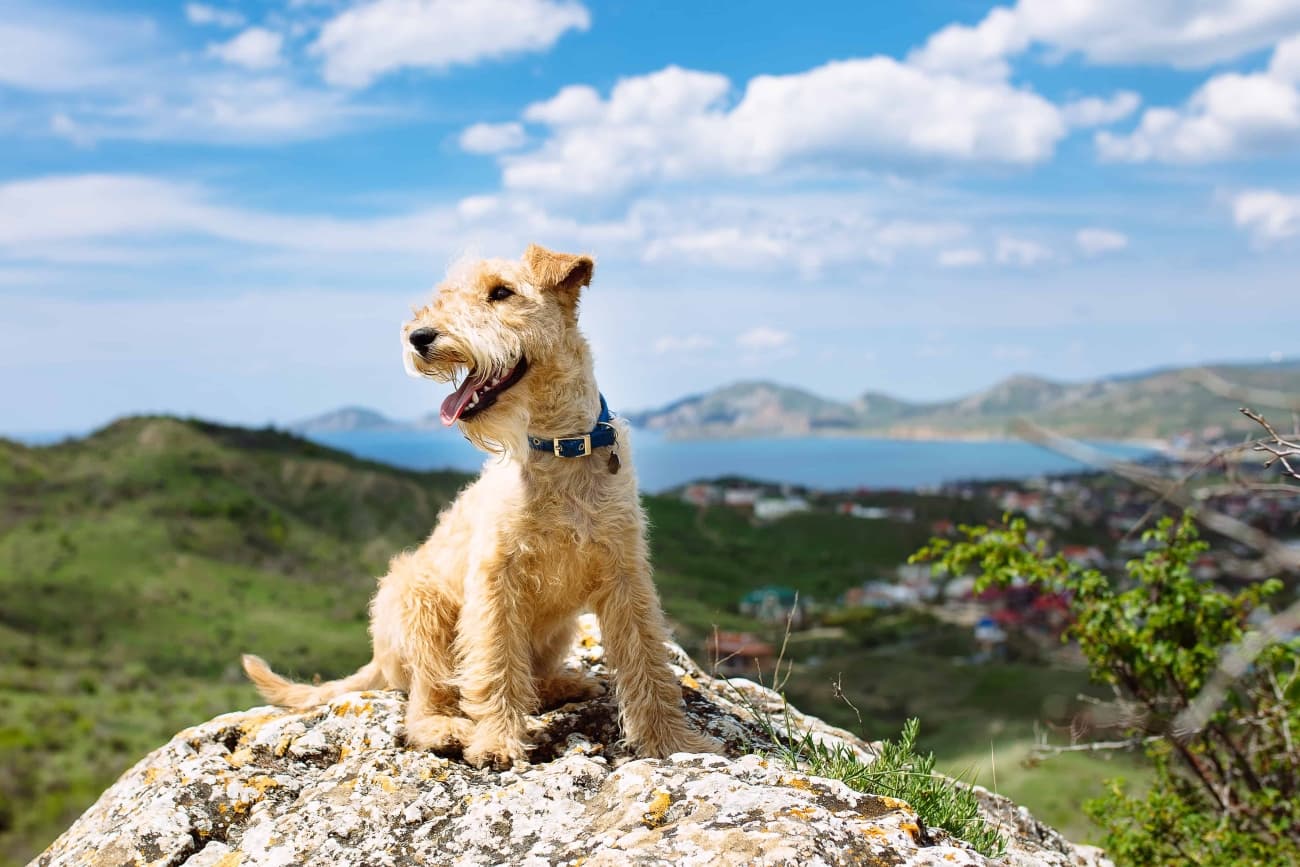
Taking your dog to the mountains—is that a good idea??
Nowadays, more and more dog owners treat their pets as members of the family, taking them along on vacations, to visit relatives, and on hiking trips.Social media is full of photos of people showing off that they managed to reach the summit with their dog.Are trips like this a good idea??Yes—provided the pet is in good shape and able to handle a longer distance.Remember, if your dog can't go any further, don't force it to keep going.Take a break, let your pet rest, or even carry it in your arms or in a special backpack.However, if your dog turns out to be a real fan of mountain hikes, these trips are sure to be a great adventure.
How to prepare for a hike in the mountains with your dog?
People who hike in the mountains know the most important rule all too well: take everything you might need, while carrying as little as possible.Keep in mind that your backpack will start to feel heavier over time, especially at higher altitudes, so you should carefully consider and plan your gear.What to Pack When Taking Your Dog to the Mountains?
Dog's documents
First and foremost, you must bring your dog’s health record, which contains all the information about current vaccinations, particularly the rabies vaccine.If you're traveling abroad, you'll also need a passport.
ID
Every dog on the trail—and beyond—should have an ID tag.In difficult conditions, during a hike in the mountains, a dog may break free from its leash.If a dog goes missing in the mountains, the ID tag will help quickly locate the owner.The owner's phone number should be listed on the ID tag as well as on the harness.Also, be sure to add your dog's microchip number to the appropriate databases.
Long leash and harness
A harness is a much better choice than a leash, as it’s safer—especially if you’re heading into rough terrain.It is also important for the leash to be long, as walking a dog on a short leash will not be comfortable.You can also bring a special waist harness, so you won't have to hold the leash in your hands the whole time.
Shoes or socks
In this case, it's about finding the right shoes or socks for your dog.In rough, rocky terrain, a dog's paws can get injured; for example, they might get cut, which would prevent the dog from continuing on.Note: Dogs can also develop blisters after running long distances!The right shoes or socks can improve your dog's comfort.It’s a good idea to get your dog used to wearing them well before the trip so that he knows how to move around in them.
Bowl for water and food
Of course, on long trips, you should bring not only treats for your dog, but also the right food.Surely, after burning off a ton of calories on the trail, the dog will be begging for a meal.When it comes to a water bowl, it’s a good idea to get a silicone travel bowl.Give your dog water as often as possible to prevent dehydration.
Tick repellent
There are ticks in the mountains as well, so be sure to protect your dog properly.These can be tablets, drops, or a lanyard.This way, you'll protect it from insect attacks.
Dogs in the Mountains – Summary
Taking your dog on a mountain hike will certainly be a wonderful adventure for him, as long as you prepare properly.Remember that you can leave some items at the shelter—for example, dog food , a dog bed, and other items.That way, you won't have to carry them around with you all the time.And most importantly—keep a close eye on your dog, especially during your first outing.Sometimes it turns out that he can't make it to the top.There’s nothing wrong with that—after all, the point is for everyone to enjoy a hike in the mountains, including our four-legged friends!