Dog Motion Sickness – How Can You Help Your Pet While Traveling?
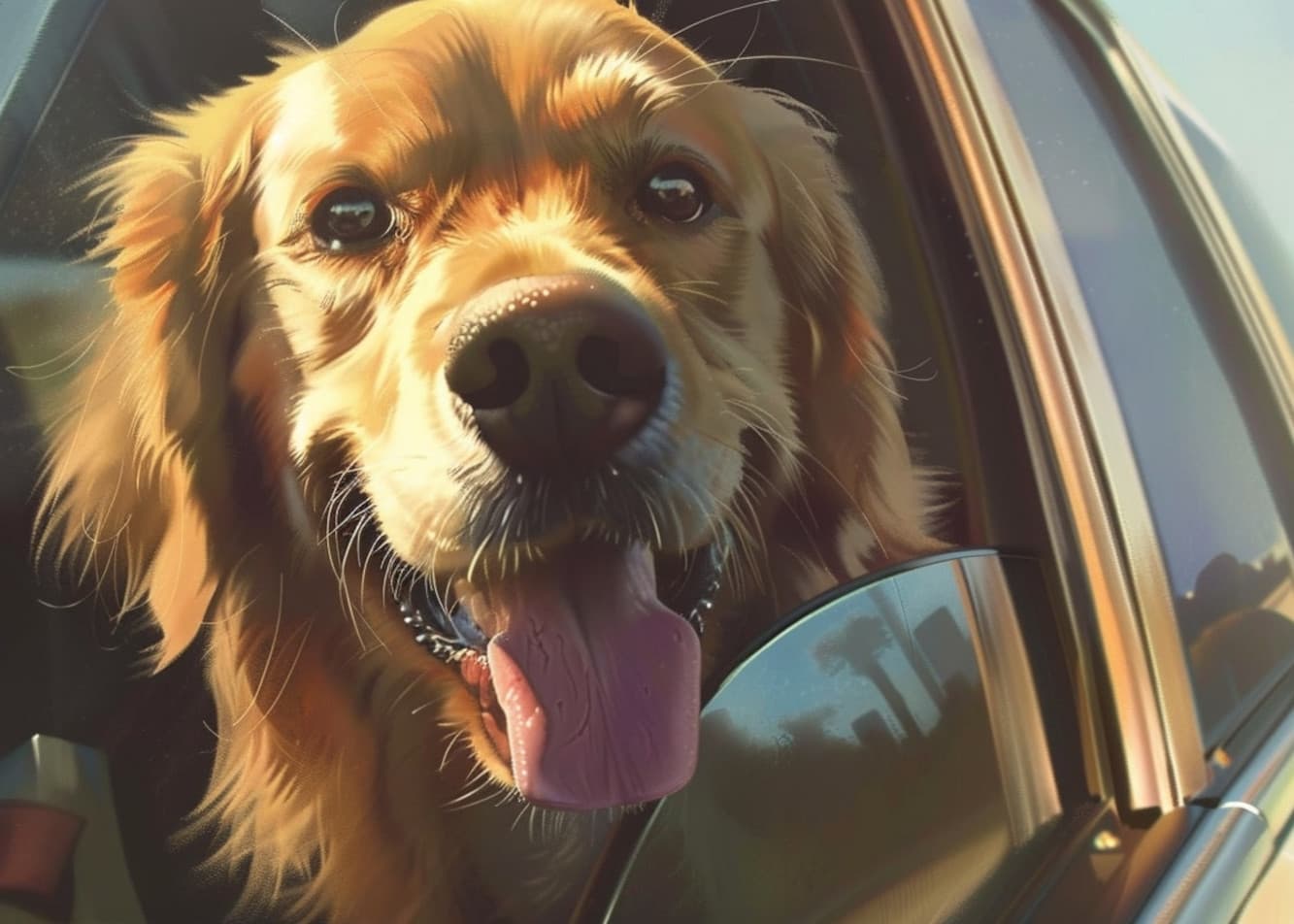
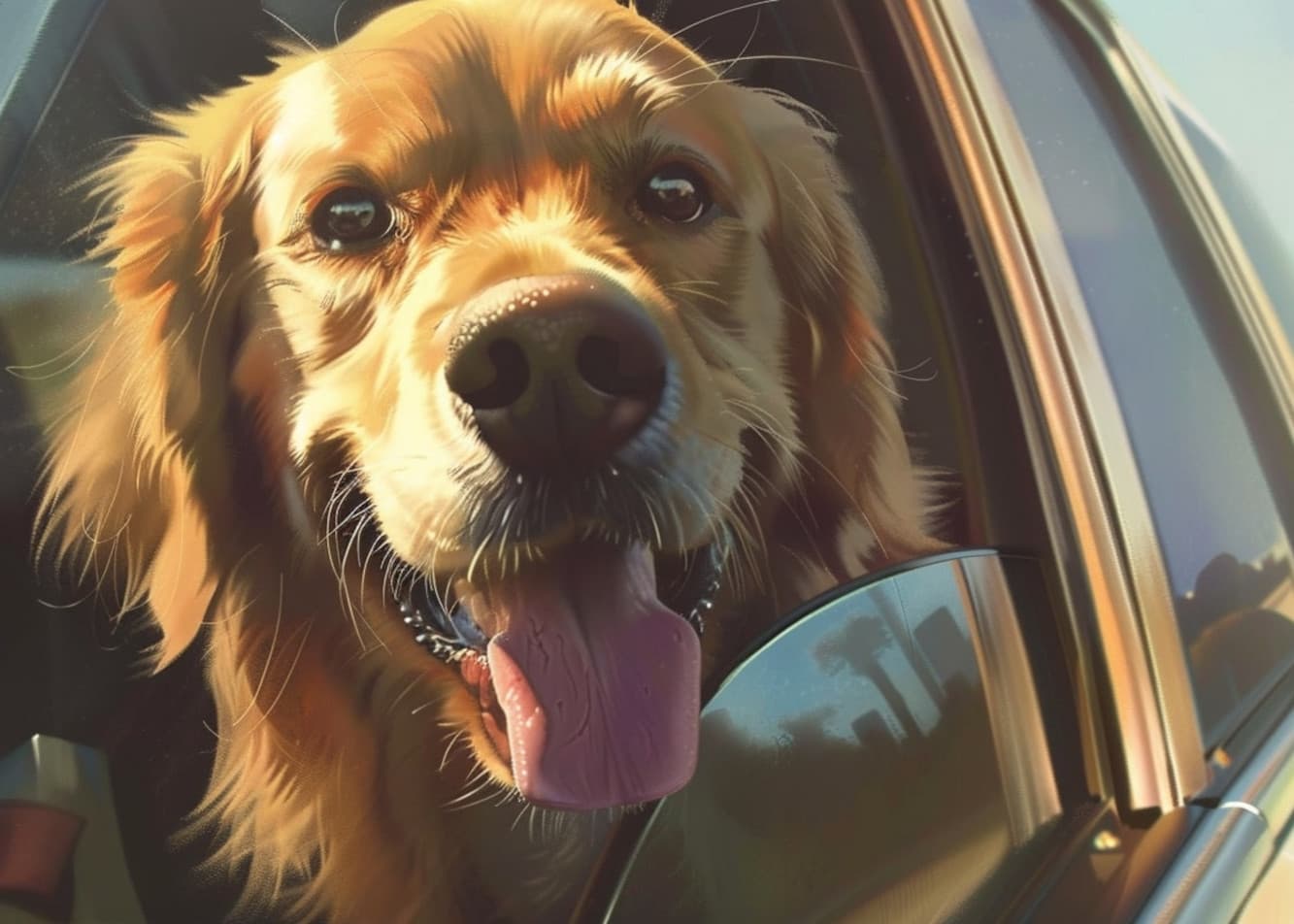
The upcoming summer vacation is a time for planning trips, weekend getaways, and journeys both near and far.We are increasingly taking part in these activities, whether with family or friends, or with our four-legged companions.A dog in a car, on a train, and sometimes even in the cabin of an airplane—that sight no longer surprises anyone.Unfortunately, many animals don’t handle travel well, and the first signs of motion sickness often catch many owners by surprise on their very first trip.
Nausea, excessive salivation, or anxiety are signs that must not be ignored.Motion sickness in dogs can effectively ruin any outing you take together and negatively affect their well-being.Understanding the causes and taking appropriate action can completely transform the travel experience—for both the dog and its owner.In this article, we’ll explain what this condition is, how to recognize it, and what to do to help your pet reach its destination safely and comfortably.
Table of Contents:
- What is motion sickness in dogs??Causes and Mechanism
- How to recognize the symptoms of motion sickness in dogs?
- Natural ways to relieve motion sickness in your pet
- How to make your dog more comfortable during car trips?
- Products and medications for motion sickness in dogs
- Preventing motion sickness – training and acclimatization
What is motion sickness in dogs??Causes and Mechanism
Motion sickness in dogs is a disturbance in the balance between what the eyes perceive and what is detected by the vestibular system in the inner ear, which is responsible for controlling body position. When a dog is in a moving vehicle, its brain receives conflicting signals—the body remains stationary, but the vestibular system detects movement.This results in disorientation and physical reactions such as nausea, excessive salivation, or vomiting.
This problem mainly affects young dogs, whose vestibular system is not yet fully developed.However, motion sickness in dogs can also occur in adult dogs—especially those with heightened sensitivity to sensory stimuli, a strong bond with their owner, or negative experiences related to previous trips. In some dogs, symptoms appear within just a few minutes of the ride, while in others they develop gradually.
How to recognize the symptoms of motion sickness in dogs?
Motion sickness in pets can manifest in many ways—from very obvious physical signs to less noticeable, subtle changes in behavior.
The main symptoms of motion sickness in dogs include:
- excessive drooling – an animal suffering from motion sickness may have a wet muzzle and neck after just a few minutes of travel;
- vomiting – often occurring suddenly, even if the dog is traveling on an empty stomach;
- yawning and licking the lips – repetitive, nervous movements of the mouth;
- breathing heavily – not related to temperature or exertion;
- restlessness – fidgeting, squirming, changing position every few seconds.
Less obvious symptoms of motion sickness in dogs, which are often overlooked or misinterpreted, include:
- apathy or withdrawal – the animal becomes lethargic and does not respond to its owner’s voice;
- muscle stiffness – body tense, tail tucked, ears laid flat;
- trembling of the limbs or the entire body – even when appearing calm;
- smacking, gasping for air, swallowing saliva – repetitive, uncontrolled;
- temporary loss of balance – especially in puppies or older dogs;
- refusal to enter the vehicle – an animal suffering from motion sickness resists with its paws, hides, or runs away;
- irregular breathing or a rapid heartbeat – particularly noticeable in brachycephalic breeds, i.e., dogs with short, broad skulls and upward-facing nostrils.This group includes m.in.French bulldogs and pugs, for whom this problem may also be related to breathing difficulties.
If you notice any of the symptoms of motion sickness described above in your dog, be sure to take action and don’t ignore them.
Natural ways to relieve motion sickness in your pet
The first step is to ensure proper ventilation in the vehicle's cabin.Fresh air reduces nausea, calms your dog, and helps them tolerate the motion of the vehicle more easily.You can open the window slightly, while keeping the animal's safety and stability in mind.
It is also important to secure your pet properly using a harness or to position it in a stable position.Dog carriers available on the market are invaluable for this purpose .Accessories of this type limit uncontrolled body movements, thereby reducing strain on the vestibular system and preventing symptoms from worsening.Once inside the vehicle, it’s best to avoid sudden movements, keep noise to a minimum, and place a blanket with the scent of home or the caregiver’s T-shirt inside the carrier, as this helps the pet feel calm.
How to make your dog more comfortable during car trips?
- Ensure proper ventilation inside the vehicle—fresh air plays a vital role in ensuring the animal’s well-being;
- It is recommended to use a carrier or harness to stabilize your pet and minimize the impact of motion on the vestibular system;
- It is recommended to avoid sudden maneuvers and excessive noise, as they can increase travel-related stress;
- A good idea is to place a blanket from home inside the carrier—the familiar scent helps your pet feel safe;
- While driving, it’s a good idea to make regular stops every 2–3 hours, preferably in a quiet and peaceful place, to allow your pet to rest and relieve itself;
- It is not recommended to eat right before traveling—a full stomach can lead to nausea and discomfort.
Products and medications for motion sickness in dogs
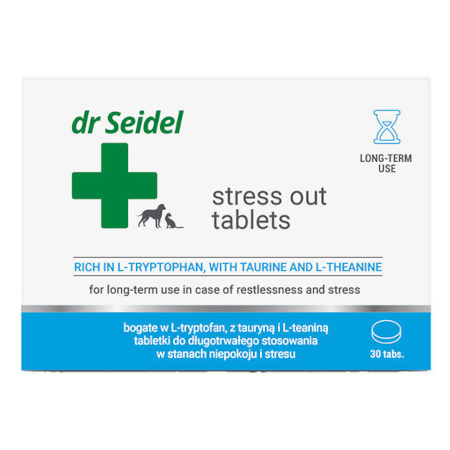
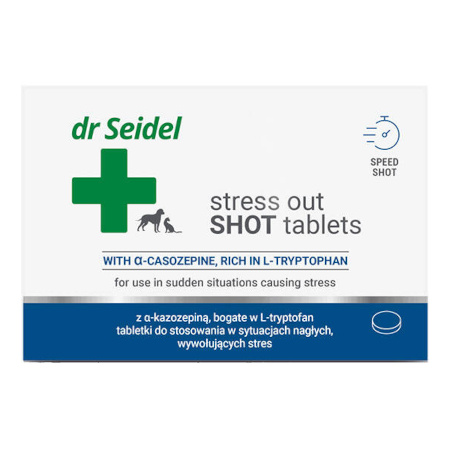
Among the most commonly used medications are antiemetics, which act directly on the vomiting center in the brain, effectively relieving nausea.Tablets for pets that treat motion sickness by reducing the hypersensitivity of the vestibular system—which is responsible for balance disorders and nausea—are also popular.Calming products for dogs are also effective , as they help reduce nervous tension and thus alleviate physiological reactions to the movement of the vehicle.
For milder symptoms or as a supplement to treatment, you can try natural supplements containing m.in.ginger.Before deciding what to give your dog for motion sickness, consult your veterinarian first. Only a veterinarian can select the appropriate medication and determine the correct dosage based on the animal’s age, weight, and overall health.

Preventing motion sickness – training and acclimatization
An effective way to combat the symptoms of motion sickness in dogs is through proper habituation training, which involves gradually getting the dog used to the vehicle and the associated stimuli. It’s best to start by getting the animal used to the mere presence of a car, even before you need to take a trip.At first, it’s enough to spend time with your pet near the car—for example, playing with them next to a parked vehicle or giving them a chew toy—so they associate that place with something pleasant.
The next step involves short sessions in the car with the engine turned off.Once the dog feels comfortable, you can start the engine and gradually increase the amount of time spent inside.Only at the very end do you start taking very short rides—at first around the house or to the park.It is important to adjust each step to your pet’s pace of adaptation.
Regular exercise, even just a few minutes a day, effectively reduces the risk of your pet developing full-blown symptoms of motion sickness.Thanks to this approach, many dogs begin to associate the car with something neutral or positive.If the problem persists despite your best efforts, it’s worth considering what will be most effective for your dog’s motion sickness—for example, giving them natural supplements or consulting a veterinarian right away.
From our article, you already know how to recognize motion sickness in your pet.It’s important to remember that this is a real problem that can significantly reduce the enjoyment of traveling together and cause serious stress for your pet. It is crucial to monitor symptoms—both obvious ones, such as vomiting or drooling, and more subtle changes in behavior.Natural methods of soothing and gradually getting used to riding are effective preventive measures.Traveling together can be enjoyable if the owner prepares properly for the dog’s needs and ensures its well-being at every stage of the trip.
Recommended