
Do you know what your dog likes as a treat?
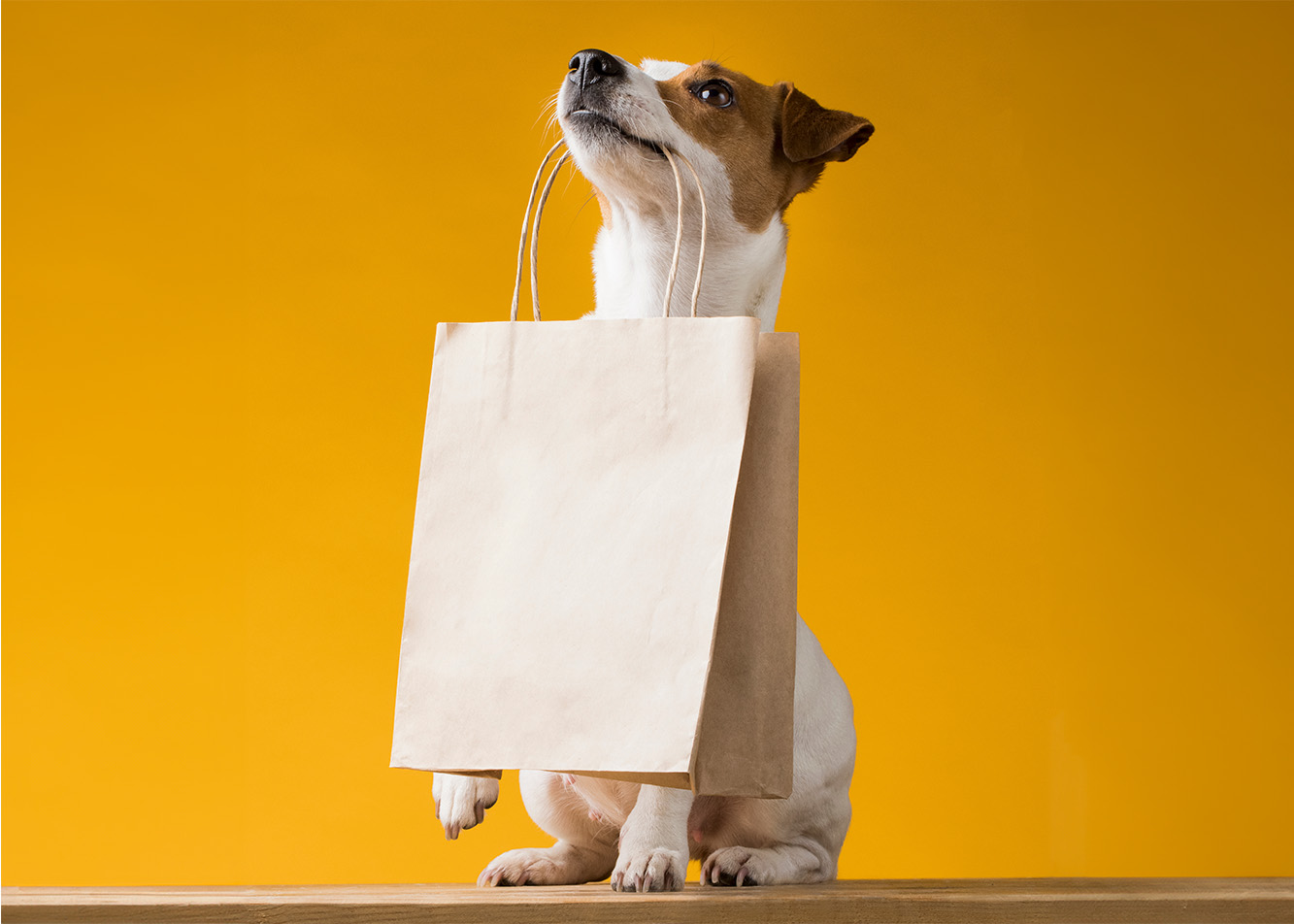

Types of dog treats
The first thing that usually comes to mind when it comes to rewarding dogs is food, such as treats.In fact, this is the most popular method, and it will often work well for your dog, so it serves as a reward.Of course, this isn't a simple matter at all, and just giving your dog a treat can get boring if it's always the same thing.In addition to using food as a reward, we have a number of other options.We invite you to read the article to learn about them all.
Rewarding your dog with food
Do you know what your dog likes to eat most??You can check this very easily!Prepare a few small plates and place different typesof dog treats on each one – be sure to check that your dog can safely eat these products.These could be the ingredients you use most often, such as a vegetable or fruit (e.g., carrots or blueberries), cooked or raw meat, or dry or wet food.Place the plates on the ground in a row next to each other, and then let your dog eat what’s on them.Notice what he ate first, or if he skipped something and came back to it?Or maybe he went through them one by one and swallowed them all?If that's the case, your dog probably just likes everything and doesn't have any obvious preferences.If he skipped something and came back to it later, it means he didn't like it as much as other things.This taste test will help you figure out what your pet likes best and what it likes least.
Rewarding Your Dog with Play
Many dogs love playing with their owners, but sometimes owners aren't sure what that play should look like.The best way to get help is to go to a dog trainer, who can show us how to play.A lot depends on the type of dog you have; for example, terriers often really enjoy playing with a dog tug toy.Retrievers, on the other hand, like to pick things up in their mouths and carry them around.Our dog’s breed—whether it’s a hunting dog, a herding dog, or a companion dog—will give us a clue as to what kind of play he might enjoy most.Sometimes pets just like having a toy, while others enjoy it when their owner plays with them, for example by tugging on a tug toy.To keep your pet eager to play with you, remember to let them win.Giving your dog the toy while it’s tugging on it will make it feel successful and eager to keep playing.
Social and Environmental Award
The so-called "social reward" is a social reward, and it could be, for example, our joy at seeing our pet successfully complete a task.We usually talk about praise, but many dogs really enjoy jumping up on their owner with their front paws and leaning against them.This behavior will also serve as a reward.Dogs may not like being petted on the head, yet this is often a natural human reflex when we want to reward our pet.Notice if the dog moves away slightly when you reach out to it—if so, it’s possible that it doesn’t like being touched at all.Dogs, on the other hand, like to be petted under the chin, behind the ears, on the back of the neck, and along the sides of their bodies.An environmental reward could be, for example, letting the dog off the leash so it can jump into the lake.Let’s make sure it’s a familiar and safe place.This allows the dog to explore its surroundings as it pleases, and here, too, breed can make a difference.Retrievers won’t pass up a chance to splash around in even the tiniest puddle, and a pointer, upon seeing tall grass, will want to check if there might be some pheasants hiding there.
What a dog considers the greatest reward isn't necessarily what we think it is.During your next training session, try giving your dog a treat in a different way than usual.For example, you can toss it onto the grass or hide it in your closed hand, let your dog sniff it, and then make a few movements with your hand away from the dog, as if you were trying to keep it from getting the treat, and then toss the treat on the ground.
Try to get to know and understand your pet’s behavior, but let it learn and grow.