
Do cats cry?? Everything you need to know
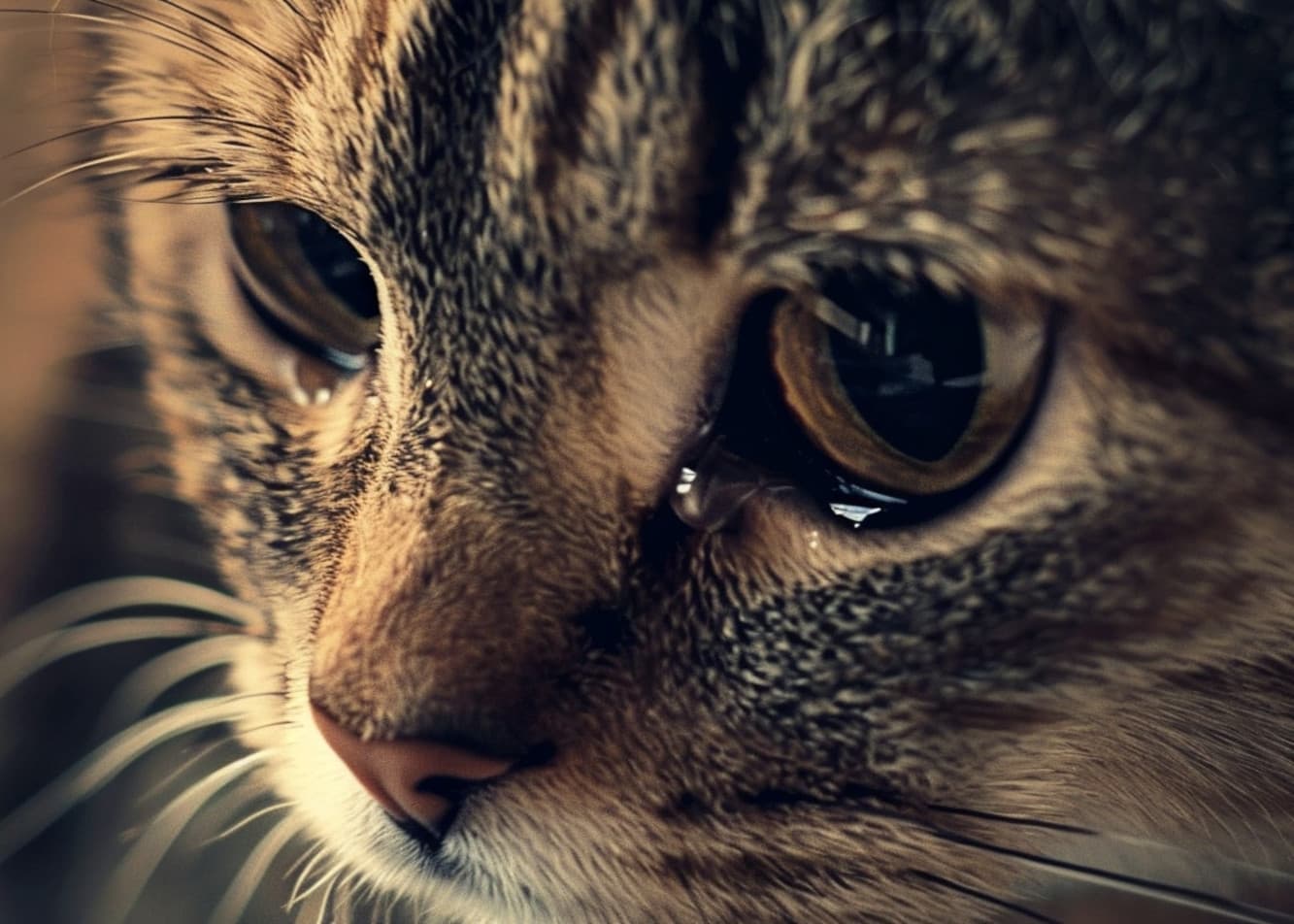
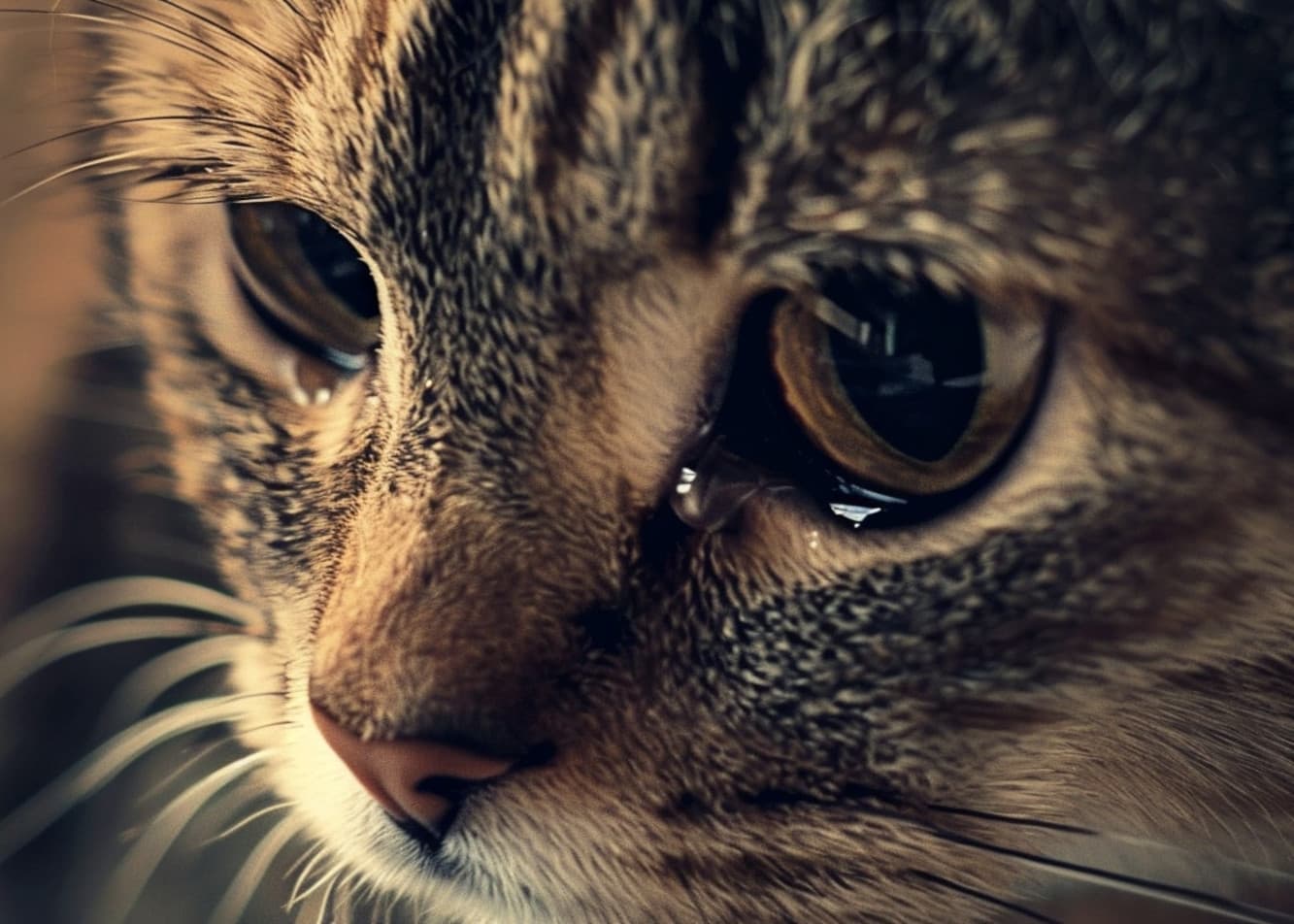
Have you ever wondered if cats cry??This is a question that many pet owners ask themselves, especially when they notice that their pet is making sounds that sound like sobbing or has teary eyes.After all, if people cry, couldn't animals do the same??
A cat’s “crying” is a phenomenon that often causes concern.When we hear a drawn-out meow or whine, we might get the impression that our kitty is sad or in pain.In reality, however, cats communicate with their surroundings in this way, and their vocalizations can express a range of emotions—from a need for attention to frustration, fear, or pain.
In contrast, a cat’s tears are not linked to emotions in the same way as they are in humans.If you notice that your pet's eyes are watering excessively, it could be a sign of irritation, an allergy, or even a more serious health issue, such as an infection.In this situation, you should take your cat to the vet, who will examine it and help resolve the issue.
Table of Contents:
- Do cats really cry??The differences between human and cat crying
- Why does a cat have tears in its eyes??Causes of excessive tearing
- How cats show their emotions?Signs of sadness and stress in cats
- Can a cat cry out in pain??How to recognize when a cat is in pain
- How to help a cat that seems sad or stressed?
Do cats really cry??Differences between human and feline "crying"
Do cats cry??This is a question that owners of these mysterious animals often ask themselves.When you see a cat meowing pitifully, you might get the impression that it is experiencing a sadness similar to that of a human.And that is indeed the case, because the emotions experienced by animals can take forms similar to human emotions.Therefore, sadness, grief, longing, and despair are emotions that cats certainly experience.The same is true of social pain, which we have long known animals are capable of feeling, for example, when separated.
Teary cat eyes, on the other hand, are a completely different matter.Tears in a cat's eyes are most often caused by physiological or health-related factors, resulting from irritation or a medical condition.That is why such a cat needs veterinary care, not just comfort.
Why does a cat have tears in its eyes??Causes of excessive tearing
Unlike in humans, tears in cats do not indicate sadness, but may be caused by:
- eye irritation (dust, smoke, foreign object),
- viral or bacterial infections,
- anatomical problems (e.g., abnormal structure of the tear ducts),
- eye injury,
- food or environmental allergies.
Some breeds, such as Persians or exotics, are more prone to excessive tearing due to their specific skull structure and short tear ducts.In such cases, it is essential to take care of your eyes regularly and use appropriate eye care products.
If a "teary-eyed" cat has chronically watery eyes, it is necessary to consult a veterinarian.It’s important to take care of your cat’s eye health by providing a proper diet enriched withcat supplements that support the immune system and eye health.
How cats show their emotions?Signs of sadness, pain, and stress in cats
Cats express their emotions in many ways, including through body language, vocalizations, and behavior.A sad or stressed pet may:
- avoid contact with the caregiver,
- hide in secluded places,
- show less interest in food and play,
- to be overly self-conscious,
- make wailing sounds, like crying,
- begin to exhibit out-of-cage behavior.
It’s a good idea to keep an eye on your pet and provide it with the conditions it needs for a comfortable life. Cat toys can help reduce minor, temporary stress, keep your pet occupied, and prevent destructive behavior caused by frustration.However, if your cat is experiencing sadness or emotional distress, you should consult an experienced behaviorist.
Can a cat cry out in pain??How to recognize when a cat is in pain
A cat in pain may vocalize in a way that its owner perceives as crying.Pets usually make these sounds because:
- pain (e.g., post-traumatic pain, but also due to acute conditions such as severe cystitis),
- digestive problems, such as constipation or indigestion.
Mental suffering is a separate category of problems, the causes of which can vary widely, including, for example, the loss of a close companion.A specific type of vocalization may also occur in older animals, along with disorientation.In such cases, it is usually not a symptom of pain, but rather a manifestation of Cognitive Dysfunction Syndrome (CDS), which is diagnosed as one of the symptoms of age-related neurodegeneration.
Pain in cats isn't always obvious – these animals often hide their suffering.In addition to vocalization, other symptoms may appear, such as avoiding movement, reluctance to play, aggression, or apathy.The animal may also lick itself excessively or completely avoid both grooming and being touched.
If you notice sudden changes in your pet’s behavior, you should consult a veterinarian to rule out any underlying health issues or to initiate appropriate treatment and supplementation.It may also be helpful to adjustyour cat’s diet, for example by addingtreats that contain ingredients to support the nervous system.
How to help a cat that seems sad or stressed?
To help your cat feel better, you should:
- provide him with a safe, peaceful environment,
- enrich his diet withcat food tailored to his health needs—mainly wet and dry food, high-meat content with simple and healthy ingredients,
- play with him regularly to help reduce his stress,
- take care of his health by taking him for regular checkups at the veterinarian’s office,
- Consider purchasing accessories that promote well-being, such ascat scratching posts or interactive toys.
Remember that regular visits to the veterinarian are essential for your cat’s health and well-being.Early diagnosis of health problems helps prevent more serious consequences.
Although cats don’t cry in the same way humans do, their vocalizations and teary eyes can be signs of various health or emotional problems.It’s a good idea to keep an eye on your pet and respond to any concerning symptoms, such as excessive tearing, changes in behavior, or vocalizations that sound like a cat crying.Providing the right environment, a balanced diet, and regular visits to the veterinarian are key to ensuring your cat’s health and well-being.This will help your cat feel safe and happy in its surroundings.
Recommended