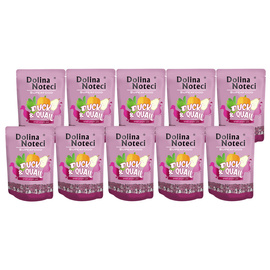
Digestive problems in dogs – how to deal with them?
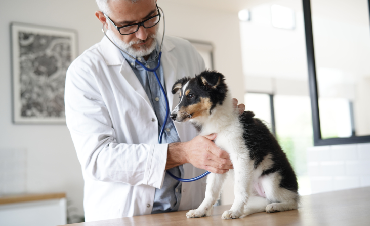

Digestive problems are an issue that virtually every pet owner is familiar with.While they do occur from time to time, there’s usually no need to worry.Dogs, just like people, sometimes suffer from indigestion—especially if they eat something they shouldn't.However, if digestive problems recur regularly or—worse yet—occur constantly, it’s worth considering what’s causing them and how to address them?
Digestive problems in dogs – how to recognize them?
In most cases, diagnosing gastrointestinal problems in dogs is not difficult.The most common symptoms include:
- vomiting,
- diarrhea,
- constipation.
However, there are times when a dog becomes lethargic and reluctant to play, loses weight, and its coat loses its luster.In such situations, the owner often doesn't even suspect that the dog might be suffering from pain or indigestion.It’s worth noting that visits to the veterinarian are largely due to digestive problems in dogs, which are becoming increasingly common.Importantly, it’s a good idea to take your dog to the vet as soon as it shows any concerning symptoms—waiting for the problem to go away usually makes the symptoms even more bothersome.
Causes of gastrointestinal problems in animals
Unfortunately, the most common cause of digestive problems in dogs is an improper diet.Dogs have completely different nutritional needs than humans—yet many people still feed them leftovers from dinner.Of course, just about every dog owner is familiar with that look in those big, loving eyes—when your dog stares at you, begging for even a tiny bite of the treat you’re enjoying.It's hard to say no to him then.However, it’s worth doing it for your pet’s sake.What is good for humans may be hard to digest for a dog's digestive system.
What mistakes should you avoid??Above all, you must never feed your dog the food you eat.Dogs should be fed appropriate, high-quality food that is tailored to their needs.Routine is also important, although opinions are divided on this point.Some people feed their dog at set times, while others give their dog access to a bowl of food all day long.In this regard, it’s a good idea to consult a veterinarian, who can advise you on the best feeding option for your dog.Other causes of digestive problems in dogs include, among others:
- food sensitivity,
- stress,
- inflammation or irritation of the stomach or intestines,
- various types of infections.
If diarrhea or constipation lasts longer than 24 hours, take your pet to the vet, who will determine the cause of the digestive problems.
The right dog food is essential!
Every dog owner certainly wants the best for their pet.In addition to regular veterinary care, it’s important to make sure your dog is fed high-quality food that meets its nutritional needs.Unfortunately, buying popular supermarket pet food may turn out to be a bad choice.Good dog food should contain all the nutrients your pet needs.In this respect, dogs are no different from humans—we, too, make sure to get the vitamins and minerals we need.
So what makes for good dog food??First and foremost, it must be appropriate for the dog’s age, breed, and weight. puppy food ( ) will differ significantly from food for senior dogs.You should also take into account any food intolerances that the dog may have.In some cases, grain-free dog food may be the best choice .To ensure your pet has a balanced diet, its food should contain adequate amounts of protein—including animal-based protein—healthy fats, essential vitamins and minerals, as well as carbohydrates.However, it should not contain ingredients of low nutritional quality, which—due to their low cost—are used by dog food manufacturers.Unfortunately, it is often low-quality pet food that causes digestive problems in animals.
What kind of food should I feed my dog if it has stomach problems??
A very good choice is wet dog food , which should form the basis of your pet's diet.This food makes your dog feel full and ensures that it gets all the nutrients it needs.Because it has a high water content, wet food also ensures that your dog stays properly hydrated.It also has fewer calories, so it may be a good choice for dogs that are a few pounds overweight (if you're looking for a diet food, we also recommend light dog food).
Digestive problems can cause a dog to lose all interest in playing, become lethargic, and have a dull coat.If your dog experiences gastrointestinal issues too often, you should visit the vet and consider changing your dog’s diet.High-quality dog food can help resolve digestive issues and quickly restore your dog’s energy and playfulness.
Recommended
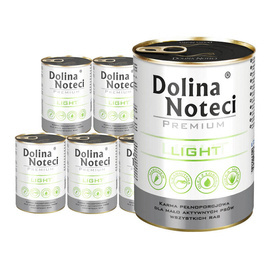
Dolina Noteci Premium Light Wet Dog Food for Overweight Dogs, 12-Pack (400 g each)
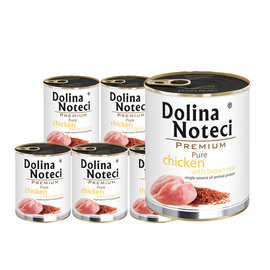
Dolina Noteci Premium Pure Wet Dog Food for Dogs with Allergies—Chicken and Rice Formula, 6-Pack (800 g each)