Diarrhea in puppies – how to deal with it?
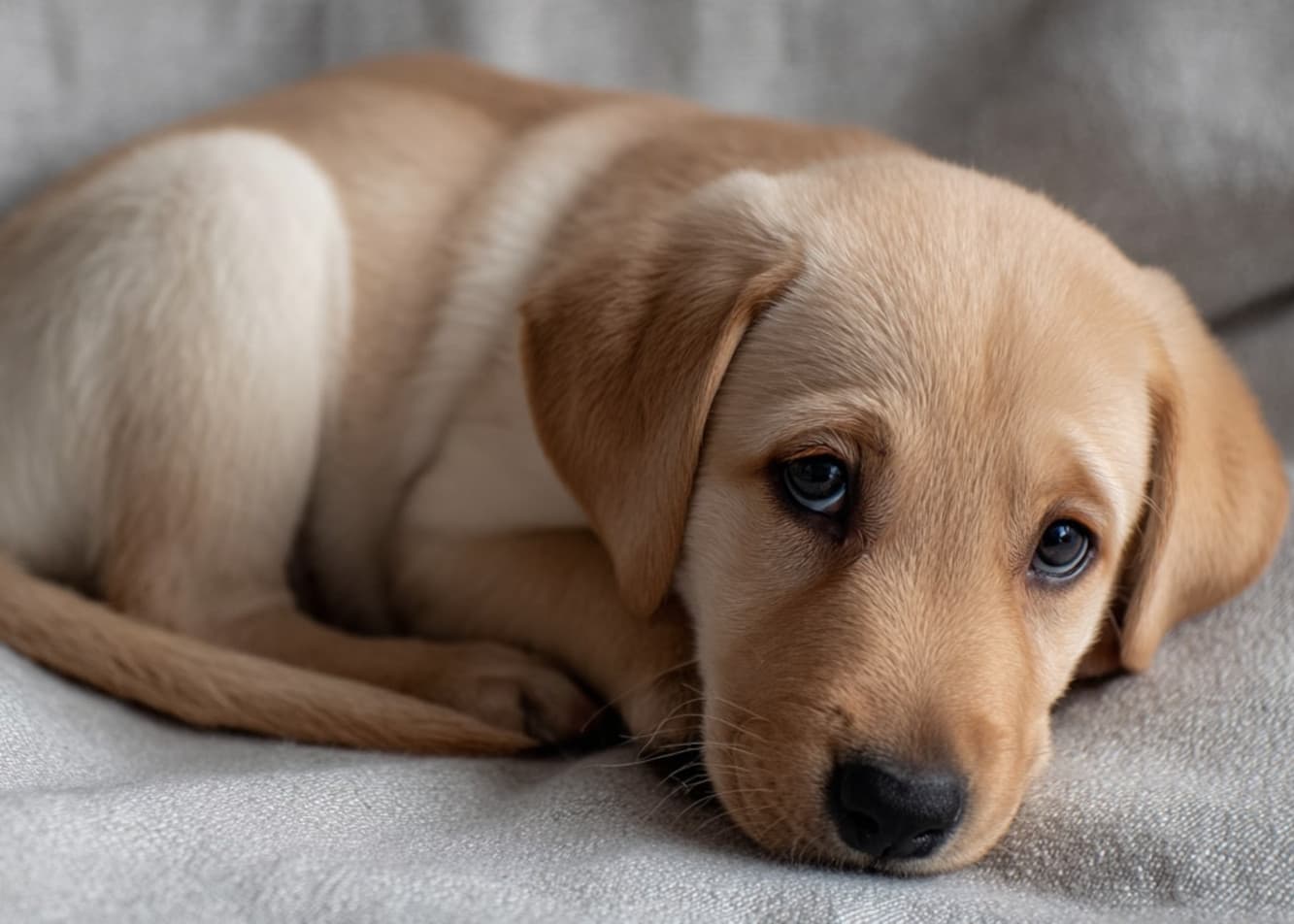
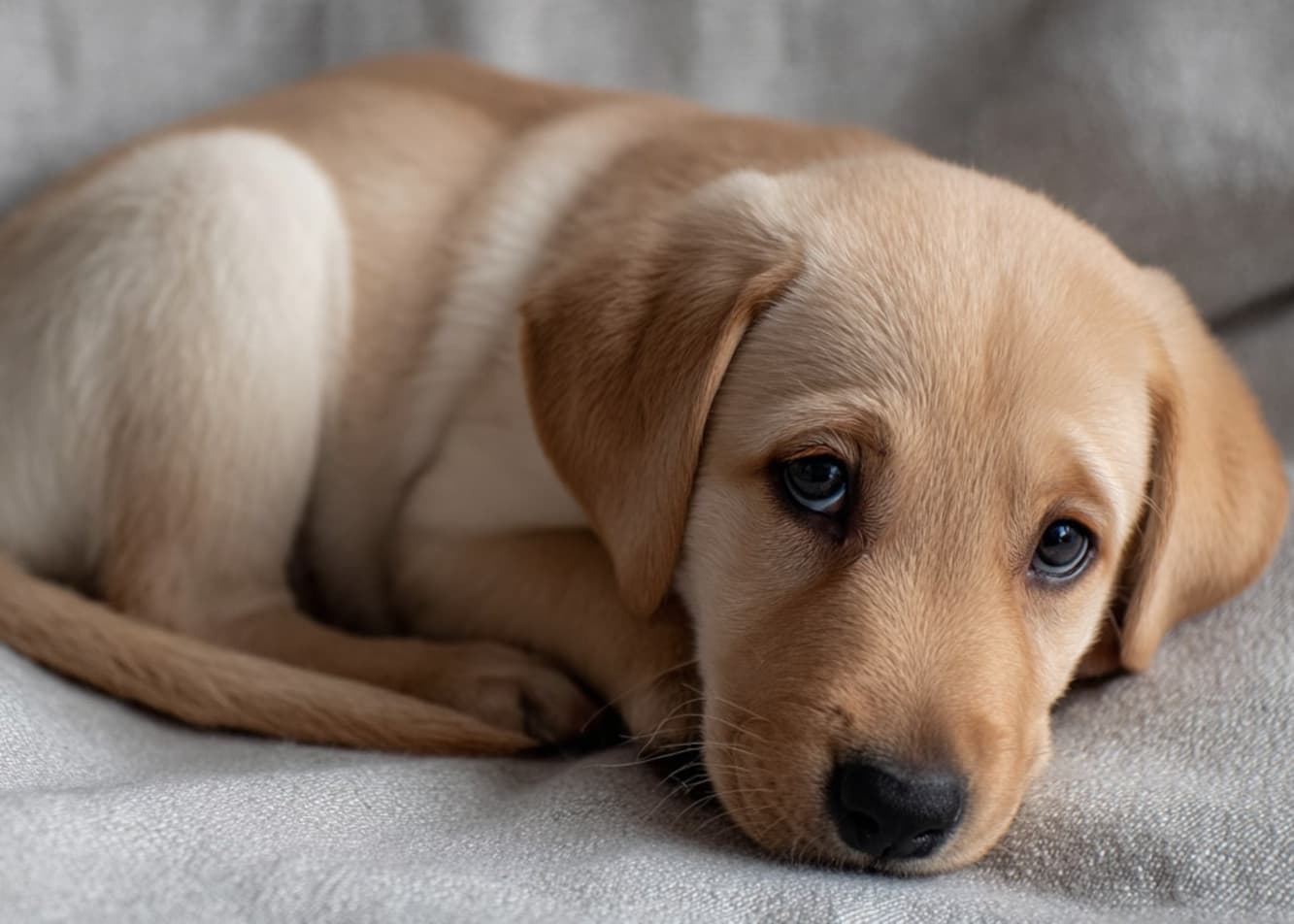
A young dog’s sensitive and still-developing digestive system is very easily upset, even by seemingly minor changes in diet, environment, or daily routine.It’s no wonder, then, that diarrhea in puppies is one of the most common problems new owners face.
Seeing your pet act lethargic and weak is cause for concern, especially if the puppy has diarrhea that persists for a long time and shows no signs of improvement despite the measures you've taken.Each subsequent failed attempt to help can increase the owner’s stress, raising questions about the cause of the problem, possible complications, and whether the dog’s condition requires immediate veterinary intervention.
Instead of acting on impulse, it’s a good idea to learn how to distinguish between mild symptoms and those that may indicate more serious conditions.In this article, we explain the most common causes of diarrhea in puppies, how to recognize dehydration, what to give them at home, and when veterinary care is necessary.
Table of Contents:
- The most common causes of diarrhea in puppies—from stress to infections
- How to Recognize Dehydration in a Puppy?Symptoms requiring immediate attention
- First aid for diarrhea—what to do at home before seeing a veterinarian
- What to feed a puppy during and after diarrhea?
The most common causes of diarrhea in puppies – from stress to infections
Gastrointestinal disorders in young dogs can result from a variety of factors—not always serious, but often requiring prompt action.Diarrhea in puppies after deworming is a common side effect of antiparasitic medications, which irritate the digestive tract and cause temporary loose stools.Another common physical reaction is stress, which can be caused by, for example, moving to a new home, separation from the mother, or adjusting to new circumstances.
Other causes of diarrhea in puppies include a sudden change in diet, consumption of inappropriate foods, contact with an infected animal, or a post-vaccination reaction—sometimes diarrhea in a puppy after vaccination is a sign that the immune system is reacting too strongly to the stimulus.A less common but concerning symptom is bloody diarrhea in a puppy, which requires an immediate examination at the vet’s office.
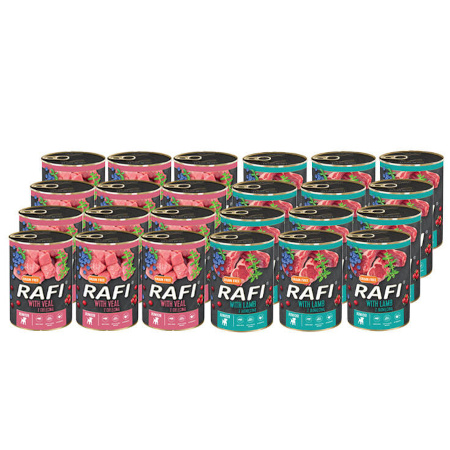
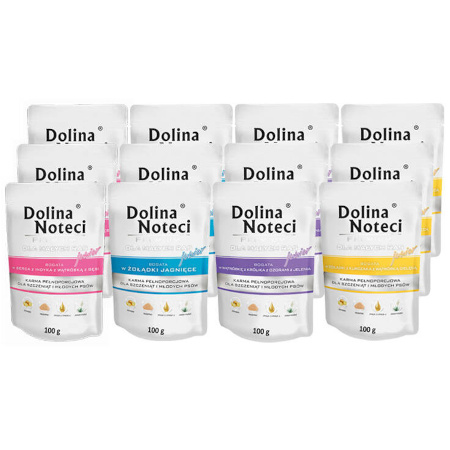
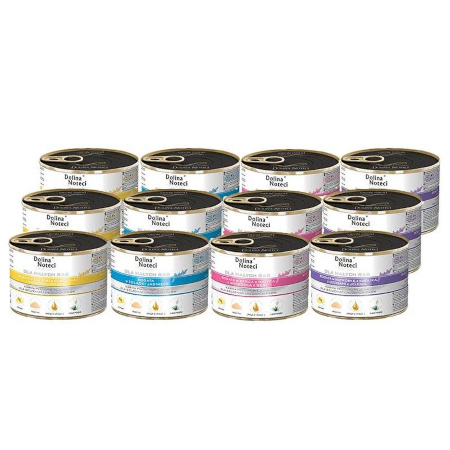
If you want to take care of your puppy’s digestive system from the very first months of life, a well-balanced puppy food can be a great help , which not only boosts immunity but also prevents adverse reactions to food ingredients.
| Cause of diarrhea | Associated symptoms | Recommended actions |
|---|---|---|
| Deworming | Temporary diarrhea, loss of appetite | Monitoring, ensuring access to water |
| Stress (e.g., moving, separation) | Nervousness, loss of appetite, apathy | A calm environment, patience, and a gentle diet |
| A sudden change in diet | Bloating, gas, diarrhea | Returning to the previous food, gradual changes |
| Consumption of unsuitable food | Vomiting, stomachaches | Contact your veterinarian; monitor the situation |
| Infections (e.g., contact with a sick animal) | Fever, lethargy, dehydration | A visit to the vet, diagnostics |
| Vaccine reaction | Brief bout of diarrhea, lethargy, weakness | Observation and consultation if symptoms persist |
| Bloody diarrhea | Lethargy, loss of appetite, dehydration | Urgent veterinary consultation |
How to Recognize Dehydration in a Puppy?Symptoms requiring immediate attention
Water and electrolyte loss occurs much more rapidly in small animals than in adults.Even a few hours of diarrhea in a puppy can lead to dehydration, which is a direct threat to its life.However, there are simple ways for pet owners to assess their pet’s hydration status on their own.
Symptoms to watch for include:
- sticky, dry mouth,
- sunken eyes,
- lethargy and loss of appetite,
- loss of skin elasticity – when you pinch the skin on the back of the neck, it slowly returns to its original shape,
- reduced urine output or an inability to urinate.
If any of the above symptoms occur, it is absolutely essential to consult a veterinarian immediately.A dehydrated puppy has diarrhea, which can become life-threatening if left untreated.
First aid for diarrhea – what to do at home before seeing a veterinarian?
When diarrhea occurs, it is crucial to act quickly and monitor the situation.The first step should be to withhold food for a few hours—a so-called fast—but only for dogs over 8.week of life. During this time, make sure your dog has access to fresh water and, if possible, give it electrolyte supplements.
For mild cases, it’s worth trying home remedies—rice gruel, boiled carrots, or pumpkin puree.Their ability to protect the intestinal lining may lead to rapid improvement.There are also products available at veterinary pharmacies that alleviate symptoms and restore the balance of the bacterial flora.If the puppy’s condition hasn’t improved after 24 hours and he still has diarrhea, a visit to the vet will be unavoidable.
What to feed a puppy during and after diarrhea?
Choosing the right foods plays a key role in the digestive system's recovery process.The diet should be easy to digest, high in soluble fiber, and low in fat.It is recommended that.in.:
- cooked carrots or squash,
- mashed potatoes (without milk or butter),
- oatmeal cooked in water.
Once the symptoms have subsided, it’s a good idea to gradually introduce a complete dog food formulated for young dogs.That’s why it’s important to know what you can give your puppy for diarrhea.The solution may be a specialized veterinary diet or high-quality dog food made from natural ingredients, which contains prebiotics, unsaturated fatty acids, and an appropriate level of protein.
Keep in mind that switching foods should always be done gradually—ideally over a period of 5–7 days, by mixing the new food with the old one.This will help us avoid upsetting the digestive system, which is particularly sensitive to fluctuations in young dogs.
Diarrhea in a young dog does not necessarily indicate serious health problems, but it always requires the owner’s vigilance.Diarrhea in puppies can have many causes—ranging from minor ones, such as stress or a change in diet, to serious ones related to infection, parasites, or a reaction to a vaccine.It is crucial to act quickly, monitor the symptoms, and—if necessary—consult a veterinarian.
A mindful approach to nutrition and hygiene is the best form of prevention.It’s worth remembering that even if your puppy has diarrhea, proper care will help him get back on his feet quickly.Make sure he's comfortable, choose trusted products, and don't ignore any signs that might indicate a problem.
Recommended