
Constant access to food for cats – the pros and cons of this approach
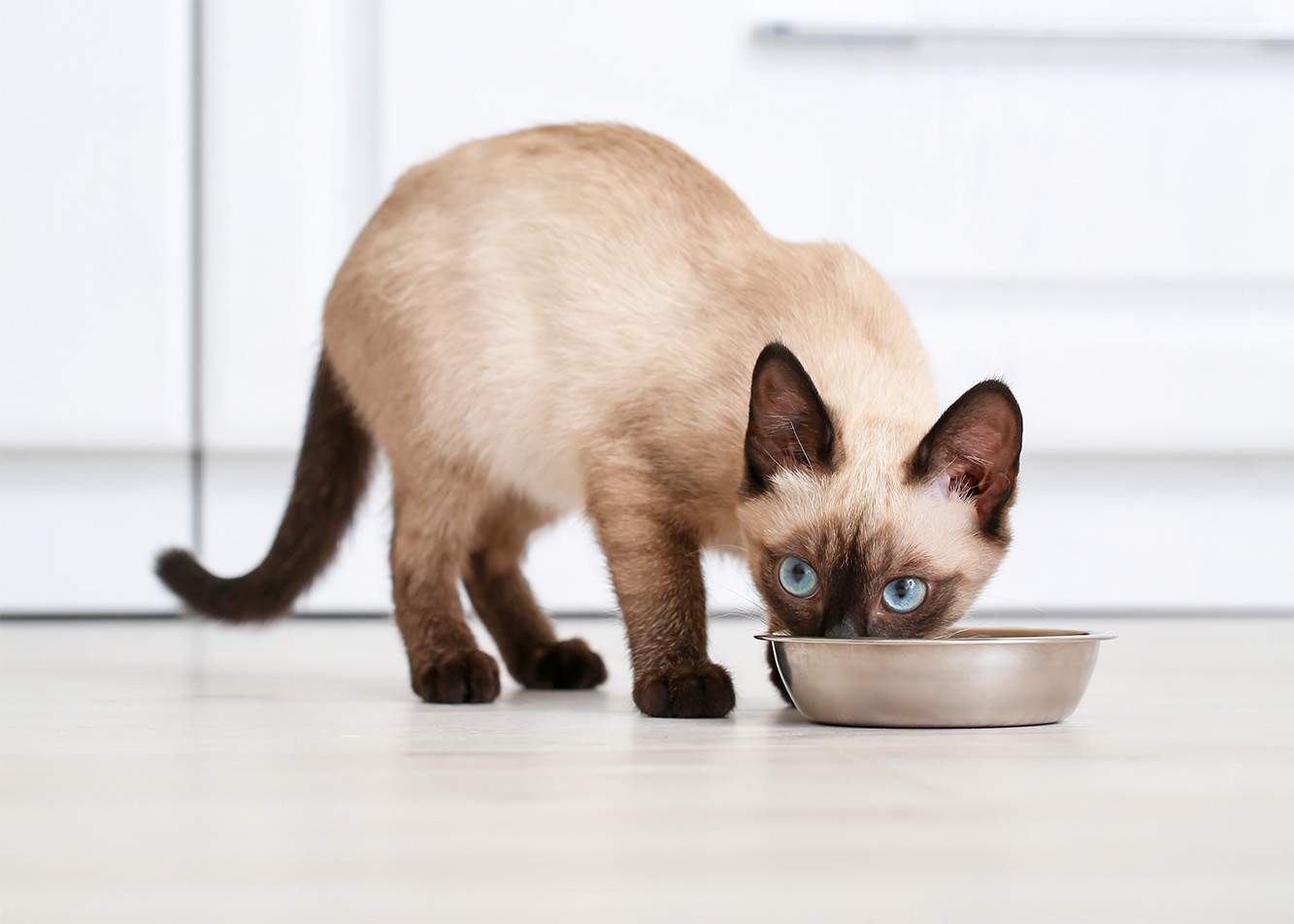
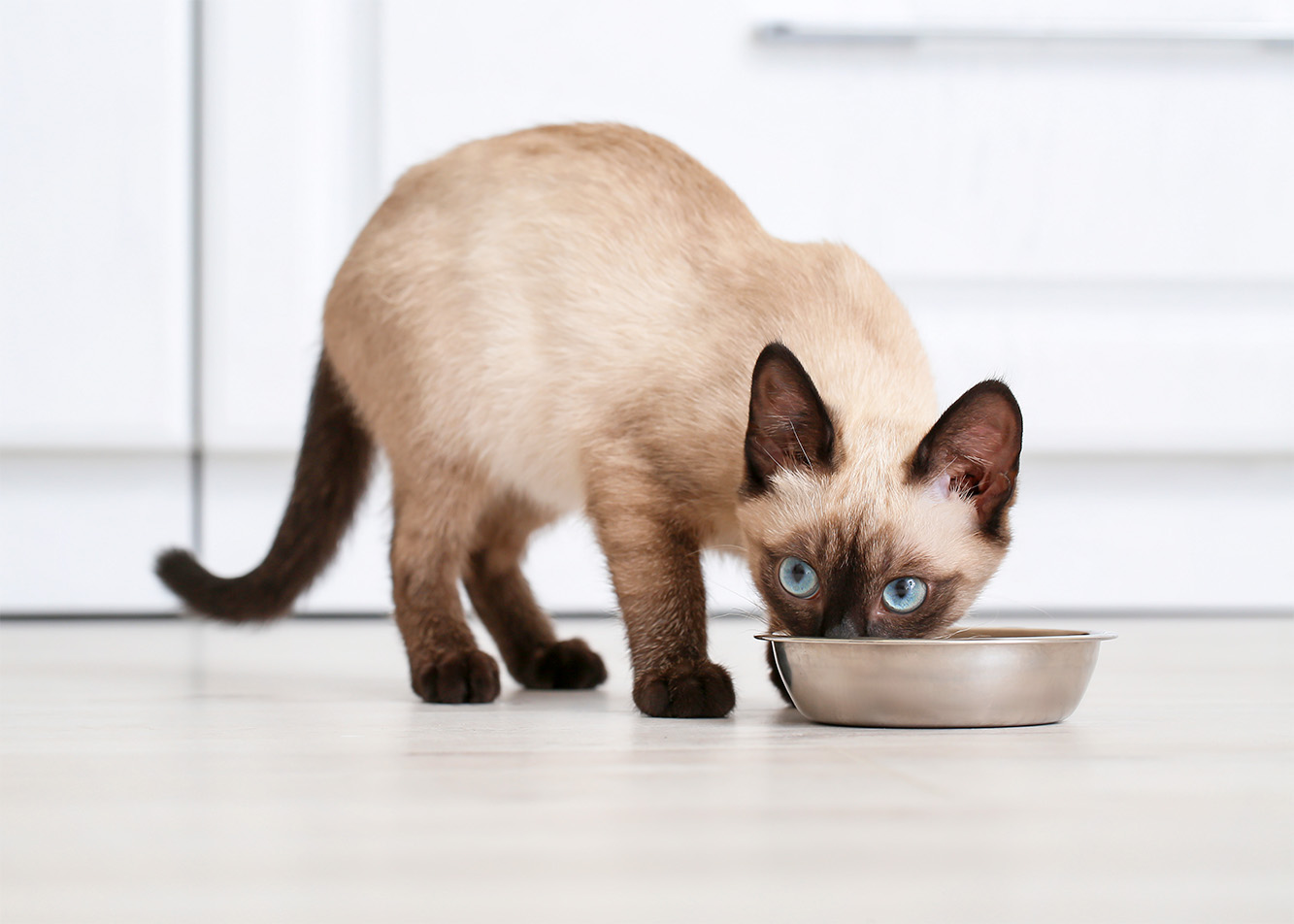
When a pet owner is looking for information on how to feed a cat properly, they may come across a lot of conflicting advice.Some sources recommend strictly measured portions at specific times, while others advocate for free access to the food bowl throughout the day.Let's focus on the second case.We're talking about ad libitum feeding, which means giving your cat constant access to food.
Is this type of diet really a good option for every cat??Let's take a look at its pros and cons and when it's worth using.
How cats eat in the wild?A cat's natural diet and hunting instinct
Although cats are adorable animals with soft fur and a delightful purring ability, we must not forget that they are small predators—skilled hunters who, in the wild, obtain food by hunting and killing animals smaller than themselves.
Depending on where they live, a cat’s diet can include as many as 70 different species of animals—ranging from mammals and birds to reptiles and amphibians, and even insects.A cat's natural diet is therefore extremely varied, which allows it to meet all its nutritional needs.At the same time, this diversity protects the populations of individual species—the cat does not focus on a single type of prey, which prevents its complete extinction.
This phenomenon is known as neophilia, or a fondness for a varied diet.Thanks to this, the wild cat is able to maintain a balance in its ecosystem while ensuring an optimal diet for itself.
A cat that has to hunt for its own food spends a significant part of the day hunting.Studies have shown that this small predator eats an average of 17 to 25 prey items per day.Such a high number of casualties is linked to a significant amount of movement and physical exertion.A cat must not only track down its prey, but also successfully capture and kill it—and that requires energy.Especially since, statistically speaking, only about a quarter of cat attacks are successful.This means that in order to eat 25 meals a day, the average cat must make as many as 100 hunting attempts!
The high energy expenditure associated with this, along with fluctuating environmental conditions, temperature fluctuations, and the reproductive activity of unneutered animals, mean that in the wild, cats are generally lean and experience a mild sense of hunger almost constantly.So if the animal isn't sleeping, it's usually looking for food while patrolling its territory.
And how does it work at home??Well… the situation here is completely different.
The Whole Bowl Diet – What It Is and Who It's For?
In a domestic setting, cats are active for significantly fewer hours per day than their wild relatives.Even if your cats are playing, running around, patrolling the apartment, or interacting with each other, the amount of energy they expend can’t compare to the exertion of a cat living in the wild.
Indoor cats don’t need to hunt, the temperature remains stable, and most are spayed or neutered, which further reduces their energy requirements.The problem is that their hunger center works exactly the same way as it does in wild cats—and that can lead to trouble.
The search for food is a natural bodily need.There are two opposing mechanisms at work in the brain: the hunger center and the satiety center.The latter activates during a meal and continues to work for about 15 minutes after it ends.The rest of the time, the hunger center is active, motivating us to seek out food.
What this means in practice?Most cats are unable to regulate their food intake on their own in a way that keeps them within the limits of their actual daily caloric needs.Having constant access to their food bowl becomes an easy source of pleasure for them, a way to stave off boredom, and sometimes even a way to lift their spirits.This is a sure path to being overweight, obesity, and related health problems – m.in.diabetes or orthopedic problems.
In general, it is not recommended to feed adult, healthy cats on a free-feeding schedule.However, there are exceptions where this model is recommended:
- kittens and young cats during their period of rapid growth (usually up to 12.months of age),
- pregnant, postpartum, and nursing cats,
- older cats that are underweight,
- animals weakened by illness, in the process of recovery.
In such cases, allowing the pet to eat whenever it feels the need is not only advisable but essential for the proper functioning of its body.However, once the kitten has grown up, the mother cat has finished nursing her kittens, and the sick pet has recovered, it’s a good idea to switch to a different feeding regimen.
How to feed your cat every day?
In a home environment, a healthy adult cat should have set feeding times—ideally 4 to 6 meals a day.Many cats feel the need to eat at night or in the early morning.To make this possible, it’s a good idea to get special time-programmed bowls that open at a set time.This solution also works great in homes where caregivers are away for most of the day—it ensures that meals are served regularly even when they are not there.
Within a 24-hour period, a cat should be fed an amount of food that meets its daily caloric needs.They are determined based on the animal's weight, age, lifestyle, and individual needs.If the pet owner is unable to determine this value on their own, they should consult a pet nutritionist.Keep in mind that your cat must also have constant access to fresh water, even if its diet consists mainly of wet food.
You can add variety to their diet with treats, preferably made from 100% meat (dried or freeze-dried).You can occasionally feed your pet a supplemental food, but it should not form the basis of their diet, as it is not a complete food and does not provide adequate amounts of nutrients, vitamins, and micro- and macronutrients.If your cat likes raw meat, you can give it small portions (about.25–30 g) 2–3 times a week, as a supplement to the basic diet.
This feeding regimen will not only help ensure your pet’s good health, but will also significantly reduce the risk of obesity—a condition that, unfortunately, is a widespread problem among modern domestic cats.
Not just what, but also how—the key to feeding your cat a healthy diet
As the text above shows, it’s not just what we feed our pet that matters, but also how we do it.After all, the composition of a diet is just as important as the way it is served.And although in the wild cats eat differently than in the model described above, in a home setting, a system of regular, small meals served at set times often proves to be the best solution.This feeding method supports your pet's health and well-being.
Author: tech.wet.Małgorzata Biegańska-Hendryk