
Common mistakes in dog training
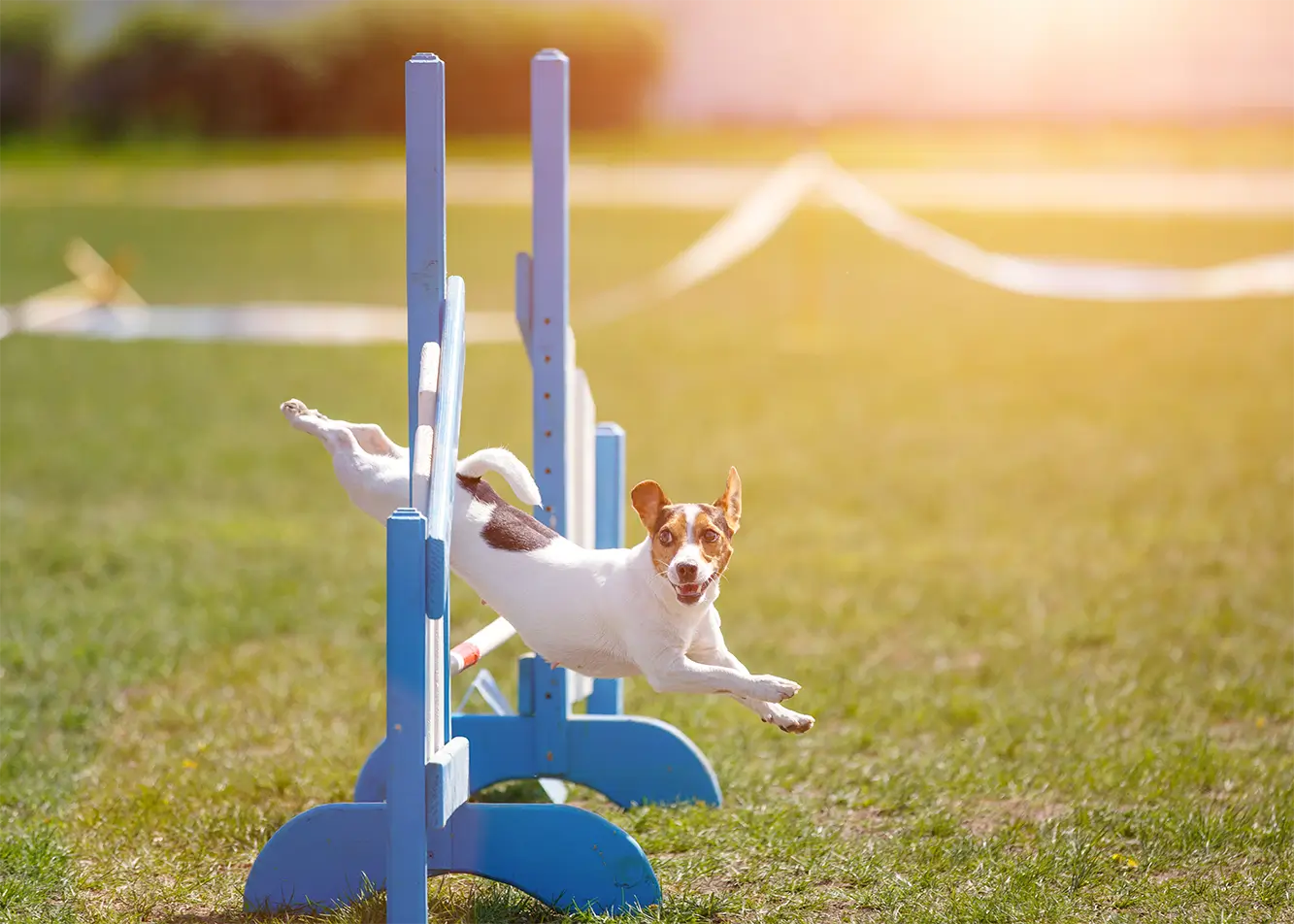
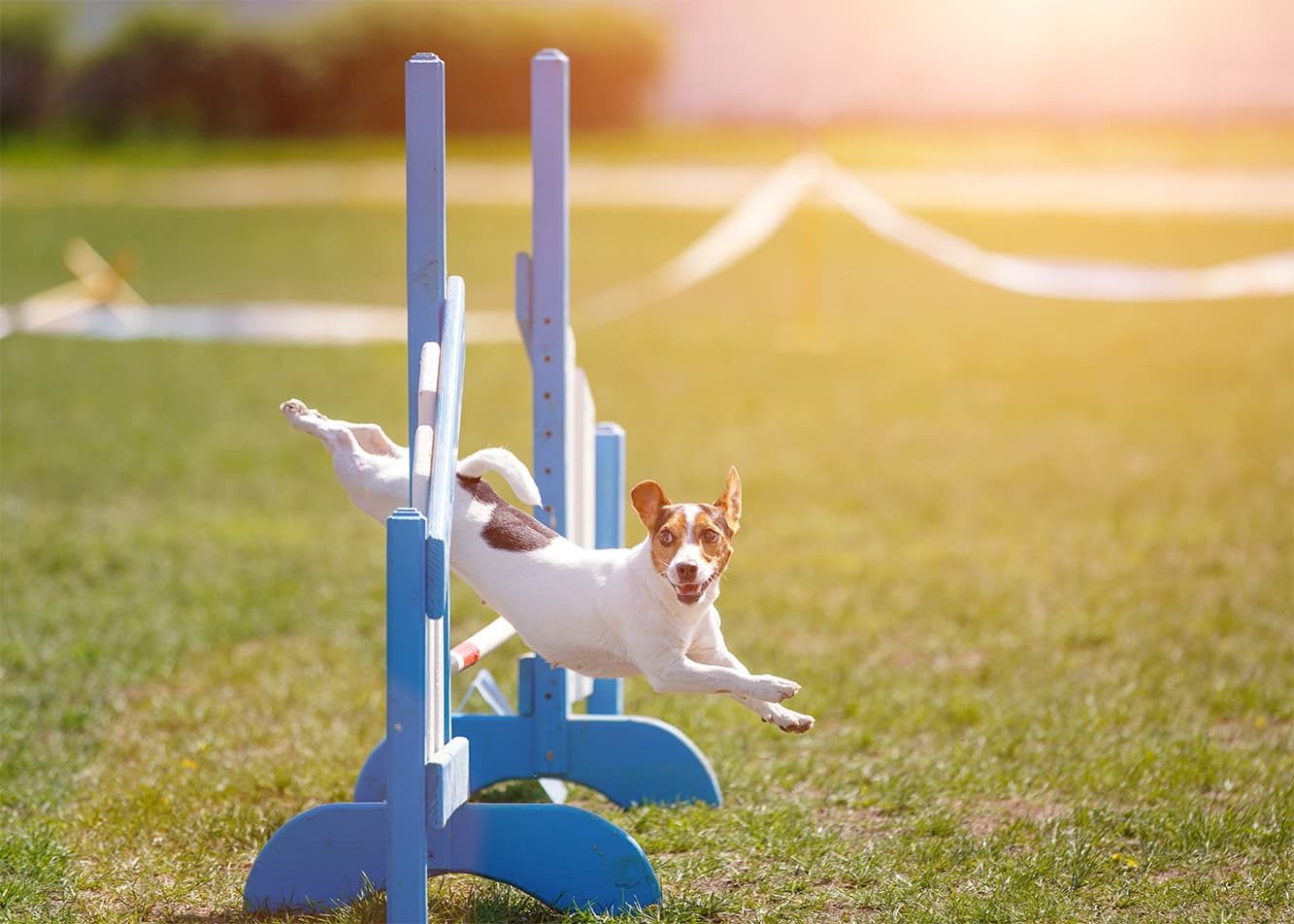
Training with your pet is a great way to spend time together!Not only do we strengthen our bond and provide mental stimulation for our dog, but we can also teach him many useful skills.However, for our joint efforts to yield the desired results, we should make sure to make as few mistakes as possible.Frequent misunderstandings can lead to frustration, which in turn can develop into mutual aversion to this type of activity!
So, what should we be on the lookout for??What should we avoid and what should we pay attention to in order for our workouts to actually produce the desired and satisfying results??
No plan
One of the most common mistakes is failing to plan a training session.When working on a particular skill, we want to achieve the desired result as quickly as possible.We expect more and more, and we're raising the bar faster and faster.We don't set small goals for ourselves, and we don't break down a given exercise into steps.All of this leads to misunderstandings and frustration for the dog, which in turn makes us feel discouraged as well.
So, if you want to teach your dog something new, let’s break the exercise down into individual steps.Let's plan, step by step, how we want to accomplish this exercise.And when we encounter a challenge, let’s be flexible and adapt our plan to our dog’s current abilities.
Lack of consistency
Sometimes an idea and a plan aren't enough, because we lack consistency.Sometimes tasks are done well, but every now and then there are slip-ups, and a particular task isn't done the way we'd like it to be.For example, when we teach a dog the command "sit," we introduce it by repeating it five times.After four repetitions, the dog performs the "sit" command perfectly, but on the fifth try, he lies down, and we reward him for that as well.This is a mistake because we are teaching the dog that the command “sit” does not mean the sitting position, but rather various behaviors; thus, this lack of consistency makes it difficult for us to work through the subsequent stages of the exercise.
That is why it is very important to know how to "reset" the exercise.If our attempts aren't perfect, we repeat the action again—until we get it right—so that the dog performs the exercise correctly every time.
Adding entries too quickly
Another mistake is giving verbal commands right away, when the dog doesn't yet know what to do, but we're already naming it.Our word then means everything and nothing.This is a surefire way to cause confusion and undermine the learning of verbal commands.
To introduce a new command, we must first teach our pet the desired behavior through guidance, shaping, or imitation.Only when we have achieved a high level of repetition do we introduce a word that names the action.In accordance with the principle: we only name behaviors that have been identified and are desired!
Workouts that are too long
Effective planning also involves adjusting the length of the training session and the number of repetitions for each exercise.There’s no one-size-fits-all solution here; every dog is different, and each one needs a different amount of training time.One person might do dozens of reps of a single exercise and still feel like it’s not enough, while another might get bored after just five and want to try something new.
To eliminate this problem, careful observation is essential.If you notice that your dog is getting bored with the training and is performing the repetitions more and more slowly, that’s a sign that the session is going on too long.In that case, it’s a good idea to take a break and try a different exercise, and if you’re still not feeling motivated, just call it a day.Let’s keep that in mind and do fewer reps and a shorter session next time.
Poorly chosen prizes
It is important not to work with a dog that is full or, conversely, very hungry.It’s true that a hungry dog is more motivated because it wants to get food, but we also need to keep in mind the concept of demotivation.A dog that is too hungry may be more frustrated and less focused on the exercise, which will disrupt the training.
Here, we need to keep an eye on our pet.There’s no single “right” approach; you have to figure out the best training plan through trial and error.
We need to remember that the more difficult or longer the exercise, the better the reward should be and the longer it should last.This will make even the most challenging tasks more fun for your dog.
Summary
The training mistakes described here are among the most common ones made when training a dog.However, caregivers should remember that those who do nothing make no mistakes.Mistakes happen, so let’s remember that each one is a learning experience not only for our pet but also for us.
Mateusz Glazik
dog trainer and behaviorist