
Cats and Houseplants – Managing Your Indoor Garden

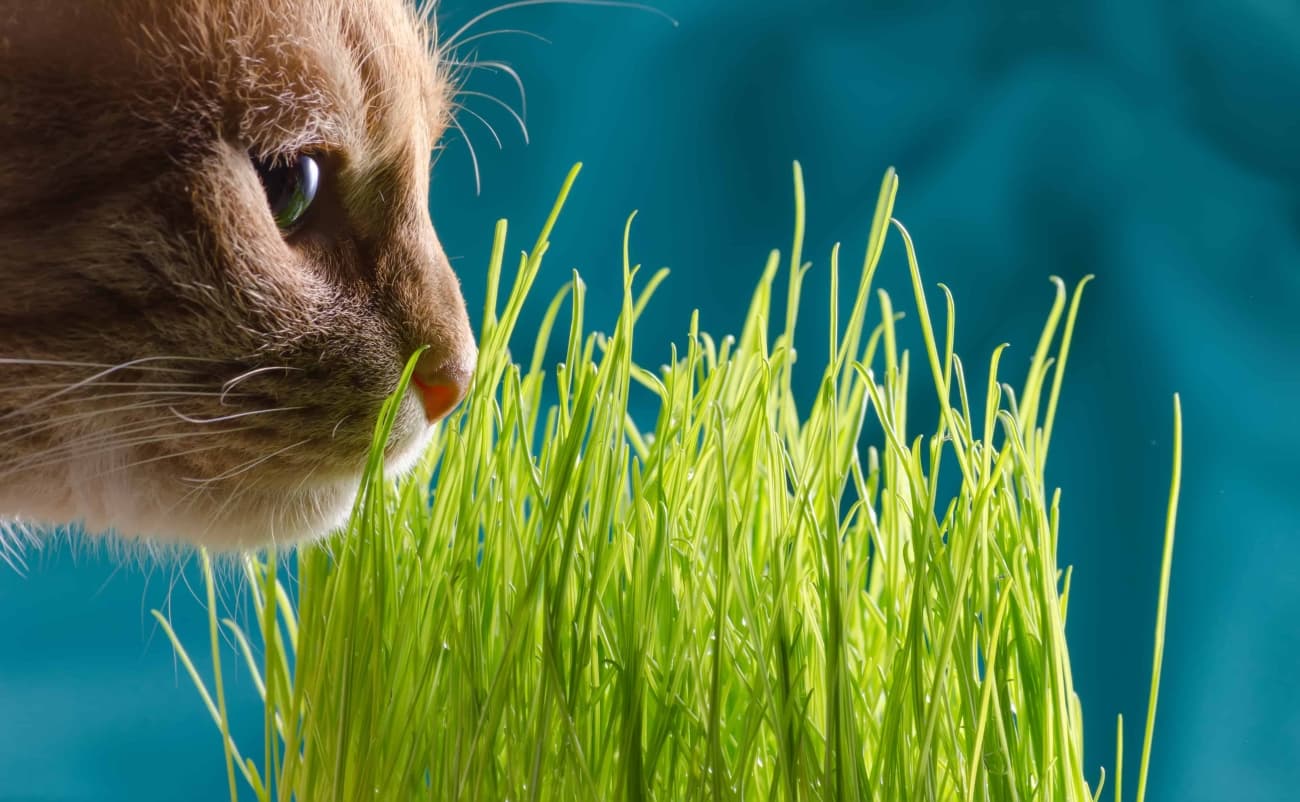
When we share our home with a feline friend, we have a responsibility to ensure their safety.With such a lively, curious, and ever-present pet, there are really quite a few things we need to keep in mind.This includes.in.The issue of houseplants and their impact on our pets.If you have a cat at home, you’ve probably seen it try to nibble on the petals of flowers within its reach.This is perfectly normal behavior, but pets can't instinctively tell whether a particular plant is harmful to them.Unfortunately, some popular houseplants can cause allergies or even severe poisoning in pets.You have to be very careful to make sure your pet doesn't come into contact with them, because it could end badly for him.So be careful—some species can be poisonous to cats and even life-threatening.
Cats and Plants Under One Roof
Many cat owners admit frankly that ever since these little predators moved into their homes, they’ve had to give up their gardening hobbies.After all, many cats are real destroyers of potted plants—and not because they want to upset us humans.It's just that a large group of cats and flowers don't get along.
- Chewing on plants – this is the most dangerous behavior for our pet.It turns out that many ornamental plants are toxic if ingested and can cause a variety of unpleasant symptoms.Some of them are so dangerous that they can actually cause permanent damage to the body.
- Digging in plant pots – this behavior is characteristic mainly of young and curious animals, and may or may not be associated with an attempt to leave feces in the potting soil.The solution here is very simple: just place some large, heavy rocks on top of the planter to discourage the cat from engaging in this behavior.
- Knocking plants off shelves and windowsills – most often (though not always), this is not intentional behavior, but to some extent accidental.This is because potted plants often simply get in the way of a cat's freedom of movement!If they're sitting on the windowsill, they're taking up a spot from which the pet could have a perfect view of the outside world.Sometimes the flowers are also in the cat’s path; as the cat explores the space, it simply can’t squeeze past them, causing the plant to end up on the ground.And really, in many cases, there’s no ill will involved—the cat just thinks it’s more important!
Common plants that are dangerous to cats
The list of plants that are dangerous to cats is very long, and it might seem that having a cat at home means no plants.Fortunately, that’s not true.You don't have to give up on having plants in your home entirely.We've put together a list of flowers that are safe for cats—there are quite a few of them.Some of the most common toxic houseplants include.in.: Aloe (some varieties), Azalea, Ivy, Cyclamen, Dieffenbachia, Dracaena, Ficus, Philodendron, Geranium, Poinsettia (Poinsettia), Sansevieria (also known as Mother-in-Law's Tongue), Spathiphyllum, Schefflera or Zamioculcas but that's not all...
When thinking about cat safety, we must also keep in mind edible plants, as well as cut flowers or seasonal blooms that sometimes find their way into our homes.All bulbous plants are dangerous to cats, including those we use in the kitchen for cooking (such as chives, green onions, and garlic—these have a strong hepatotoxic effect).Cats should also not come into contact with grapes (or any part of them) or raisins.When it comes to cut flowers or potted plants, the following should be kept out of a cat’s reach: tulips, hyacinths, muscari, freesias, and lily of the valley (they are particularly poisonous)!) and lilies, which are the undisputed champions in the danger category—here, every part of the plant is poisonous, including the pollen that falls from the stamens!
When deciding to let your cat out into the garden or onto the balcony, you should also be careful and choose the right plants.Therefore, the threat could be m.in.hydrangeas, geraniums, growing outdoors azaleas and rhododendrons, the bulb plants mentioned earlier (especially lilies!) and lilies of the valley, as well as all varieties of ivy.Mistletoe is also mistletoe —both its leaves and berries—so it should be removed from the garden where the cat spends time.
Can a cat sense poison??
This is a very old and very false myth, based on the assumption that a cat can instinctively tell which plants are dangerous to it.
So what should you do if your cat eats a piece of a poisonous plant??You should contact your veterinarian as soon as possible to take the necessary steps.It may turn out to be nothing more than mild nausea or diarrhea, but such a situation should never be taken lightly.And it’s best to avoid it altogether by keeping only plants in the house that are safe for our pets.
Plants that are safe for cats—both garden and houseplants
Contrary to what you might think, the list of plants that are safe to keep at home is quite long.It contains m.in.: Areca and Chamedora, a favorite among cats and often chewed on Zelistka, easy to propagate and maintain Trichosanthes, all varieties Peperomia, Calathea (including all variegated and colorful varieties), blooming beautifully in winter December Cactus, a cactus-like plant from South America popular in Poland known as Epiphyllum, very striking, hanging from the pot Rowley's Old Man (also known as “String of Pearls”) and the Potted bamboo.
But that's not all—there are also plants used in cooking that might interest our pets.These mainly include herbs such as: basil, dill, parsley, cilantro, rosemary or sage.
If you have a fenced-in balcony or garden that your cats can use, you can also create a space for them there with cat-friendly plants.You can therefore plant clumps of ornamental perennials, beautifully blooming and fragrant lavender, the very useful mosquito plant (which repels mosquitoes with its scent), and of course...catnip, which is a very striking plant.If you decide to place a pot of "cat grass" within your cat's reach, there are a few things to keep in mind:
- Always make sure you know what you're buying — this applies especially to potted plants sold under the name “catnip,” which isn’t always accurate.Plants with hard, sharp leaves are not suitable for this purpose, as they can cause poisoning in cats due to the toxins they contain.That is why we avoid plants in the Cyperaceae family!
- You can grow catnip at home yourself, using ready-made kits that include seeds and specially prepared soil.Just cover them with water, let them sit for a few days, and the grass should start to sprout.However, keep an eye on the process—if there is too much moisture in the soil, it can start to mold, and then the plant is no longer suitable for your cat.
- Or maybe some grain? - Absolutely!You can plant grain seeds (any kind) or just grass for your cat using a regular flower pot with soil.However, it is best to choose organic grains for this purpose, free of biocides and other chemicals.
A cat's fondness for plants
Cats are very interested in plants and literally won't leave them alone.Others can ignore their houseplants for a long time, and then suddenly pounce on them like a goat and try to gnaw them down almost to the ground.Why is that happening??Well, cats just follow their instincts, and the potted plants in our home can help them do that.
Plants do not serve as a source of nutrients in a cat’s diet: cats do not eat them to fill themselves up, because plants contain nothing that a cat’s body can easily utilize.The digestive tract of a small predator is unable to digest long-chain carbohydrates of plant origin.What's more, cats have evolutionarily lost the ability to detect the sweet taste, which in nature is precisely the taste...plants!So their desire to eat leaves or stems stems from a different reason.
Gnawing on plants usually serves to cleanse the digestive tract—plant fibers help cats get rid of hairballs, which they swallow while grooming.Such a "lump" can be expelled in one of two ways: either in the stool or through vomiting.These, in turn, occur at highly individual rates—some cats shed their undercoat every week, while others shed it only once every 6 to 12 months.
Ensuring safety in a cat's home is very important.To keep your cat safe, choose your houseplants carefully.Avoid flowers that are coated with chemicals (pesticides)—eating them can lead to serious health consequences.Instead of artificial substances, use natural ones that aren't toxic.
CAT BEHAVIOR EXPERT
Małgorzata Biegańska-Hendryk