
Cat rituals – how does a routine affect your pet’s sense of security?
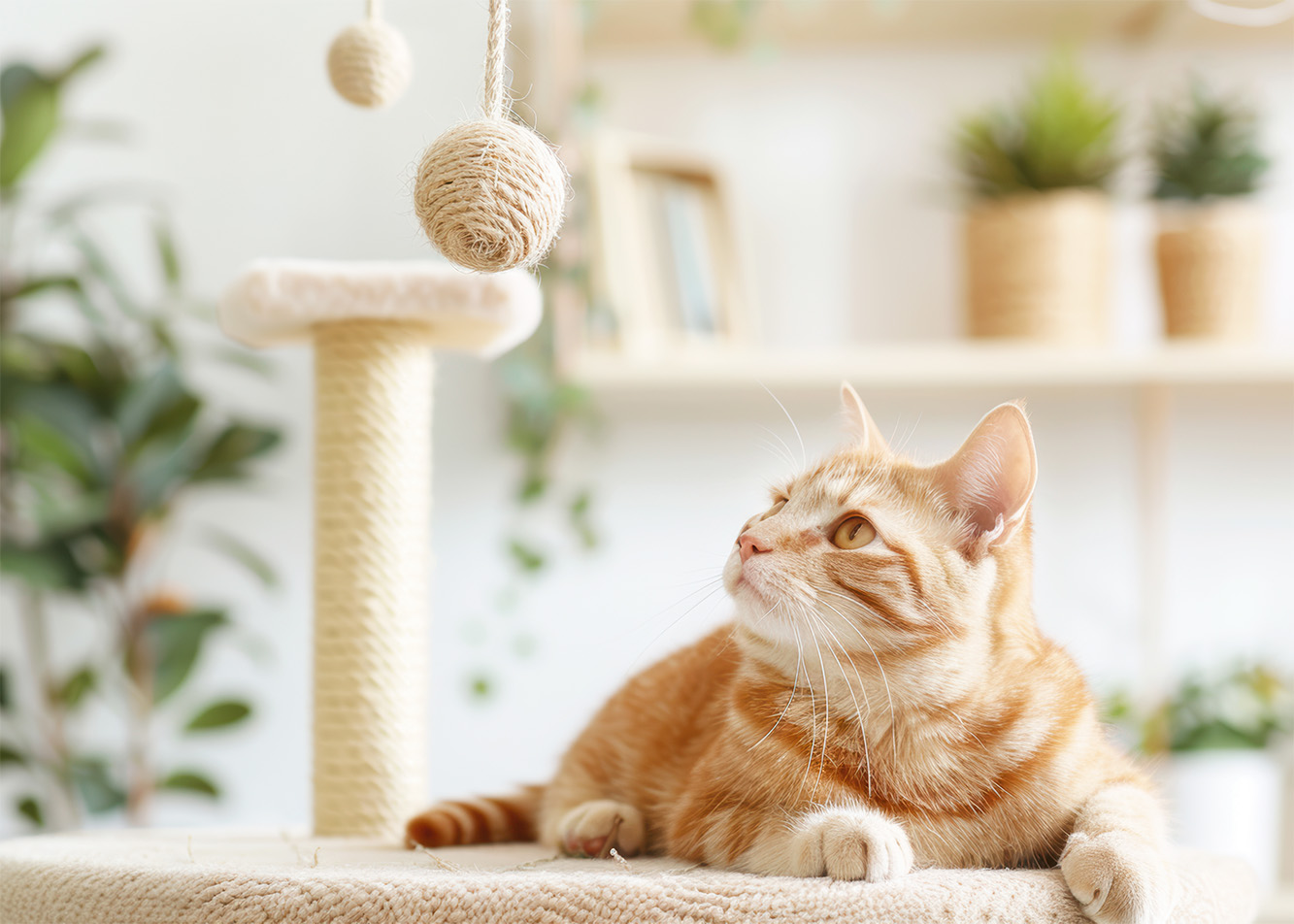
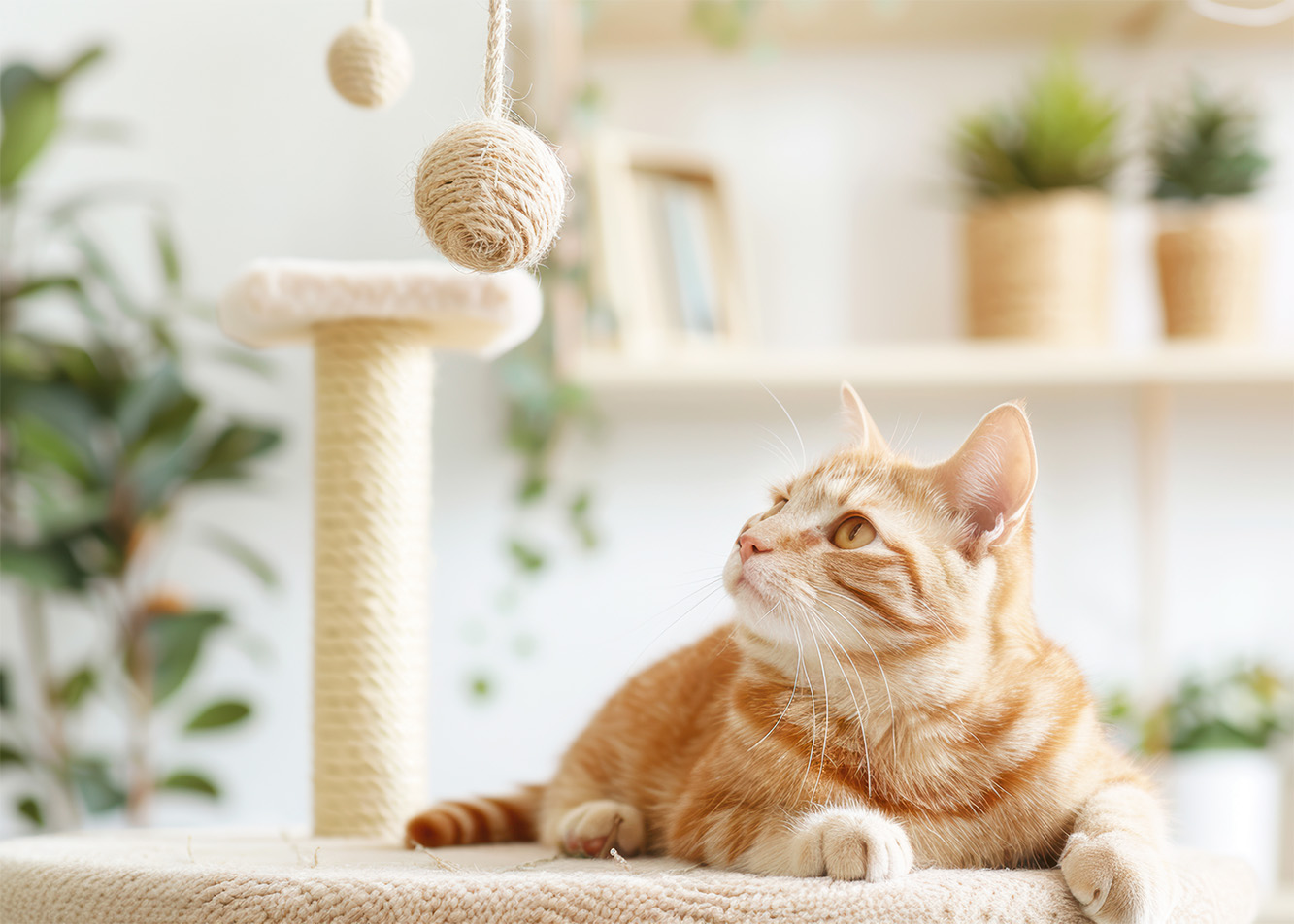
How cats approach their daily routine?Does routine play an important role in their lives??How do they react to change—do they accept it, or do they tend to avoid it??What if it's the change itself that's having a negative effect on them??If you'd like to learn how a daily routine affects your cat's daily life, we encourage you to read on.
Habit is second nature to a cat?
Cats are animals that, for the most part, appreciate a well-ordered world.This stems from a simple fact: what is repetitive is predictable, and therefore poses no threat.That is why many cats place great importance on their daily routine and a consistent schedule.When this familiar and safe routine is suddenly disrupted, a cat’s world can literally be turned upside down.
Many cat owners have probably noticed how important a set daily routine and consistent household habits are for their pets.Changes in daily routines, such as switching to remote work, having more family members at home, or changes in work schedules, often affect animals' behavior.For cats that value quiet, solitude, and routine, any disruption to these elements can be a source of stress, leading to changes in behavior.
It doesn't take much for a cat to feel the effects of a disruption to its daily routine.All it takes is for the caregiver to start working shifts or change their daily hours at home.Such changes can affect a cat’s daily rhythm, and cats need time to adjust to new conditions.
Another very common change that a cat may have trouble adjusting to is the arrival of a new pet, child, or partner in the home.The pet’s current lifestyle and the way it spends time with its caregiver—who has been its sole companion up until now—are changing.And then suddenly they have to share—which is hard for many pets to accept.That is why the process of socialization should proceed slowly, in stages, while respecting the needs of the resident cat, whose world is literally being turned upside down in an instant.
Change and medical symptoms and behavioral problems
For some animals, a disruption to their usual routine can be so stressful that it leads to physical symptoms of illness.This is the result of severe, often chronic stress, which can have an extremely destructive effect on the body.One of the most common stress-related health problems in cats is idiopathic cystitis (.FIC) – a condition that is extremely painful, debilitating, and difficult to treat.A key component of the therapy is eliminating the stressor and...getting back into a routine.This perfectly illustrates just how important order is in a cat's life.
Other problems that may arise as a result of sudden chaos in a cat’s environment include.in.: vomiting, diarrhea, excessive licking or scratching of the fur, the development of compulsive disorders, as well as behaviors such as urinating and/or defecating outside the litter box, social withdrawal, lack of interest in play, irritability, and in extreme cases—contact aggression.
How to Establish a Routine for Your Cat?
Contrary to what it may seem, it's not difficult at all.The first step a caregiver should take is to carefully observe (and ideally also record) the cat’s daily routine.It is important to determine not only what the animal does at different times of the day, but also where it does it.It's about.in.to identify favorite places and times for naps, mealtimes, and periods of increased activity (e.g., in the morning, in the evening, or after the caregiver returns from work).All of this information will help you create a plan for establishing a routine.
The second step is to determine your cat’s preferences regarding physical activity and social life.In short, you need to figure out what your pet likes to do and who it needs to do it.Is a specific family member or pet necessary, or is any kind of company enough??Or perhaps the opposite is true—the cat prefers to play alone and sees other creatures as rivals?
We use the insights gained from these observations in the third step—we try to align our daily schedule with our cat’s rhythm so that we can identify consistent, recurring elements around which to build daily routines.These could include, for example:
- Regular mealtimes– A cat kept indoors should be fed at least four meals a day, consisting of wet, high-meat-content, balanced food.
- Short play sessions at set times– just 5–10 minutes a day is enough to get your pet used to waiting for playtime together after a few days.It is important that this take place in accordance with the principles of the so-called hunting chain, in a calm environment where the cat will not have to compete with other animals.
- A consistent grooming schedule– if your cat needs regular grooming, teeth brushing, or other care routines, it’s a good idea to establish them as a predictable ritual, ending with a tasty treat.This will make it easier for the animal to tolerate activities that aren't necessarily pleasant for it.
- Regular cuddle times, or “date nights” — this point is especially important for cats that are strongly emotionally attached to their owner.Even just a few minutes spent lying together on the couch, petting each other, or taking a nap can be a precious expression of their bond and love.
Is there no room for change in a cat's life??
Of course not!Change is a natural part of life—including a cat’s life—and cats can accept it, and sometimes even enjoy it.A small change, such as introducing a new toy, offering a healthy snack or a new flavor of cat food , and especially...Bringing a cardboard box home might be met with an enthusiastic reception.However, it is important that new features be introduced in a stable environment and in limited numbers—in keeping with the principle that “too much of a good thing is bad.”.
If your cat is particularly prone to stress and a major change is coming up in its life (such as a move, a long trip, or renovations involving new furniture), it’s a good idea to take steps in advance to ensure its comfort.Pheromone therapy and supplements that help reduce stress and tension may be helpful.When selecting the appropriate products, their dosage, and duration of use, it is best to consult a veterinarian or a behaviorist.The specialist will also offer tips on how to relieve stress in the moment and how to gradually restore balance, bringing back the much-desired peace—or "cat zen"—to your cat's world.
Author: M.Biegańska-Hendryk