
Cat flu
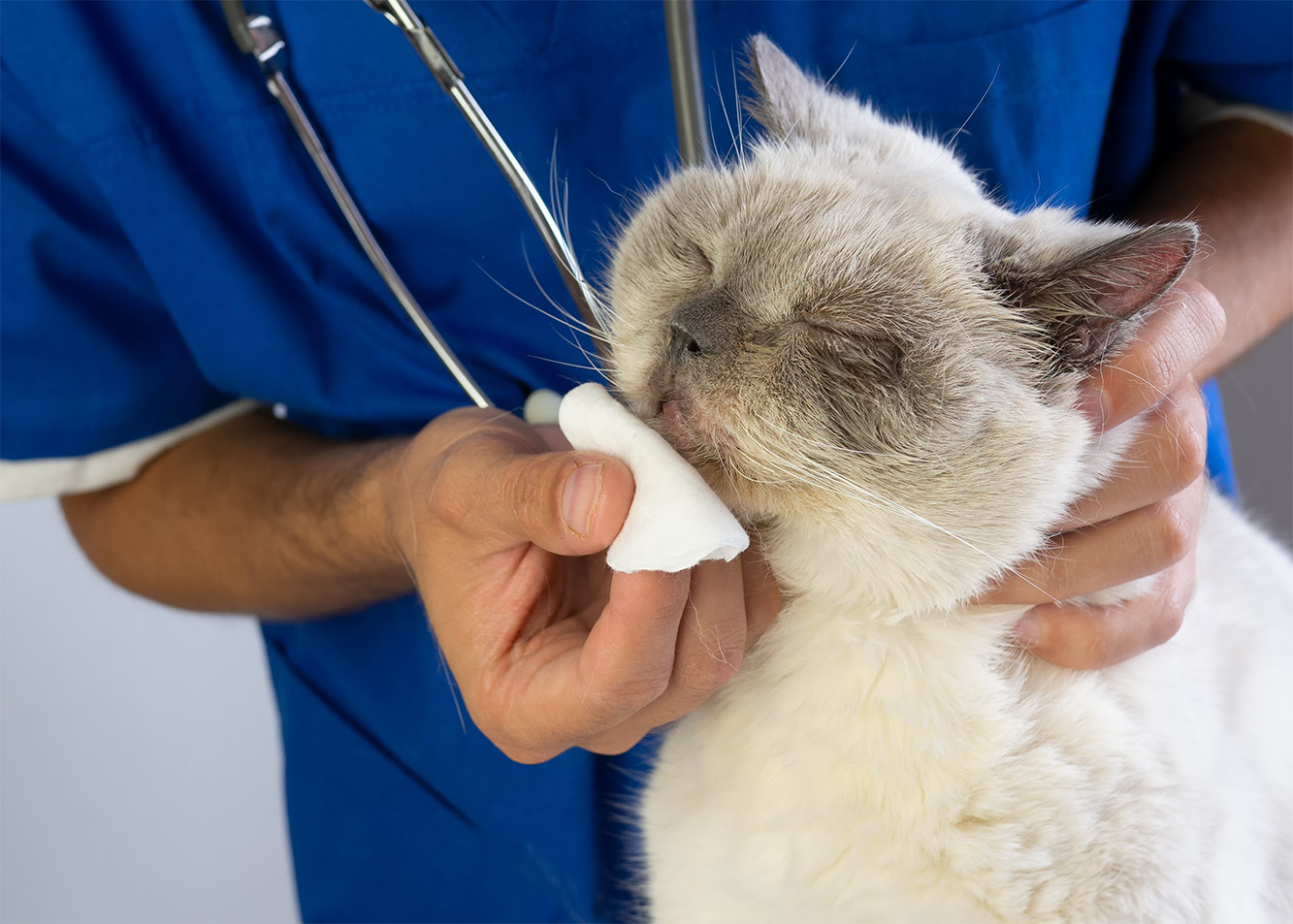

Cats are animals that are prone to many different diseases in the wild.This is a natural population control mechanism whereby weaker individuals die (often while still kittens), with the result that only the stronger animals reach reproductive age, and it is their genes that are passed on.However, when a cat is in human care, it is only natural that we help it overcome health issues.However, to do this as effectively as possible, we first need to have a clear understanding of what we're up against.
What is "cat flu"??
These two words refer to the common names for two basic viral diseases and the associated set of complications, which primarily affect the upper respiratory tract and the eyes.In both cases, untreated infections can lead to severe disability or even the death of the animal.Therefore, it is essential to accurately diagnose the condition in order to select the appropriate medical treatment.So let’s take a closer look at the root of the problem:
- Feline Herpesvirus – This is a disease caused by the presence of the FHV-1 virus in a cat’s body, which causes acute inflammation of the upper respiratory tract, mainly the nasal cavity and trachea.It can also lead to the development of severe conjunctivitis, which, if left untreated, can result not only in vision loss but also in the loss of the eyeballs themselves.The main symptoms include discharge from the eyes and nose, conjunctival swelling, coughing, breathing difficulties, lethargy, fever, and loss of appetite.
Once a cat has had herpesvirus, it usually remains a carrier of the dormant virus, which can reactivate when the body is exposed to factors such as m.in.a weakened immune system (including stress-related factors, both mental and physical). - Calicivirus– is the second most common upper respiratory tract disease in cats, caused by the FCV virus.It is estimated that as many as 50% of upper respiratory tract infections may be caused by this pathogen.There are many calicivirus variants that cause a wide range of clinical presentations—from nearly asymptomatic, through moderately severe cases primarily affecting the upper respiratory tract, to severe.Calicivirus is constantly mutating, which means that among the possible symptoms we can identify m.in.: sores on the mucous membranes (mainly in the mouth), joint swelling and pain, high fever, lethargy, loss of appetite, and extreme weakness.Often, the pain in the mouth is so severe that the cat refuses to eat on its own and must be fed specially prepared nutritional supplements.
As with herpesvirus infection, those who have recovered may continue to carry the virus.There have also been reports of asymptomatic shedding, which leads to the transmission of the virus from animals that have already recovered to young or immunocompromised individuals, potentially resulting in secondary infections in the carrier and further mutations that complicate treatment.
It is also important to remember that, in addition to viruses, upper respiratory tract and eye problems in cats can be caused by bacteria such as m.in.Chlamydia, Bartonella, Bordetella, and species of the genus Mycoplasma.There are also less obvious causes, such as staphylococci, streptococci, or even E..Coke.That is precisely why a properly conducted differential diagnosis is so important when making a diagnosis.
What to do if your cat gets sick?
First and foremost, you must not ignore any symptoms, even very early ones.These include m.in.:
- reduced activity,
- loss of appetite,
- clear discharge from the nose or eyes,
- a protruding third eyelid (i.e., a visible thick membrane that covers part of the eyeball).
Any of these symptoms should alert the pet owner and prompt them to take the pet to the vet as soon as possible.
Treating both conditions requires a carefully tailored treatment plan (often combining systemic and topical approaches, such as applying eye drops at appropriate intervals with the correct medications selected by an ophthalmologist), adequate support for the immune system, and monitoring of the patient’s condition by a physician.
Preventive healthcare
Unfortunately, animals of all ages and breeds are susceptible to infection with both the FHV-1 and FCV viruses.They often affect kittens that become infected transplacentally because their mother is a carrier.Outbreaks are also common in large groups of animals: animal shelters, rescue centers, outdoor cat colonies, and breeding facilities.Infection occurs mainly through droplet transmission, which is why the virus spreads quickly and the incubation period is relatively short (2 to 6 days for FHV-1 and approximately.(10 days).Although neither of these viruses can survive for long in the external environment, healthy animals can still “catch” them, for example, at a veterinary clinic.
This is why antiviral prevention is so important—it essentially comes down to following the vaccination schedule for the children in our care.It is estimated that in the cat population in Poland, approximately.60% of cats have been exposed to feline herpesvirus, and over 70% to feline calicivirus.Research conducted in the United Kingdom clearly shows that these two diseases are the most common viral causes of death in kittens up to 34 days old and account for 100% of deaths among newborn kittens.That is why vaccinations against these diseases (as well as the mandatory vaccination against the highly dangerous feline panleukopenia) are essential for the responsible care of cats—including those that stay exclusively indoors!The vaccination schedule and the type of vaccine used should be discussed directly with your veterinarian.
Summary
It is important to remember that proper preventive care, combined with vigilance and a prompt response to the first signs of a problem, allows us to effectively protect our pets, ensuring that cats remain in good health for years to come.For some pets, long-term supplementation to support the immune system may be necessary after recovering from "cat flu," which is also worth discussing with your veterinarian.One thing is certain, however—sick cats cannot be left without help.It’s therefore a good idea to keep your eyes and ears open, because the sooner we take action, the better our chances of successfully overcoming the illness.
