Cat Teeth Replacement — Everything You Need to Know!
Cats, like children, have baby teeth that eventually fall out and are replaced by permanent teeth.If your kitten is losing its baby teeth—don’t panic!It's a natural and completely normal process!Find out how to help him get through this difficult time!And should a cat’s teething and bad breath be a cause for concern??
When cats lose their baby teeth?
Kittens begin the process of losing their baby teeth at around 3 to 4 months of age. This is usually the time when baby teeth are replaced by 30 "adult" teeth.A kitten loses its incisors first, then its canines, and finally its premolars.
Teeth replacement in cats - symptoms
The process of a cat losing its baby teeth is a natural stage of development and lasts several weeks. While some kittens show no symptoms, others may be irritable and reluctant to be petted around the muzzle.All of this depends on many factors, such as the alignment of the teeth or the pet's pain tolerance.So what symptoms do pets have to deal with before their permanent teeth come in??
- Minor bleeding from the gums, which usually occurs when baby teeth are being pushed out by new ones.
- Irritated and slightly swollen gums.
- Shaking their head or rubbing against furniture or other objects to get rid of a loose tooth and relieve the discomfort associated with new teeth coming in.
- Excessive drooling caused by teething and sore gums.
- Loss of appetite – as a cat’s teeth change,the cat food it used to enjoy may no longer taste as good to it.So, during teething, avoid kibble and dry treats, and replace them with canned food.
How long does it take for a cat to lose its baby teeth??
The process of a cat losing its baby teeth happens relatively quickly.It usually ends around 6 to 7 months of age, though this isn't always the case. Some kittens may lose their baby teeth sooner, while others will take a little longer.
What is the process of tooth replacement like??
- Kittens are born without teeth.The first ones begin to grow between the 2nd and 3rd week of life.By the age of 6 weeks, they usually have a full set of teeth.
- Kittens lose their baby teeth at 3–4 months of age.At that point, the baby teeth are pushed out by the new ones, causing them to gradually loosen and fall out.
- The process is completed around 6–7 months of age, resulting in a full set of 30 permanent teeth: 12 incisors (6 on the upper jaw and 6 on the lower jaw), 4 canines (2 on the upper jaw and 2 on the lower jaw), 10 premolars (6 on the upper jaw and 4 on the lower jaw), and 4 molars (2 on the upper jaw and 2 on the lower jaw).
Did you know that:
The gums of teething kittens are susceptible to numerous infections that cause gum inflammation?The most common form is juvenile stomatitis, which is characterized by redness and a foul odor coming from the mouth.
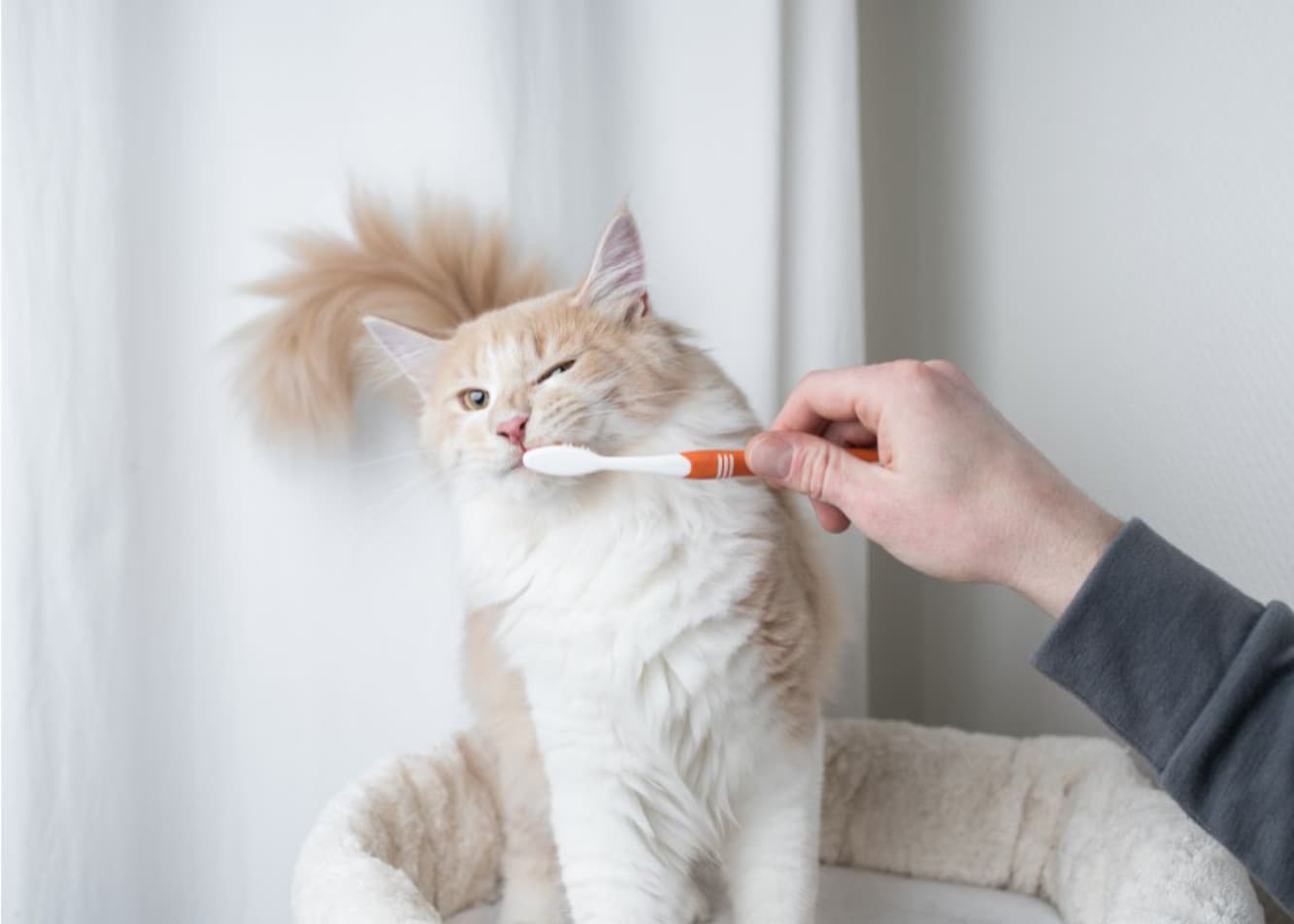
Remember!Hygiene is essential!Check your pet’s oral health regularly and use dental care products for cats , which will help keep their gums healthy and their teeth strong.
Teething in cats and diarrhea and vomiting
Teeth replacement in cats and diarrhea?Do these two processes have anything in common??As it turns out—no!A teething kitten should not experience diarrhea or vomiting. If this happens, it is necessary to visit a veterinarian for an examination.These symptoms may indicate an illness, poisoning, or other serious conditions that, if ignored, could lead to dehydration or even the death of your pet!
Teething in cats — how to help them?
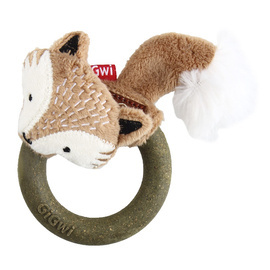
The teething process is unpleasant for many kittens.They experience discomfort, pain, and persistent itching.They try to relieve their discomfort by chewing on various objects.Furniture, chairs, sofas, and even the owner’s hands are often the victims of a cat’s teeth!If you notice that your pet is increasingly choosing your hands as something to chew on, don’t ignore it thinking it will pass soon; instead, take action!Cat toys designed for chewing and biting can be helpful: .Made from soft, rubber-like materials, they are safe for your cat’s mouth, and their contoured design helps exercise the jaw muscles and alleviate the symptoms of teething.Give them to him whenever you see him starting to chew on things he shouldn't.
During a cat's teething period, loss of appetite is a fairly common occurrence.This is because many cats have trouble eating dry food.You can therefore switch from kibble to wet, easy-to-chew canned food to reduce the discomfortthey experience while eating.Wet food has a texture more similar to meat and also contains more water, which helps prevent dehydration.What's more, it's easier for kittens to eat while they're teething and gentler on their sensitive gums.
It’s a good idea to choose kitten food labeled as “delicate,” “soft,” “for small cats,” or “for kittens.” Such foods typically contain carefully selected ingredients that support oral health and provide all the essential nutrients for their proper development.
Remember!
Never give your cat pain relievers intended for humans!Paracetamol or ibuprofen could be dangerous for him and could even lead to death!
Every cat may react to teething a little differently, so keep an eye on your cat and adjust the remedies to suit its needs.Be patient and understanding.The process of losing his baby teeth may make him more picky about food and require extra support.Love, care, and gentleness will help strengthen the bond between you and your cat during this special time in its life.
Recommended