
Cat Stress at the Vet's Office – How to Deal With It?
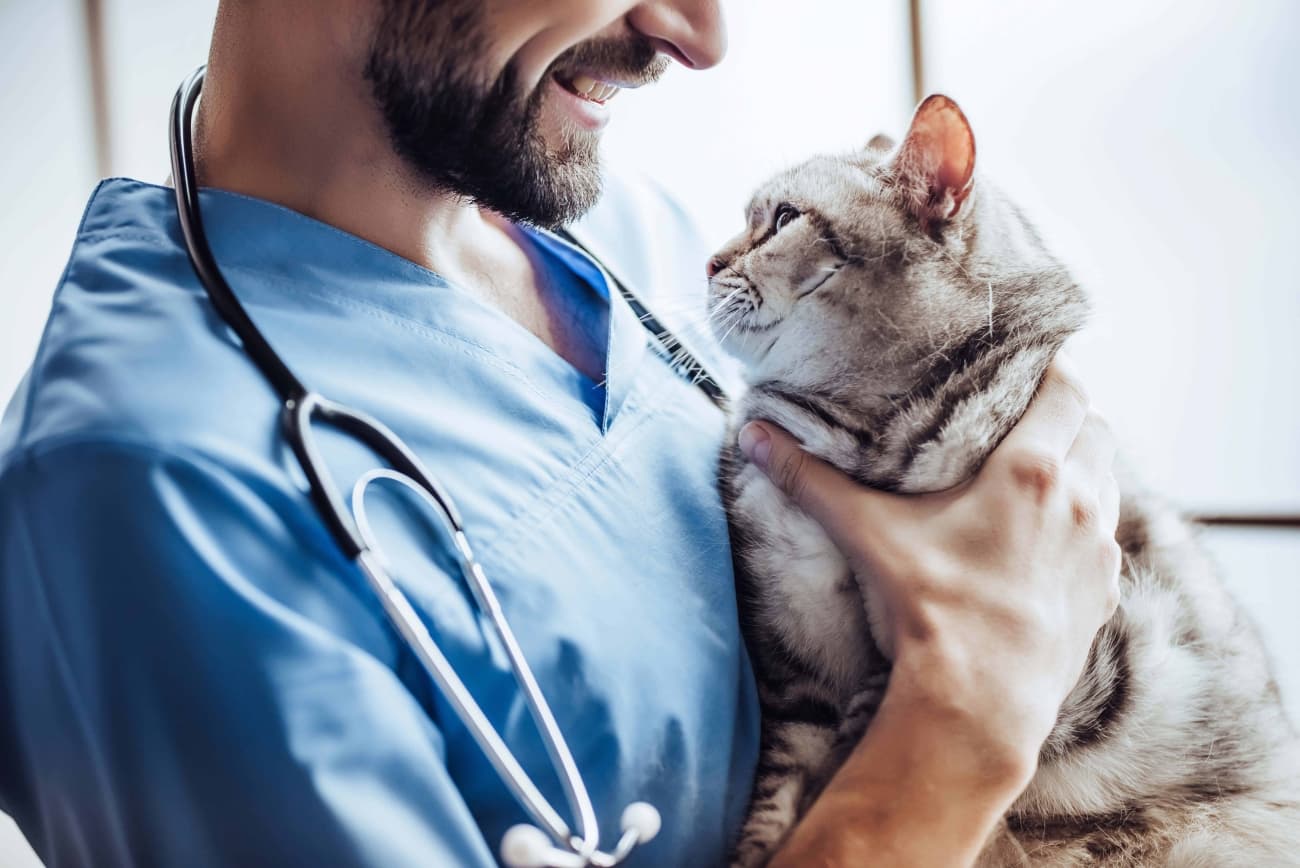
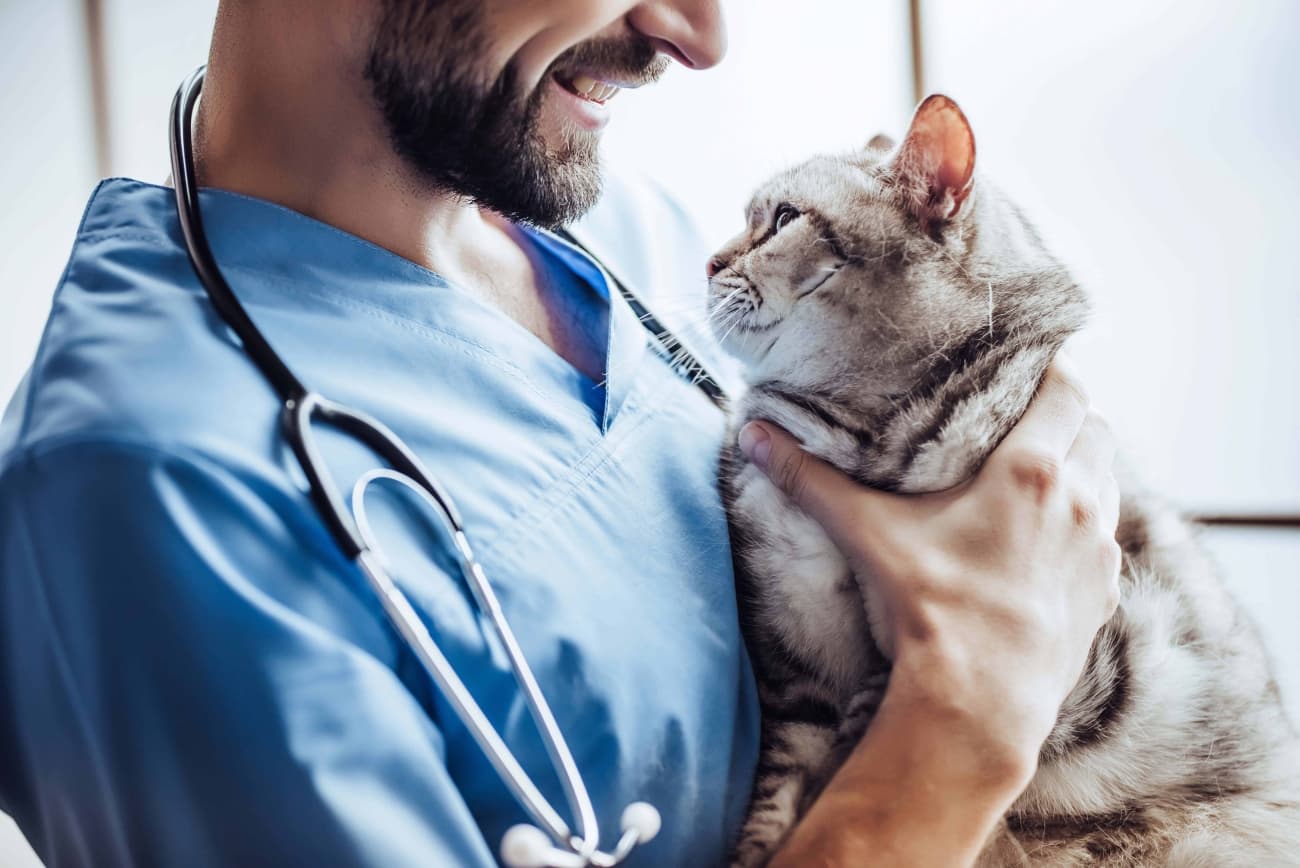
A trip to the doctor is often not something we look forward to—neither for ourselves nor for our pets.This is particularly important for cats, as the severe stress associated with a visit to the vet can worsen their overall condition.So what can you do to make this process as smooth as possible??Here are a few tips.
What is medical training??
This involves gradually acclimating the animal to the various activities and situations associated with medical procedures.It can involve many different aspects: from reactions to seeing a stretcher, to touching specific parts of the body, or administering medication (pills, injections, or IVs).Medical training must always be based on the principle of positive reinforcement and rewards.So you mustn't force your pet to do anything, but show it that what it's afraid of isn't scary at all.
Every time your cat responds calmly and appropriately, it deserves a reward—one that will truly make it happy!For example, a favorite treat (that’s usually the easiest), but also physical contact with a person or a few minutes of play.
It is important to proceed step by step.For example, if your cat doesn’t like having its paws held, start by gently touching the pads, then gradually wrap your fingers around the paw until you’re gently holding it.This method can be used for a wide variety of things: from putting on a harness to getting your cat used to being brushed again.
Desensitization of the transporter and the office
Many cats panic the moment their owner reaches into the closet for the carrier.This is because many of them associate this subject with an unpleasant trip to the vet.It’s worth breaking this pattern!Place the carrier in the room, put a blanket inside, teach your cat that it’s safe to go in there, and when it does—reward it!Set up a game in the carrier or hide a few treats inside.Let's make sure the transporter has positive, not negative, associations.
It’s also a good idea to spend some time at the vet’s office—once your cat no longer trembles at the sight of the carrier, take it to the clinic just for a visit—without any exams, physical examinations, or medication.This could completely change the cat's view of this place.It’s best to schedule your appointment just before the clinic opens or around closing time—when it’s quiet and peaceful there.
Key rules to follow during your visit to the office:
- Stay calm and collected—cats are very empathetic and can sense when their owners are nervous.So if you want to help your pet, try not to get upset.
- Listen to your doctor, but also to your cat—unfortunately, there are still doctors and technicians who prefer a very “direct” approach to patients.If you suspect that the methods used by medical staff may be harmful to your pet, please report it and offer to help.Feeling very stressed during the exam won't help you during your next visit.
- Never leave the carrier behind—even if your cat isn’t fond of it at home, he’ll appreciate having it at the vet’s office, seeing it as a safe haven.Many cats also tolerate the exam better if at least part of it is conducted inside the carrier (e.g., auscultation, palpation, dental examination, blood pressure measurement).That's why it's a good idea to have a carrier with a removable top.
- Don’t take the cat out of the carrier unless it’s necessary, and try not to force it—it’s better to wait a little longer than to make the patient more anxious.
Sedatives and stress relievers
There are various products available on the market that help reduce a pet’s stress in difficult situations.Unfortunately, most of them require long-term administration to actually have a positive effect on the patient.However, if your cat gets very stressed during visits, it’s a good idea to talk to your vet about it.There are, in fact, specific medications (such as gabapentin) that can be given to your cat before a scheduled visit to the vet.Under their influence, the animal will be calmer and easier to handle.However, you should always carry out such actions in close consultation with medical staff to ensure you do not harm your pet.
CAT BEHAVIOR EXPERT
Małgorzata Biegańska-Hendryk