
Cat Boredom – Symptoms and Proven Ways to Keep Your Pet Entertained
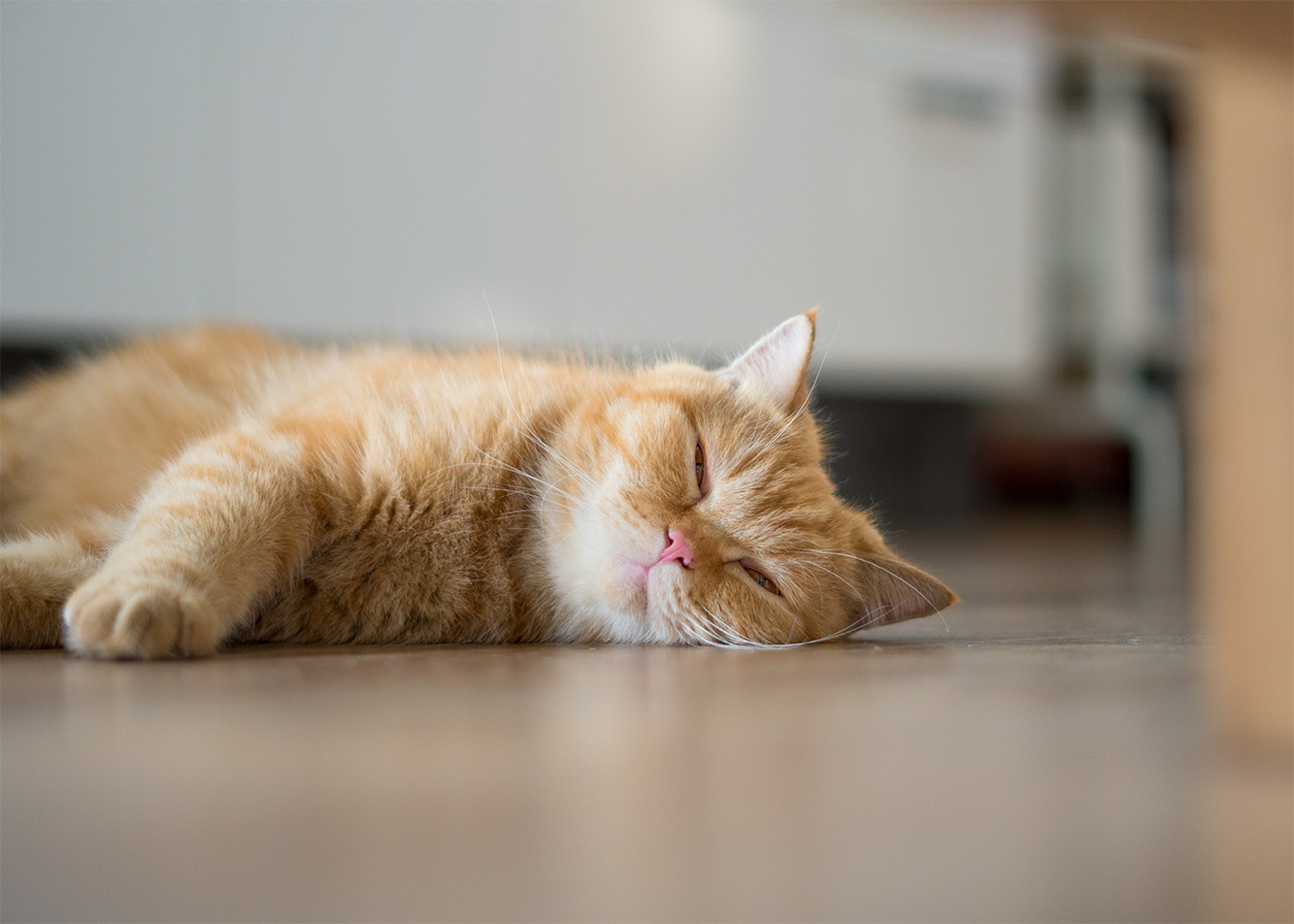
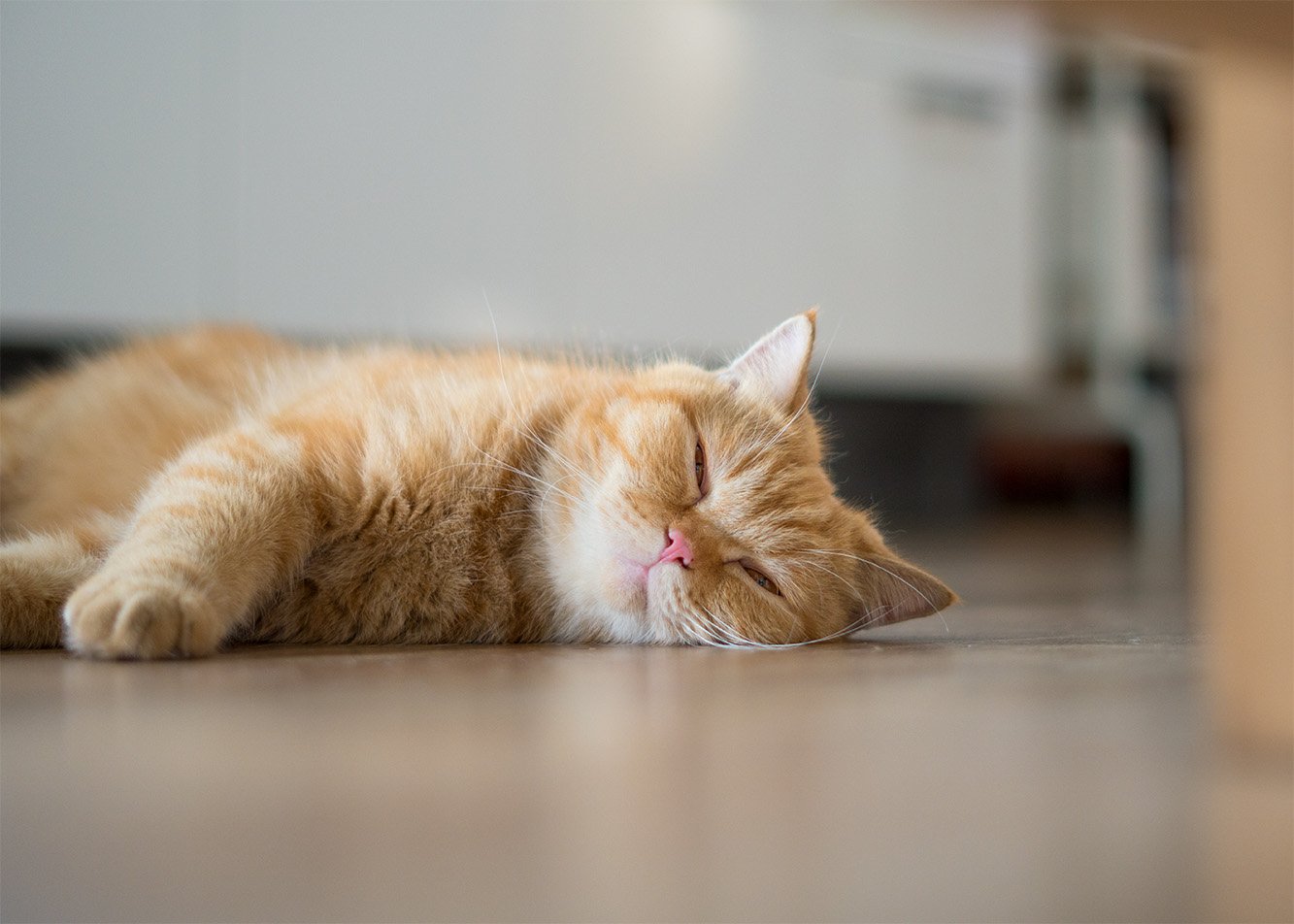
Can cats get bored??Definitely yes.In the wild, these animals spend a lot of time each day exploring, hunting, and patrolling their territory.They also interact socially with other individuals, which is another form of entertainment.Therefore, to properly ensure the well-being of a cat living indoors, we must provide it with an adequate amount of stimulation and variety in its environment.How to do it?Here are a few ideas.
A cat indoors—is that a problem??
Among many animal lovers, there is still a widespread belief that indoor cats suffer.According to them, keeping a cat cooped up indoors is nothing short of condemning it to a life in prison, and its true nature demands freedom.The reality, however, is quite different.
It has been known for years that cats allowed to roam outdoors unsupervised are exposed to a number of dangers.It is not uncommon for them to lose their health—or even their lives—as a result.In addition, due to their hunting instincts, they can pose a threat to local wildlife.That is why experts keep saying that, as a result of the domestication process, the natural habitat of the domestic cat is...home!
That doesn't mean, however, that four walls are enough for him.As with any pet, cats also need proper care: you should create a space tailored to their needs and ensure that their daily routine is well-organized.This ensures that your pet’s natural needs are met while also keeping its health and safety in mind.
Below are a few simple ways to ensure the well-being of your cat, who lives exclusively indoors.But before we get to that—let’s take a look at the problem of bored cats.
What are the signs of boredom in cats??
Cats can show boredom in various ways—depending on their temperament.Courageous, energetic, and playful pets may start to pester their owner or other pets in the home (e.g., by nipping, grabbing with their paws, or climbing).Sometimes, a bored furry friend will start following or chasing another animal, trying to entertain itself that way.This behavior is a form of stalking, which—if ignored—can escalate into a serious behavioral conflict.
Other common signs of boredom in cats include: loud, drawn-out vocalizations, knocking things over, and scratching and/or chewing on objects not intended for that purpose (e.g., upholstered furniture, curtains, rugs, shoes, etc.).).Sometimes cats also chew on houseplants or dig up the soil in them—all while their owner is watching, just to get their attention.In this situation, it doesn’t matter that they will most likely be chased away—even a negative reaction is sometimes better for a cat than a complete lack of interest.
On the other hand, for calm and reserved dogs, boredom can lead to excessive sleeping—naps begin to take up most of the day.These pets are reluctant to do anything other than eat and sleep.It is worth noting, however, that sick cats may behave in a similar way (especially if this is accompanied by problems using the litter box or poor hygiene).So before we attribute such reactions to boredom, we should first rule out any medical causes of the problem.
How to create an engaging space for your cat?
When creating a cat-friendly home, we need to remember that cats perceive space differently than humans do: in addition to horizontal surfaces, the height of rooms is also extremely important to them, and they love to make use of it.That is why it is said that cats perceive the world in 3D!
How to use this?It's very simple!It’s a good idea to make sure your home has tall scratching posts, shelves on the walls, or simply good vantage points—such as the tops of wardrobes, which your pet can jump onto.If we also place a soft doghouse or a cardboard box with a blanket inside in such a spot, we’ll create a true paradise on earth for many furry friends.Cats love to rest in high places—it’s an effective way for them to separate themselves from the group while still being able to observe and monitor their surroundings.
But high-altitude hideouts aren't everything.It’s also a good idea to provide shelters at floor level.Boxes, cardboard boxes, or even a carrier placed in a secluded spot and lined with a blanket will work great here.Using the carrier in this way can also help desensitize the cat to the sight of it.Animals often associate it with something unpleasant (such as a trip to the vet).However, once it becomes part of their daily environment, your pet will stop avoiding it, and if you need to leave the house, they’ll be more willing to get into it.
Another very important element that enriches a cat’s living space and keeps your pet from getting bored is a properly secured window or balcony.It's a kind of interactive TV that allows your pet to safely explore the outside world by analyzing smells and sounds.However, let’s remember to regularly check the condition of the safety measures and monitor the cat’s behavior—so that it doesn’t expose itself to additional risks (such as hunting dangerous, stinging insects).
Cat Entertainment – Things to Keep in Mind?
Now that we know how to create an engaging environment for cats, it’s time for a list of activities that cat owners can safely provide for their feline friends at home.Here are some examples:
- Hunting games – these usually involve short but intense sequences of chasing an object (a ball, a feathered fishing rod , or a toy mouse ), followed by a small meal (a small portion of wet food or a few healthy treats).Sessions don't have to be long—just 5–10 minutes of play is enough to satisfy your furry friend's hunting instinct.It’s best to schedule them during the times when he’s naturally active, which is early in the morning or in the evening.
- Scent games – you can start by placing healthy, high-meat treats in different spots around the house.If your pet enjoys this kind of play, it’s worth taking it a step further and investing in scent mats.For particularly smart and talented dogs, puzzle toys (even those originally designed for dogs) are also a good option; these require the dog to perform a specific sequence of movements—such as moving latches—before the treat is released.
- Command training – cats are very intelligent learning partners, and this type of activity is excellent for stimulating their minds.Whether you choose training with a clicker, a target, agility, or simply classic guidance or reinforcement of desired behaviors—it can become a wonderful daily ritual that will further strengthen your bond and improve your relationship.
Or maybe...cat walks?Safety rules and guidelines for caregivers
It’s also a fun way to add some variety to a cat’s day, but it’s important to note that walks outdoors aren’t suitable for every pet.They are ideal for curious, brave, well-socialized pets that feel emotionally secure with their owner.It’s also essential that your furry friend is comfortable with wearing a harness and being on a leash—without these accessories, a safe walk is out of the question.
If you decide to go for walks together (which often involve more standing and watching than actually walking), be sure to always choose a safe neighborhood and a good time—preferably when it’s quiet.
Cats that go outside for walks should be:
– regularly vaccinated,
– dewormed,
– protected against external parasites,
– must be microchipped.
Exercise, play, and stimulation—the key to a cat’s happiness
Although we may subconsciously associate cats with basking in the sun and napping on the couch, they are actually agile and swift animals for whom movement and activity are essential parts of their daily lives.
That is why a responsible pet owner should make a conscious effort to provide their pet with entertainment—both physical and mental.Because an active, well-cared-for, and content cat is a healthier and happier pet!
Author: tech.wet.Małgorzata Biegańska-Hendryk