
Can cats drink milk?
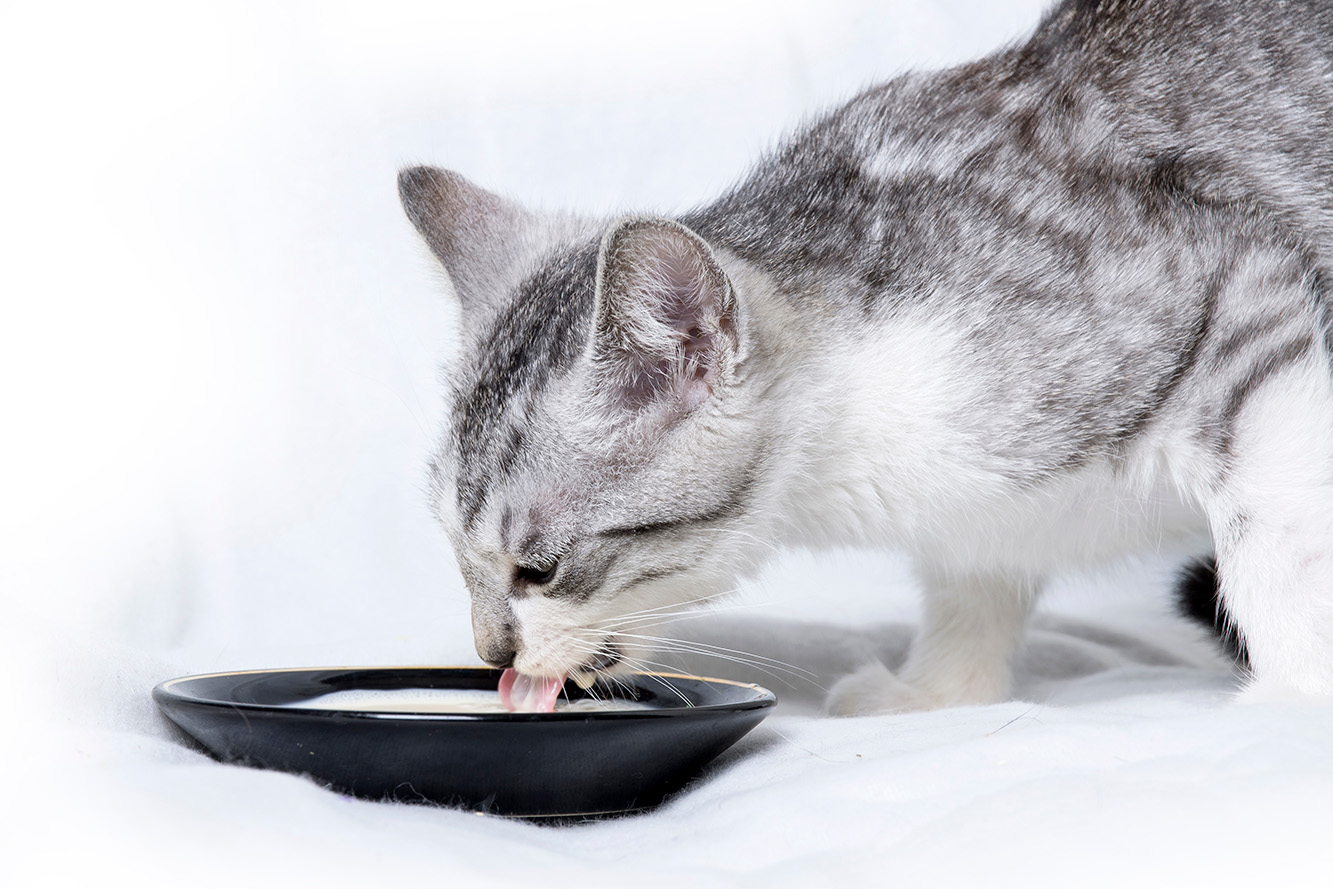

Although many people associate cats with a bowl of milk, the facts are clear: even though cats like milk and enjoy drinking it, it is harmful to them, and the consequences of feeding it to them expose them to serious health problems.
Milk as the first food
For cats, as small mammals, their mother's milk is the first food they consume.Colostrum—the first milk a mother produces immediately after giving birth—is particularly important in this regard.Not only is it highly nutritious, but it also contains maternal antibodies that provide the first line of immune protection for newborn kittens.They provide infants with basic immunity for the first 6 months.weeks of life.After this time, the kittens must start producing their own antibodies, and their immune systems begin to function independently after the eighth week of life.If kittens do not consume colostrum, they are at risk of health problems during the first month and a half of life, which can even lead to their death if they contract viral or bacterial diseases.
In the days following the birth, the mother cat continues to feed her kittens milk that has the right balance of protein and fat and provides them with concentrated nutrients and minerals essential for proper development.Kittens eat often, because every....1.5–2 hours, while the mother simultaneously cares for them by licking their bellies (this serves to externally stimulate bowel movement, as independent peristalsis in the digestive tract doesn’t develop in infants until around 3.(week of life).
This situation has persisted for about.the next 4–5 weeks.After this time, babies begin to grow their baby teeth, which allow them to start eating their first solid foods.Interestingly, cats do not possess the regurgitation reflex seen in canids, whereby the mother regurgitates partially broken down and pre-digested food from her stomach.From the very beginning, kittens have to learn to eat real meat, which their mother provides for them.
The dietary weaning period
This is the time that usually falls between 6.and 9.the week of life when a mother begins to ration her children's access to milk, thereby forcing them to increase their intake of solid foods.For kittens, this is a difficult but very important time, because in addition to dietary changes, it marks a crucial phase of early socialization: it is a time for them to learn how to cope with the stress and frustration that comes from not getting what they want.So this process has a dual role: physiological, but also behavioral.
Once the kittens have been weaned onto solid food and the mother’s mammary glands are no longer stimulated, her milk supply dries up, a process known as “drying up”.The young animals are therefore already on a strictly meat-based diet and never return to milk!It’s true that there are cases where a mother continues to nurse her kittens for a little longer, but ultimately, weaning is the point at which milk disappears from a kitten’s diet once and for all.There is absolutely no reason to alter this natural process.Attempts to feed adult animals foods containing milk or milk derivatives will only cause problems.
Why can't cats drink milk??
There are several reasons:
- A lack of the lactase enzyme in the digestive tract—lactase disappears when dairy products are eliminated from a young animal’s diet.This results in an inability to properly digest the main milk disaccharide, lactose.The introduction of lactose into the intestines will therefore trigger fermentation processes that lead to symptoms such as abdominal pain, bloating, and diarrhea.
- Excess sugar intake – drinking milk not only puts a strain on the intestines but also on the pancreas, which has to process the extra, unnecessary sugars.This can lead to serious disturbances in carbohydrate metabolism, causing m.in.problems with the secretion of adequate amounts of insulin.
- Stress on the kidneys – as studies show, regularly feeding cats about.Just 2 tablespoons of cow's milk a day can disrupt the balance of minerals, which puts a strain on the excretory system, particularly the kidneys.The main culprit here is casein, a milk protein that can cause uremia in cats and lead to a deficiency of arginine, an amino acid essential for these animals.
- Allergic reactions – milk is a strong allergen that can cause a wide range of symptoms in cats: ranging from gastrointestinal issues to skin problems associated with excessive scratching and licking of the coat, which in extreme cases can lead to wounds and secondary complications.
What to give and what not to give?
We hope the above arguments clearly demonstrate that milk is unnecessary in an adult pet’s diet (both regular and lactose-free).Even if something is labeled as a "milk drink for cats," it is still biologically unsuitable for animal consumption.
What about kittens that need to be bottle-fed??Choosing the right milk substitutes is very important here.They must be nutritionally tailored to the species' needs (which is why kittens, for example, should not be fed puppy milk), served in appropriate amounts and at the right temperature (approx..(38°C) and prepared fresh just before serving.It’s also important to remember that a bottle-fed kitten must not get cold, because if its body temperature drops too low, its digestive processes won’t function properly.
Summary
We still see cats drinking milk in children’s fairy tales and even in school textbooks.It is therefore worth spreading awareness on this topic and educating others—especially the youngest among us.If we plant the right seeds early on, there is a chance they will grow into something that will change the future of cats.
