
Are chestnuts dangerous for dogs?
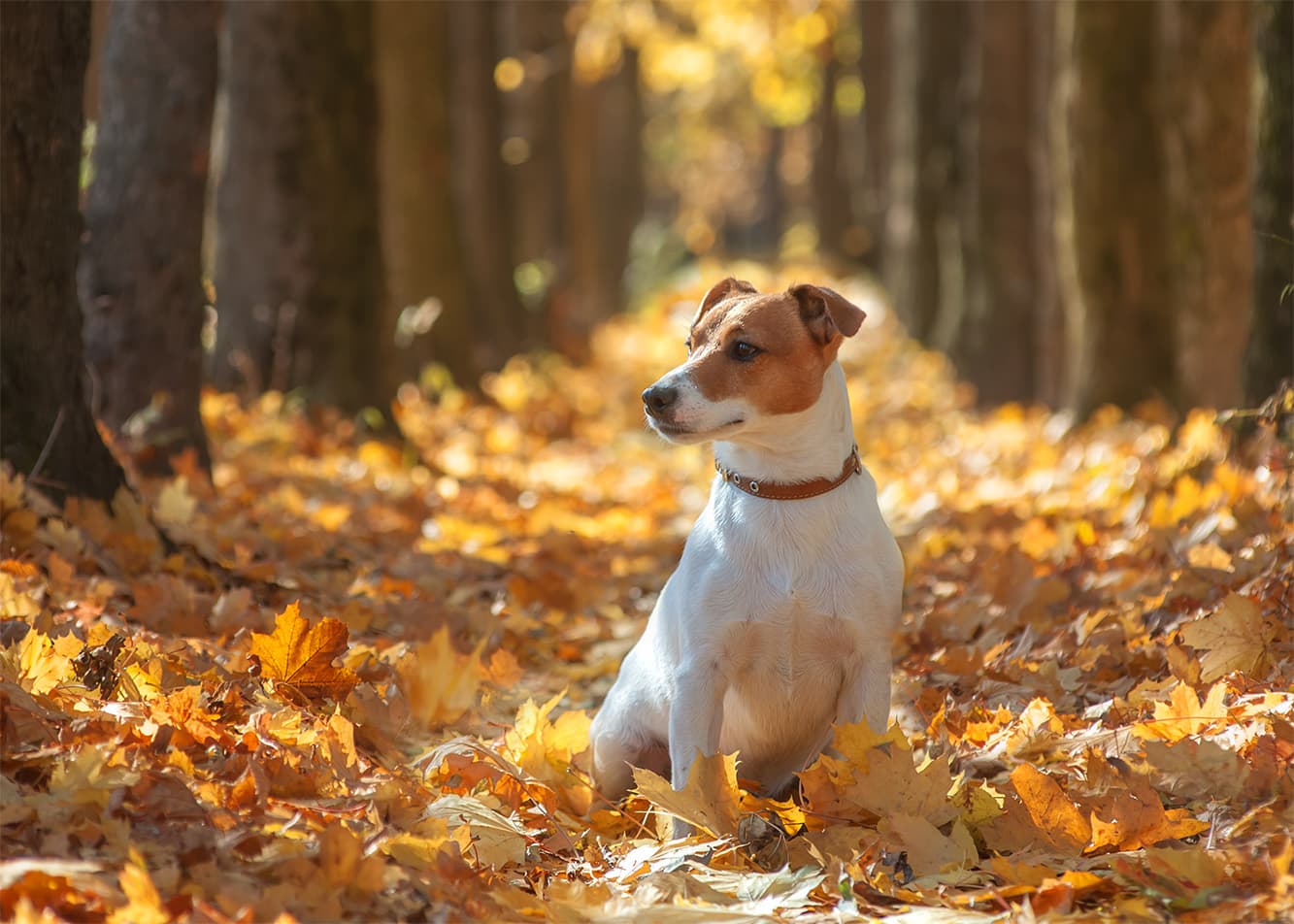
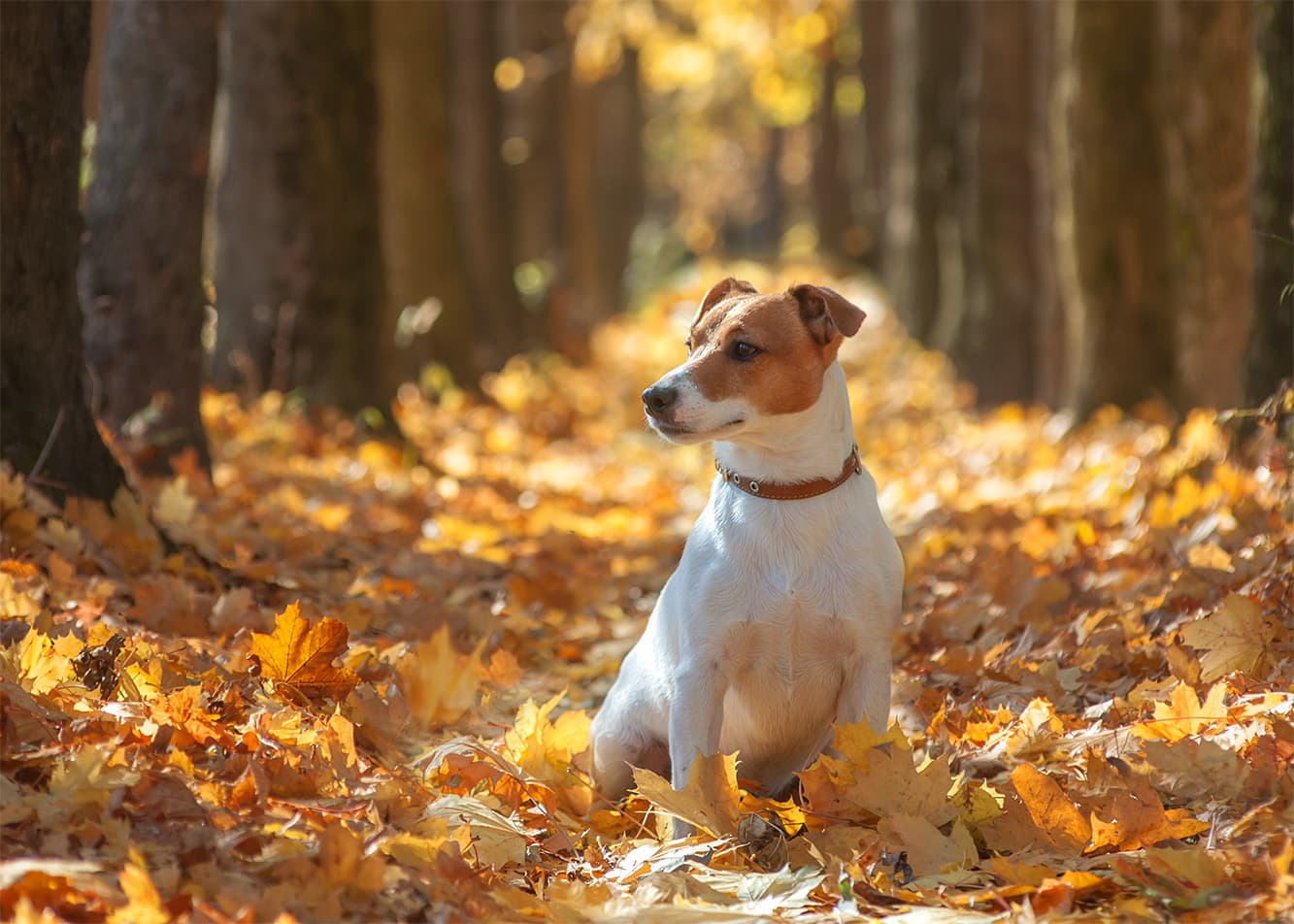
With the arrival of autumn, chestnuts begin to appear.When walking your dog in the park, you might be tempted to treat a chestnut as a toy for fetch.It’s best not to give in to it, as it could put your dog at real risk of health problems.Read our article to find out why chestnuts are dangerous for dogs.
Can dogs eat chestnuts??
Since chestnuts are so interesting to dogs, it’s only natural to expect that they’ll use them for more than just play.While playing, the dog might choke on them, or if it chews them up, it could get poisoned.In our geographical region, there is little risk of confusing sweet, edible chestnuts with inedible chestnuts.Therefore, just to be safe, it’s best to treat every chestnut you come across as a real danger to dogs of any size—a small dog is likely to chew it up and eat it, and a large dog could also choke on it.
How to tell edible chestnuts apart from inedible ones?The husk of edible sweet chestnuts is brown and covered with numerous long, bristly spines; inside the husk are two to three fairly small, flattened, triangular chestnuts.In contrast, the husk of the horse chestnut is thick and green, has small, short, and widely spaced spines, and usually contains only one larger, rounded fruit.
What causes the toxicity of chestnuts that are not eaten??
Chestnuts are toxic to dogs due to their high saponin content.These are compounds that reduce surface tension; as a result, they can damage cell structures and exhibit hemolytic properties, leading to damage to red blood cells.They damage the liver and can destroy epithelial tissue in various parts of the gastrointestinal tract.If your pet experiences lethargy, abdominal pain, excessive salivation, vomiting, or diarrhea after eating a chestnut, you must take it to the veterinarian immediately.
Not all dog owners are aware of the consequences a dog may face after eating a chestnut.Many of them, especially when it comes to children, use chestnuts to play with by kicking them or throwing them for the dog to fetch.It’s important to raise awareness and educate people about these tempting but dangerous autumn balls that pose a health risk to our pets.
If a dog eats acorns, it can also cause choking, severe diarrhea, and vomiting.Let’s be careful during our fall walks and keep an eye on what our dog is playing with to avoid dangerous consequences.