An aggressive puppy at home – how do you handle this situation?
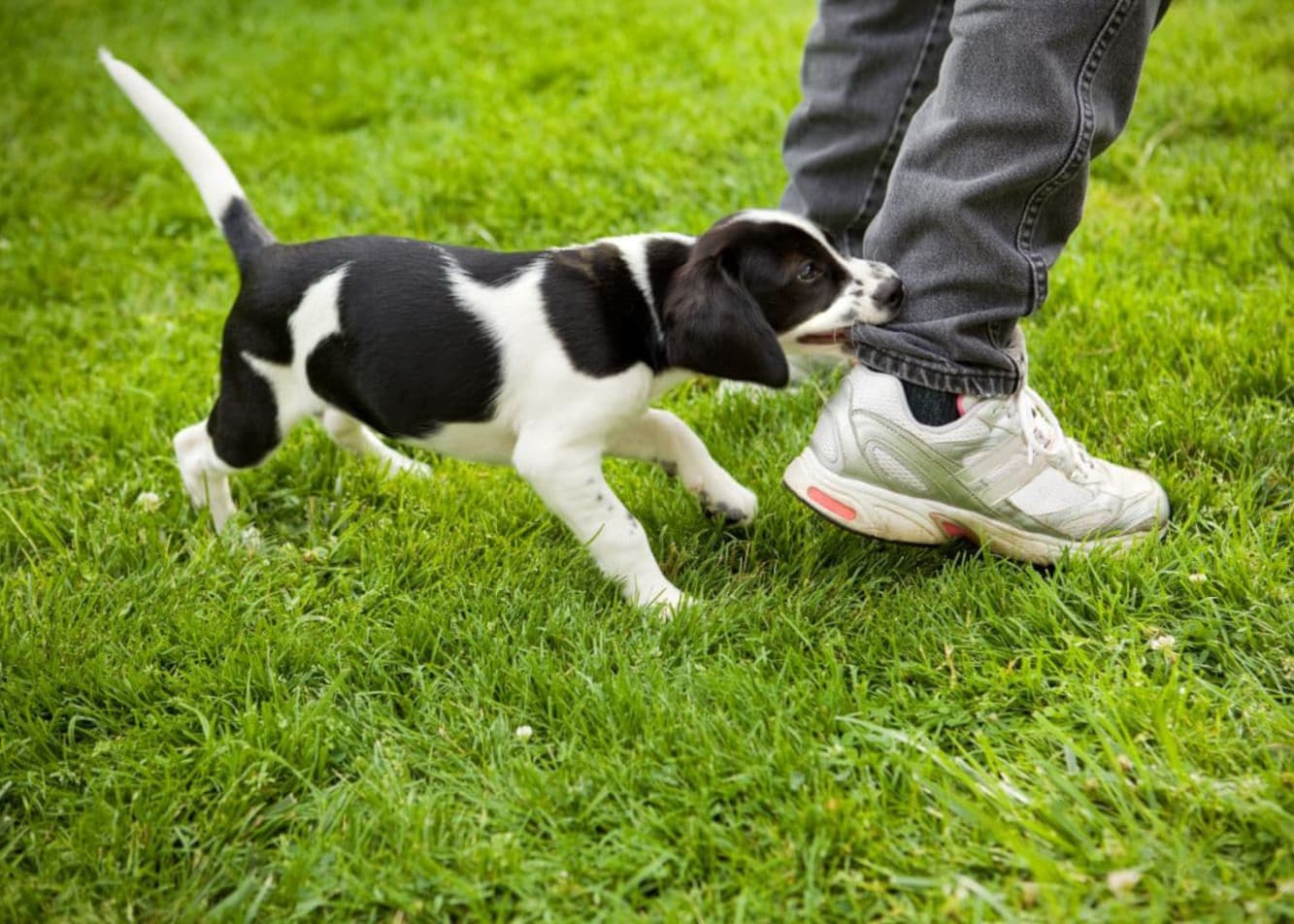
Dogs—just like people—can vary in character and temperament.Some are very lively, while others are naturally calm.A lot depends on the specific breed, but also on the dog's upbringing, environment, and experiences.Sometimes, a dog that is extremely sweet at first begins to exhibit undesirable behavior over time.The puppy bites and growls, which frightens the family.How should one deal with him??
According to pet owners, aggressive puppies are by no means a rarity.At first, almost every little puppy looks like an adorable, fluffy ball.However, as he grows up, his behavior may also change.Aggression in puppies is not natural, but it can develop—and even become ingrained—as a result of improper handling.
What can you do to prevent your dog from being aggressive??
First and foremost, you need to realize that every dog can be a little different—calm, lively, noisy, or timid.Any dog (whether purebred or mixed-breed) can be well-behaved or aggressive.It is important to note that certain breeds may predispose dogs to exhibit specific behaviors.A good example here is the Amstaff—a breed that is naturally very intelligent, loyal, and devoted to its owner.However, its history is marked by aggression, which is why many people view it through the lens of stories about just how dangerous these animals can be.Meanwhile, an aggressive adult dog is more likely the result of the Amstaff puppy having been mistreated in the past.Therefore, since some dogs may exhibit certain traits or require more attention from their owners during the training process, it’s a good idea to learn more about the needs and temperament of a specific breed when choosing a puppy.
An Aggressive Puppy: How to Deal With It?
Aggressive behavior in a puppy—such as pulling on pant legs or biting family members on the hands—is usually the result of a variety of factors, including: a tendency toward aggression in the puppy’s parents, a lack of proper care at the breeder’s, as well as mistakes in the puppy’s upbringing..The tiny puppy we brought home is so adorable that we let him get away with just about anything.It’s not uncommon for us to let him chew on our hands.However, as it grows older, its bites become more painful.But how is a growing puppy supposed to know that he’s not allowed to do that anymore??After all, we’ve let him do that in the past.That is why consistency and establishing clear rules—which should be followed from the very beginning—are so important in training a dog.Instead of letting your puppy chew on your hands or slippers, it’s better to give him some dog toys.Teething toys work great here, such asthe GiGwi Push to Mute Dinoball Apatosaurus or the Hartz Dura Play Zoo Balloons.
Biting is part of a dog's nature and is a natural instinct.Our job is to show him what he’s allowed to chew on and what he isn’t.Let’s do this not by punishing the pet, but by rewarding its good behavior.You can also enroll your puppy in puppy school, which is a training program designed for young dogs.Contrary to what you might think, not only will an aggressive puppy learn a lot there, but so will its owner.A healthy relationship develops between them, and proper ways of interacting with the pet are established.
How to stop your dog from growling at family members?
A dog's behavior can be influenced by its temperament and breed-specific traits, as well as other factors.If an adult dog or an older puppy bites or growls at children, it is often a sign that it was not properly socialized when it was young.Such neglect can lead to the dog simply being afraid of children and sending them warning signals, such as growling.In this case, it is very important to work with the dog and the child, always in the presence of adults, and perhaps even under the supervision of a behaviorist.Aggression in a puppy can also be the result of negative experiences, such as having been locked up, starved, or beaten in the past.Another example is jealousy.A dog that loves its owner very much may become jealous of a child or another person who gets close to the owner.Many of these behaviors can be worked on.However, achieving this goal requires hard work, perseverance, and patience.
How to calm a barking puppy?
A dog's barking can be very annoying for its owners.Especially if the dog barks constantly.When working with dogs, keep in mind that some breeds are naturally noisier than others.Barking is a way for dogs to communicate.So we cannot completely eliminate it, and we must not even attempt to do so.However, there are ways to reduce them.
Intense barking can have various causes and meanings.This is how, for example, a guard dog behaves—an aggressive Yorkie that may need training, but also a dog that demands attention from its owner.A dog may bark out of boredom, lack of exercise, or to get attention.It can also force family members to give it treats during family meals.To avoid this, it’s a good idea to establish a daily routine right from the start that your puppy can get used to.Feeding at set times, always in a bowl rather than at the table, as well as dog food from and —which fully meets your pet’s nutritional needs and is tailored to its age—will help prevent your pet from loudly begging for treats.It is important to meet children’s need for social interaction with family members through shared play and outdoor activities.Long walks come naturally to some breeds, while others don't like them.So, if we don't have time for that, let's choose a breed that needs less exercise.Meeting your dog’s needs and establishing a routine (consistent times for walks, play, and meals) gives your dog a sense of security and helps it become calmer and better-behaved.
Loud barking or aggression in a puppy can be the result of improper handling by the owners.Such behaviors require effort and practice.Sometimes, certain behaviors stem from deep-seated fears in a pet.In that case, you may need the help of a behaviorist.
Recommended