American Shorthair Cat – Personality, Appearance, Care, and Health
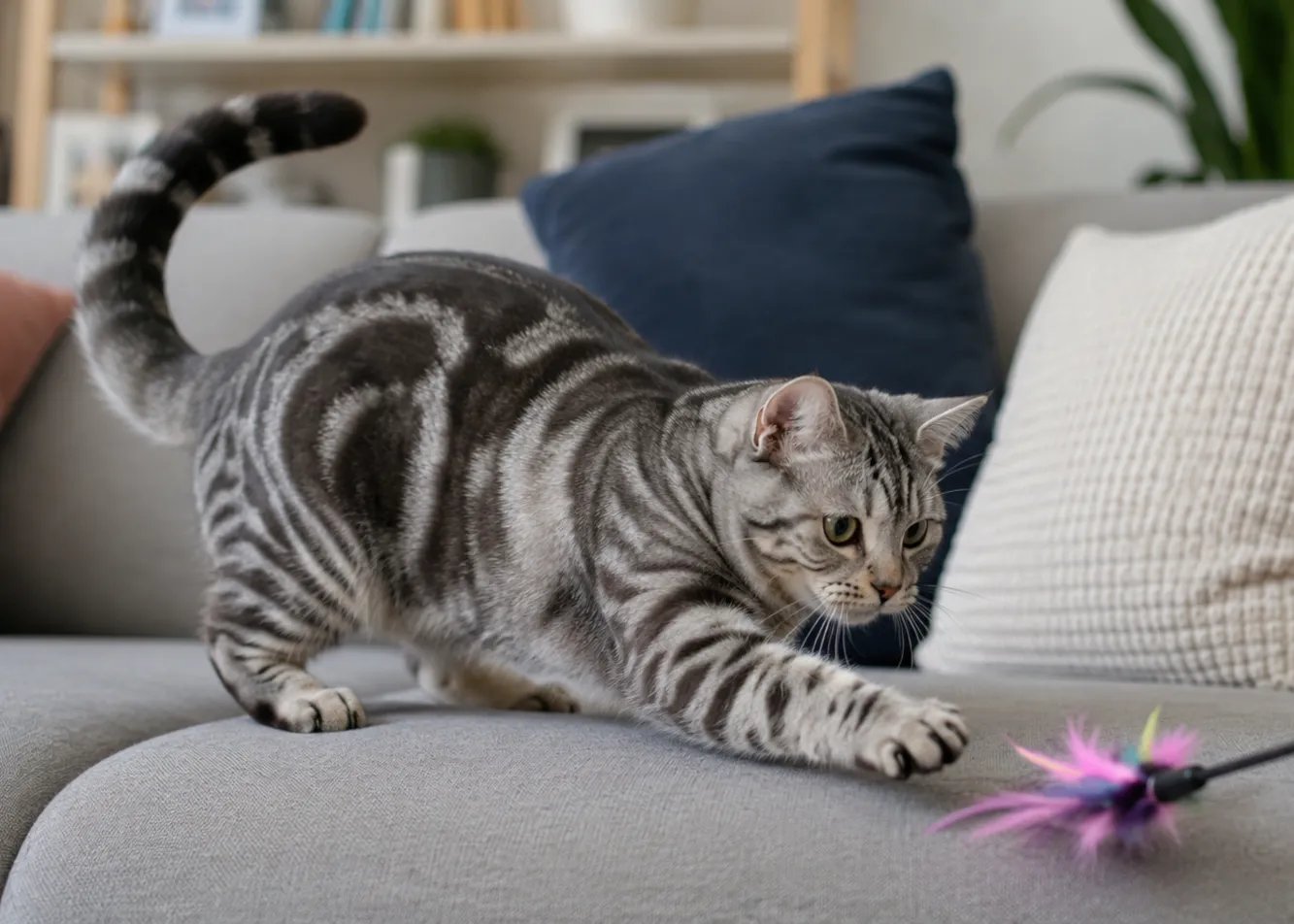
The American Shorthair is a breed developed in the United States whose origins date back to colonial times.The ancestors of these cats arrived in America with European settlers, serving primarily as effective rodent hunters on ships and on farms.Over time, they adapted well to their new environmental conditions, resulting in a strong, resilient, and relatively uniform population.Today, the American Shorthair is considered a natural breed, developed along similar lines to the European Shorthair in Europe.
What is the American Shorthair like??Breed Description, Personality, Care, and Health
This breed is best suited for people looking for a well-balanced and relatively low-maintenance companion.It is a cat that combines independence with a strong bond with its owner—it enjoys spending time with people, but isn't overly demanding.It adapts well to a variety of living conditions, provided it gets enough exercise and stimulation.
Basic Information About the American Shorthair Breed
- Origin: USA (based on European cats).
- Body weight: approx..3–5 kg (females) and 5–7 kg (males).
- Average lifespan: typically 13–18 years (may be longer with good care).
- Build: medium to large, muscular, well-built, with a sturdy bone structure.
- Head and eyes: broad, slightly rounded head; large, wide-set eyes with coloring matching the coat (e.g.(green in the silver variety).
- Ears and tail: medium-sized, slightly rounded ears; tail proportional, thicker at the base and tapering toward the tip.
- Coat type: short, dense, springy, and glossy, with a well-developed undercoat.The coat patterns are highly varied, though the silver tabby pattern is the most common.
- Fun fact: In the past, cats of this breed were used in post offices, among other places, to control the rodents that were destroying the mail stored there.
History and Origin of the American Shorthair
At first, the cats brought over by European colonists bred freely and adapted to life in their new surroundings.They quickly became valuable helpers on farms, where they protected food supplies from rodents.
In the early 20th century, as pedigreed cats from Europe began arriving in America, concerns arose about the loss of the distinctive traits of the local population.In response, breeding programs were launched to preserve them. The breed was registered in 1906 and officially adopted the name "American Shorthair" in 1966.
American Shorthair – Appearance and Distinguishing Features
This is a robust, well-proportioned cat that combines stamina with elegance, giving the impression of an animal well-suited to an active lifestyle.
Body Structure
This cat has a powerful yet well-proportioned build.It has a well-developed chest and strong limbs, which contribute to its physical fitness and overall good condition.
Coat and Color
The coat is short, dense, and springy, providing good protection against external factors.It comes in many color variations and patterns, though the silver tabby pattern is the most distinctive.A cat's coat is influenced not only by genetics, but also by a proper diet and regular grooming.
Personality and Temperament of the American Shorthair
Cats of this breed are most commonly described as:
- calm and well-balanced,
- intelligent and curious,
- friendly and somewhat independent,
- active, though not overly energetic,
- not particularly vocalal.
This is a cat that enjoys being part of family life, but doesn't need constant attention.It is just as comfortable in a calm environment as it is in a more active household.
American Shorthair with Children and Other Animals
This breed generally does well in families with children and in homes with other pets.It is patient and tolerant, though—like any cat—it needs its own space and the ability to retreat to a quiet spot.
How to Care for an American Shorthair?Requirements and Grooming
The home environment and activities offered should include:
- scratching posts and climbing areas,
- toys that stimulate the hunting instinct,
- regular play and interaction with the owner.
Coat care and hygiene include:
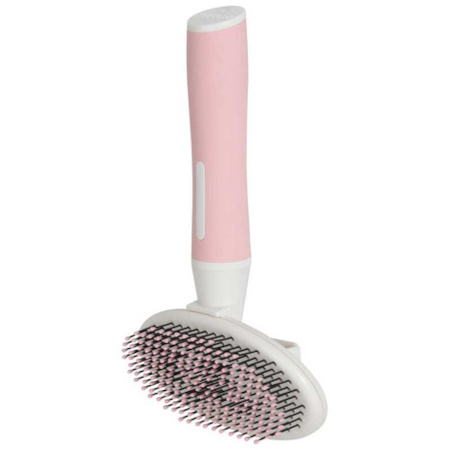
- brushing once a week,
- checking and cleaning the ears as needed,
- nail trimming,
- regular eye exams.
American Shorthair Health – Most Common Health Issues
Although the breed is considered healthy and robust, its members may be prone to:
- hypertrophic cardiomyopathy (HCM),
- hip dysplasia,
- a tendency toward being overweight and obesity.
Regular veterinary check-ups and a proper diet are essential for keeping your cat healthy.
Feeding the American Shorthair
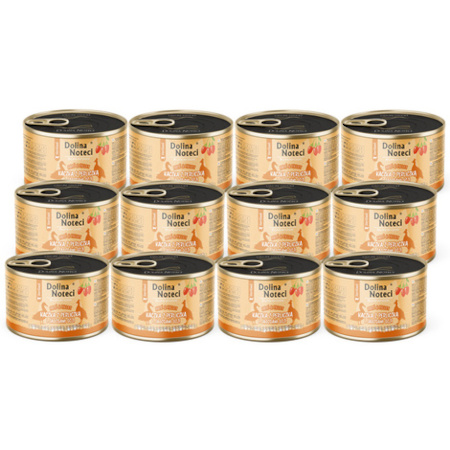
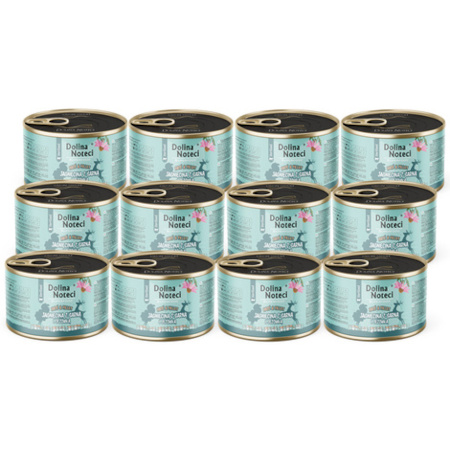
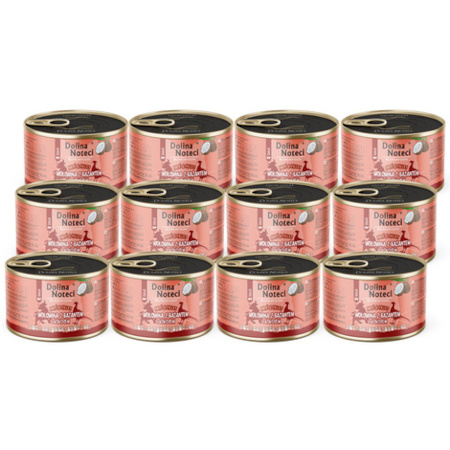
The diet should be based on high-quality animal protein and tailored to the cat's activity level.Due to the breed's tendency to gain weight, it is important to monitor its caloric intake, and a well-balanced wet cat food can help maintain a healthy body weight while providing nutrients that meet the natural dietary needs of this breed.
Who Is the American Shorthair For?
This is a good choice for people who:
- are looking for a calm yet sociable cat,
- want a low-maintenance pet,
- appreciate a balance between activity and tranquility.
It may not be the best choice for those looking for very close interaction or a cat that particularly enjoys close human companionship.
How to Choose a Good Breeder?
A pedigree cat should come from a reputable, ethical cattery and have a multi-generational pedigree certificate.It is best to choose catteries affiliated with organizations that are members of the World Cat Congress (WCC), as this provides greater assurance regarding the health and rearing conditions of the kittens.
FAQ – Frequently Asked Questions
Is the American Shorthair an active cat??
Yes, but in moderation—it enjoys playing, but also values peaceful rest.
Does this breed handle being alone well??
It generally handles short periods of solitude well, though it prefers the company of its owner.
Is grooming demanding??
Well, the short coat is easy to maintain and doesn't require a lot of care.
Recommended
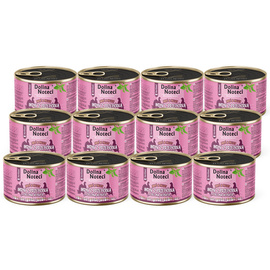
Dolina Noteci Premium Wet Cat Food with Salmon Fillet, 12-pack (185 g each) + Free DNP Salmon Fillet (185 g)
Natural Taste Niewąska Gąska Wet Cat Food – Goose Flavor, 12-pack (185 g each)
Piper Animals Junior Wet Cat Food with Veal, 12-pack (185 g each)