Allergies in Dogs – Symptoms, Treatment, and Proper Nutrition
Anyone with allergies knows all too well how much of a hassle they can be—whether it’s an allergy to dust, pollen, or specific foods.Allergic reactions are certainly not pleasant, and in some cases, allergies can pose a serious threat to health and life.The same is true for animals.A common problem among dogs (and other animals) is food allergies, which can often go unnoticed at first.What are the symptoms of allergies in dogs, what does treatment involve, and how can you ensure proper nutrition if your dog has a food allergy??
Allergy symptoms in dogs
Let's start by noting that there are several types of allergies:
- inhalant allergy,
- atopic contact dermatitis (ACD),
- atopic dermatitis (AD),
- food allergy.
This type of allergy is becoming increasingly common in dogs—just as it is in humans, who are often plagued by various types of allergies or food intolerances.
How to recognize an allergy in a dog?
First and foremost, it can occur at any age, although it is most commonly diagnosed in dogs under 4 years of age.year old.An allergy can be caused by virtually any ingredient in a dog's diet.The symptoms of this type of allergy primarily include itching of varying severity, skin inflammation, and often inflammation of the external auditory canal.
Allergies in Dogs – Treatment
Dog owners whose pets have been diagnosed with allergies often wonder what the treatment will entail.Or perhaps all it takes is to adjust the dog’s diet so that it doesn’t come into contact with the allergens that trigger its allergic reaction?Unfortunately, diagnosing food allergies in dogs is very difficult and usually relies primarily on an elimination diet.This way, you can identify which ingredients trigger an allergic reaction and which ones appear to be safe for your dog.Of course, a veterinarian may recommend specific tests, but the most common tests check for the presence of antibodies—and these can also be present in healthy dogs.
Treating dog allergies also requires ruling out other conditions that have similar symptoms, such as skin diseases.Veterinarians often recommend antihistamines as well, which are also used to treat people with allergies.In some cases, the veterinarian may also decide to prescribe glucocorticosteroids (steroids), as well as desensitization therapy or topical medications.In every case, the treatment plan is tailored to the needs of the canine patient.
Dogs with allergies and proper nutrition
For dogs with allergies, proper nutrition is essential.This requires consulting a veterinarian, who will advise you on how to feed your dog and which foods to avoid.An elimination diet can also help determine which food ingredients are allergens for a particular dog.
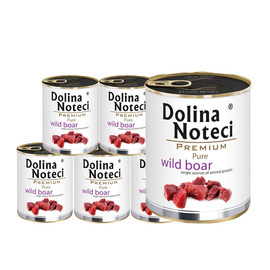
It might be a very good idea to add special dog food to the menu for dogs that suffer from allergies.Examples of such foods include "Dolina Noteci Premium Pure" or "Piper Platinum Pure." These types of veterinary foods are formulated using a single protein source, making them ideal for dogs with food allergies.They also contain no synthetic flavor enhancers or artificial colors, which could further irritate a dog’s digestive system.There’s a wide variety of hypoallergenic dog foods to choose from, so you can treat your dog to something special—especially if he’s a four-legged connoisseur of dog treats!
It’s also worth considering feeding your dog wet food.Why?Wet food for dogs with allergies provides the right balance of nutrients to ensure optimal nutrition and proper hydration.Many dogs love this kind of food and prefer it to dry food. wet dog food also has a very soft texture, which makes it easier for dogs to eat.However, it’s important to check the ingredients list to make sure the treats you give your pet don’t contain any substances that could cause allergies.
Although the onset of allergic reactions in a dog and their subsequent diagnosis can be quite stressful for both the dog and its owner, it’s worth taking the time and effort to address the issue.Unfortunately, allergic reactions can worsen over time, which is why removing allergens from your dog’s diet is essential to maintaining his overall health.A good veterinarian, proper diagnosis, and an appropriate diet can help your dog quickly overcome its allergies, and allergic reactions will no longer occur.
Recommended
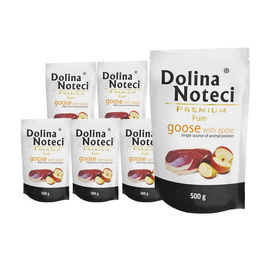
Dolina Noteci Premium Pure Wet Dog Food for Dogs with Allergies—Rich in Goose and Apple, Set of 10 x 500 g