
A long train trip with a cat—how should you prepare?
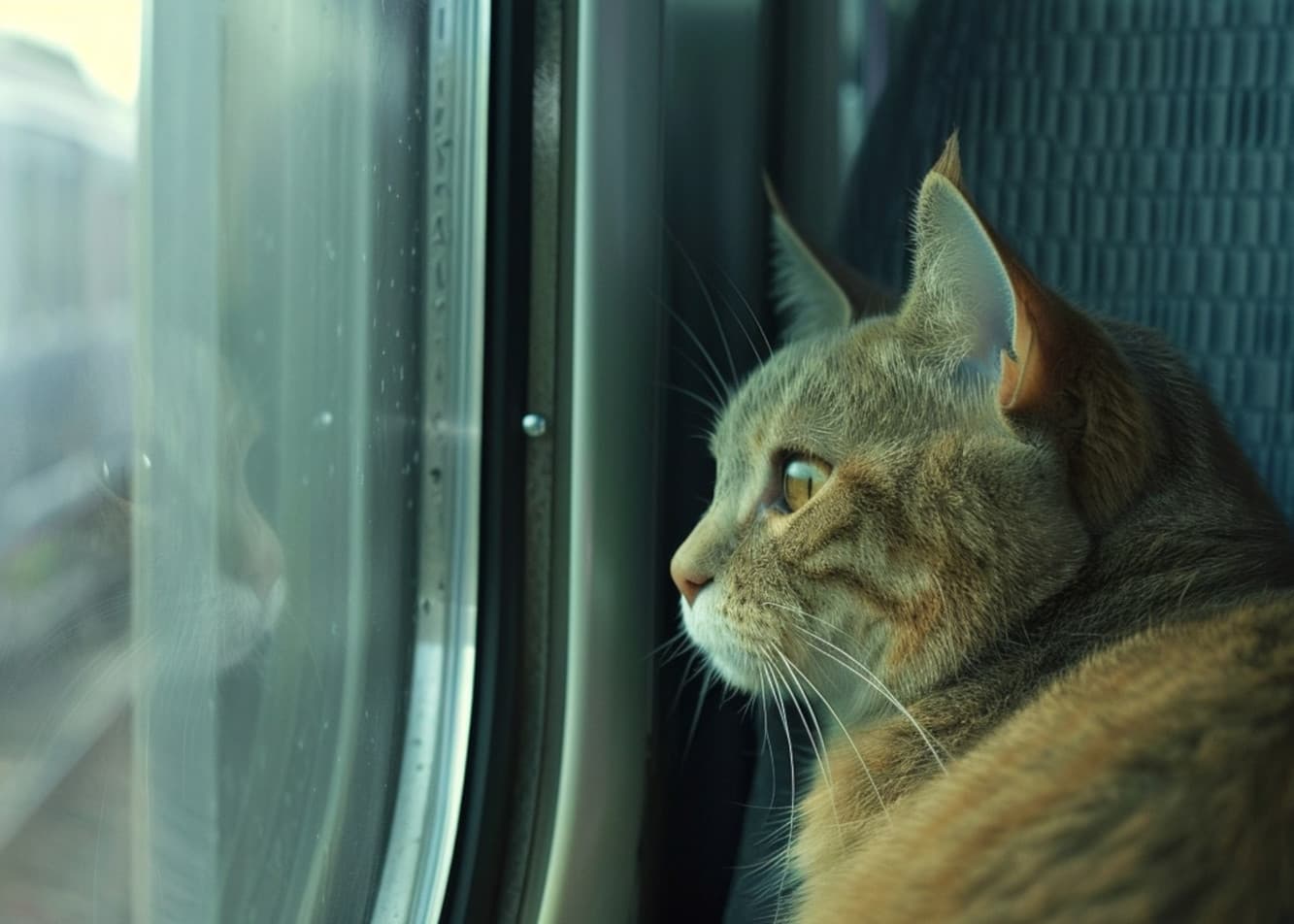
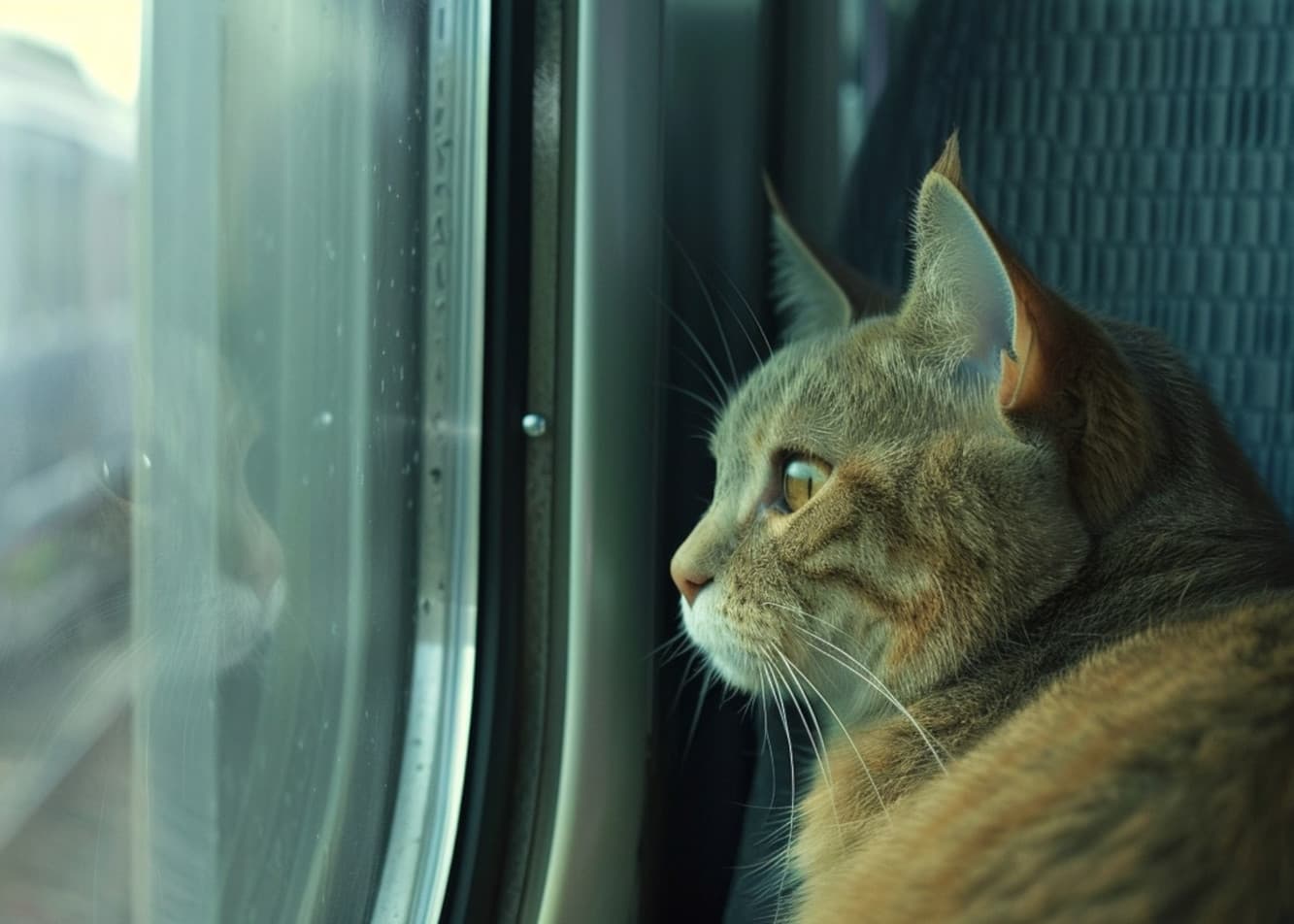
For many cat owners, the train is a great alternative to driving—especially when traveling to larger cities, coastal towns, or mountain resorts.What seems like a simple trip can, however, turn out to be a stressful experience if we don’t make sure we’re properly prepared.
Some people planning such a trip for the first time have questions about travel regulations, their pet’s comfort, or essential accessories—the answers aren’t always obvious.However, a well-planned long train trip with a cat can go smoothly if you familiarize yourself with a few key rules beforehand.
This article is intended for those who want to ensure that traveling by train with a cat is not only possible but also safe—for both the pet and its owner.
Table of Contents:
- Rules and regulations regarding the transport of cats on PKP and Intercity trains
- How to choose the right cat carrier for a long trip?
- What to bring on a train trip with your cat?Packing List
- How to reduce your cat's stress while traveling?Practical tips
- When to consult a veterinarian before traveling?
Rules and regulations regarding the transport of cats on PKP and Intercity trains
Traveling by train with a cat requires familiarity with the regulations of the rail carriers, especially those of PKP and Intercity.It is important to transport your pet in an appropriate carrier—one that is enclosed, secure, and restricts the pet’s access to its surroundings.The carrier should be placed under the seat, on your lap, or in a reserved seat. It cannot be placed on a table or on someone's seat.
According to Intercity regulations, if a carrier does not fit in the designated space for free luggage, the passenger is required to purchase a ticket for its transport.Furthermore, traveling by train with a cat is only permitted if the animal does not disturb other passengers.In compartment cars, you must obtain the consent of your fellow passengers; if they object, the guardian must move to another seat designated by the conductor.If there are no available seats, you may be asked to leave the train at the next station, in which case you are entitled to a refund for the unused portion of your ticket.
The cat must not have any part of its body sticking out of the carrier.In sleeper cars or cars with berths, it is necessary to purchase all seats in the compartment.In addition, animals are not allowed in dining cars.Traveling by train with a cat requires both following the rules and ensuring the cleanliness and hygiene of the area where the animal is located. Transporting a cat on a train in a manner that violates the rules may result in additional fees—for example, for not having a ticket for the animal or for violating regulations.
How to choose the right cat carrier for a long trip?
One of the most important factors affecting comfort and safety during a long train trip with a cat is choosing the right carrier.When choosing the right model, pay special attention to the size.The carrier shouldn't be too small—the cat needs to be able to lie down comfortably, turn around, and stand up.
At the same time, it’s not a good idea to choose a conveyor that’s too large, as you may have trouble fitting it into the designated space.A properly selected carrier will ensure stability and a sense of security, even during sudden braking.It should also be comfortable and softly padded so that the cat can feel at ease when spending extended periods of time in it.
What to bring on a train trip with your cat?Packing List
A long train trip with a cat requires careful preparation of supplies to ensure the animal’s comfort and safety.The foundation is the aforementioned sturdy transporter.In addition to that, it’s a good idea to bring a soft pad or a blanket that smells like home—it has a calming effect. A caregiver’s bag should also include tissues, bags for any waste, and spare diapers.A few hours before departure, it’s a good idea to limit your cat’s food intake to minimize the risk of nausea and discomfort during the trip. On the other hand, if the trip takes several hours, you should bring a bowl, a supply of water, and a portion of food.
Whenever you travel by train with a cat, you must have its health record with you.Cat owners should also remember to keep their cats safe in case of unforeseen situations—it’s a good idea to get ID tags for cats , which allow the animal to be identified if it runs away.
This is important!
Every cat traveling with its owner must also be microchipped, and the microchip must be registered in an online database.


How to reduce your cat's stress while traveling?Practical tips
A long train ride with a cat can be emotionally stressful for many pets—noise, unfamiliar smells, vibrations, and the presence of strangers are all factors that can upset your pet.A simple way to ensure a smooth trip is to properly prepare your cat for this unusual situation.If your cat isn't a fan of being in a carrier, it's a good idea to start getting it used to the carrier a few weeks before your trip.To do this, it’s best to place it in your home, encouraging your cat to climb inside and relax using a cat treat or its favorite toy. On the day of departure, it’s important to limit stimuli—a calm atmosphere at home, minimizing noise, and a quick, well-organized departure will help keep your cat emotionally stable.
| Stage | Activities | Objective of the activity |
|---|---|---|
| A few weeks before | Getting used to the carrier, using treats | Reducing the stress associated with a new piece of equipment |
| The day before the trip | A calm atmosphere, minimal distractions | Preparing your cat mentally for the trip |
| Day of departure | A quick routine, a quick trip out | Avoiding excessive stress and anxiety |
| On the move | Covering the conveyor belt, speaking in a calm tone | Minimizing the impact of external stimuli |
| Upon arrival | Permission for acclimatization, presence of a guardian | A quicker return to a sense of security |
Another good option might be to introduce mild supplements that reduce stress and tension, such as synthetic cheek pheromone analogs available in spray form, which are sprayed inside the carrier BEFORE the cat enters it.Their active operating time is approximately.2 hours after administration, making the start of the trip less stressful for the cat.
When to consult a veterinarian before traveling?
A long train trip with a cat can be both physically and emotionally challenging for many pets.That’s why it’s best to schedule a visit to the veterinarian well in advance.A consultation is particularly recommended for older pets, those with chronic health conditions, anxious pets, or those who have not previously traveled on public transportation. The veterinarian will assess your cat’s health, check its vaccinations, and may offer advice on how best to prepare your cat for the trip.It is also a good idea to discuss the issue of any supportive measures.In some cases, they may recommend medications or supplements for your cat to help alleviate travel-related stress.
Remember that severe stress can have a very negative impact not only on your mental well-being, but also on your pet’s health.So if you’re not sure whether your cat is fit to travel or will handle the trip well, consult a behaviorist beforehand—they can help you choose the best option for your pet.



From our article, you already know how to travel with a cat on a train.A long trip with your pet requires proper preparation, knowledge of the regulations, and attention to your pet’s comfort and safety.It is important to choose the right carrier, bring the necessary accessories, and take steps to minimize stress, especially if this is your first time traveling by train with your cat.With our tips, every outing with your pet can be a safe and relaxing experience—for both you and your four-legged friend.
Recommended


Dr. Seidel Stress Out Paste: Paste for long-term use in cases of anxiety and stress in dogs and cats, 30 g