
A harness or a collar—which is better for a cat?
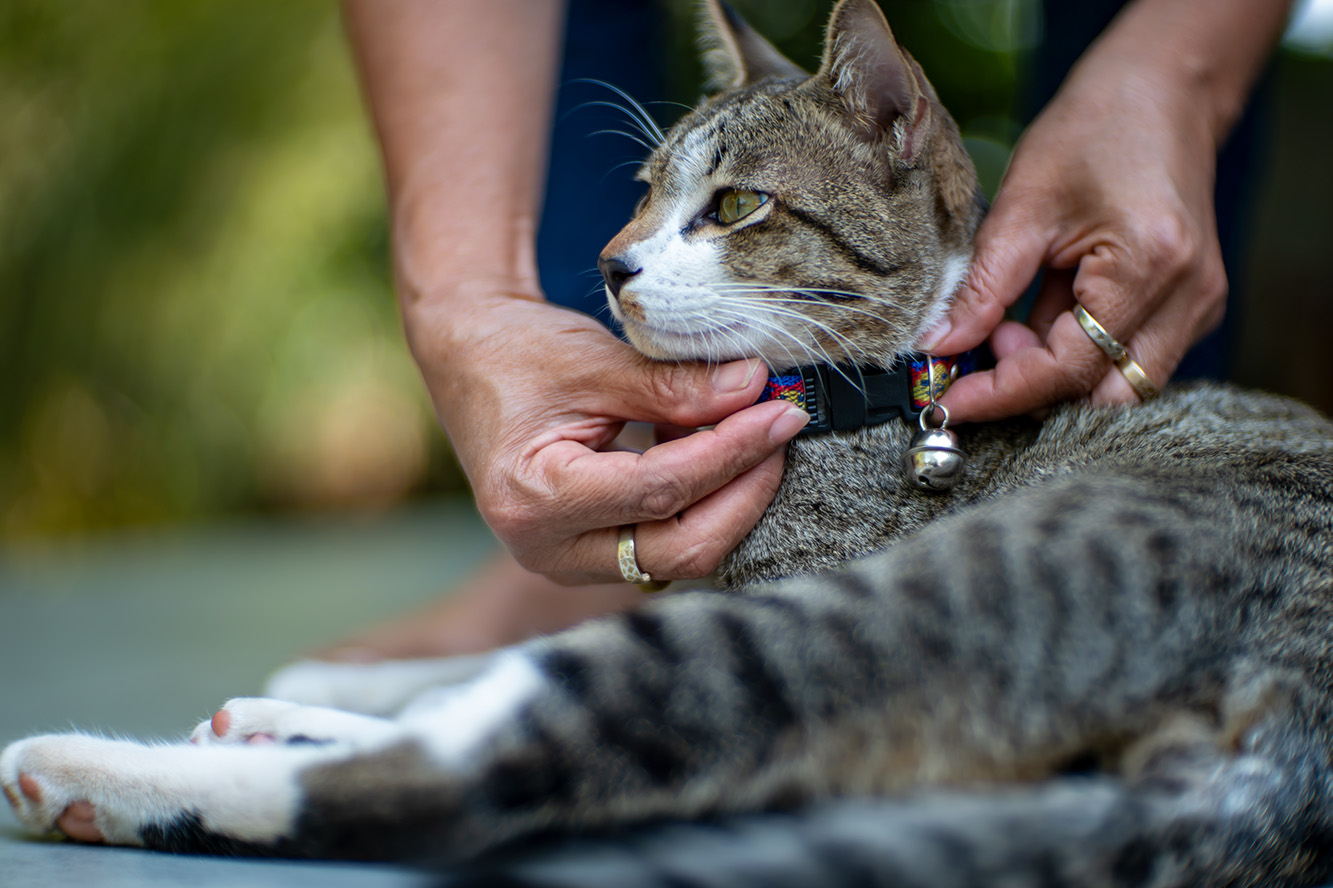
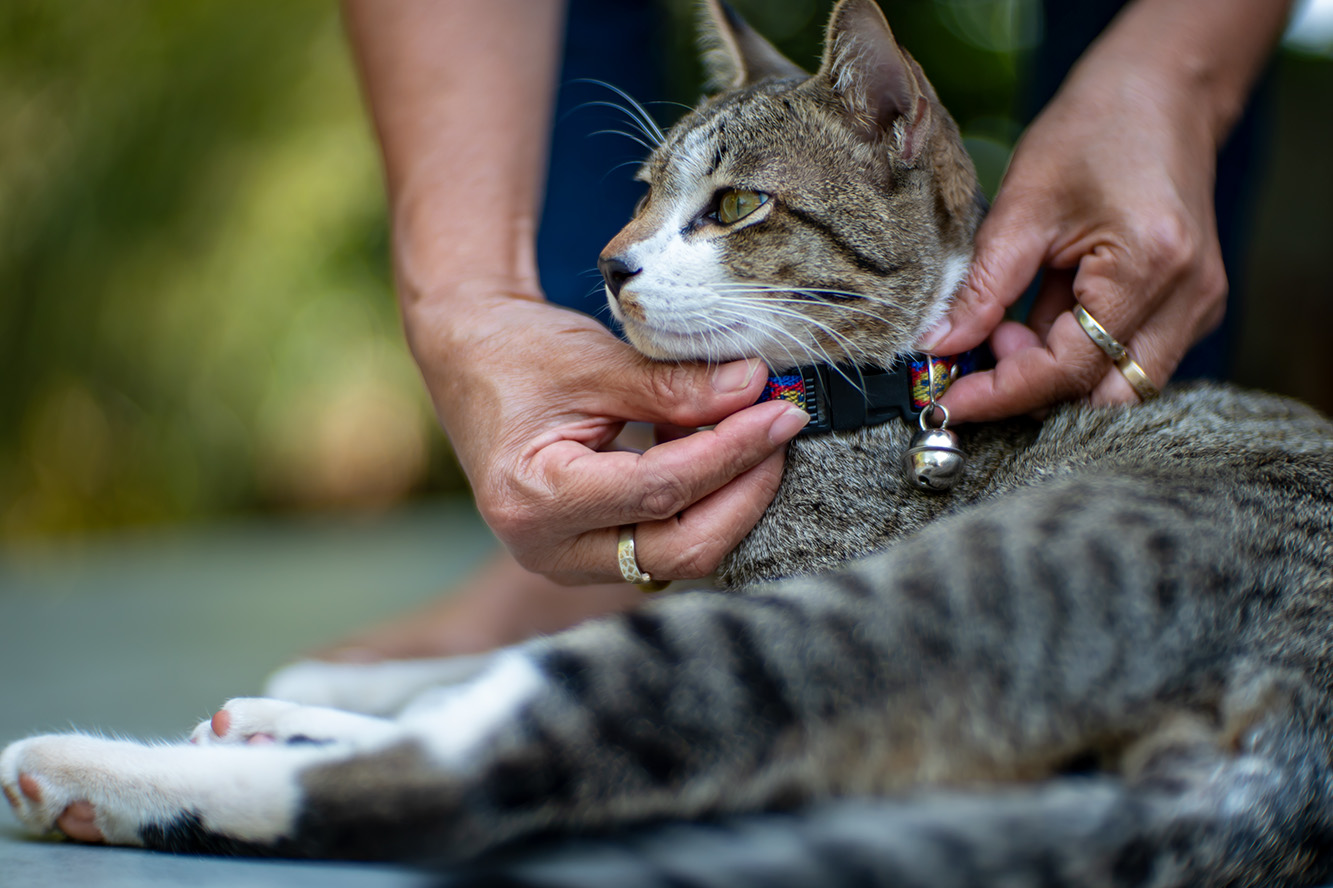
As awareness among cat owners has grown, more and more of them are choosing not to let their pets out of the house unsupervised.However, in order to ensure that the animals have contact with the outside world, they must equip themselves with the proper gear.So, what should you choose??
Harness or collar?
There is only one correct answer to this question: suspenders.Why?This is supported by feline anatomy.A cat's larynx is very fragile and can be seriously damaged if subjected to excessive pressure from a collar.This alone makes collars highly inadvisable for cats, but there are other reasons for this as well.
A collar is more dangerous than a harness if the cat gets it caught on something outside.This could lead to suffocation as the strap tightens while the animal tries to free itself from the trap.Therefore, cats should never be fitted with tick collars, let alone decorative ones.
The only exception to this rule may be special pheromone collars, which are used for indoor cats.However, it is important to ensure that the collar fits the cat’s neck perfectly, and the cat wearing it should be under the constant supervision of its owner.
Adjusting the shoulder straps
If a harness is to be used for taking your cat for walks, it must be chosen carefully and fit your cat’s body type.It’s best to ask a qualified pet store employee for help with this, or even rent a few different harnesses to try them on.There are currently many different models available—ranging from harnesses consisting of several adjustable straps to heavily padded vests.
The harness must be made of durable material and must not have any weak points (such as poor-quality fasteners or weak seams at the joints), and must fit snugly enough that the pet cannot wriggle out of them (e.g., by tucking its head between its front paws and pulling sharply away from the harness)..Keep in mind that because cats lack collarbones, they are extremely adept at wriggling free from anything that constricts their shoulder joints, which is why choosing the right harness is so important.
Getting a cat used to a harness
Not every cat will respond well to a harness, and some will simply never get used to them—you just have to accept that.The presence of anything touching the cat from the outside may be perceived by some cats as a threat, leading them to feign fainting (ang.Faint – one of the so-called “5F Strategies,” which outline various ways for an animal to escape a difficult situation, with the goal of ensuring its survival.
However, if the cat does not run away when it comes into contact with the harness but approaches it calmly, it is recommended to follow a multi-step program to acclimate the cat to the harness, gradually increasing the duration and intensity of the cat’s exposure to the stimulus.All of this should also be accompanied by a tangible reward.
Summary
The right harness can be the key to shared adventures.Let’s keep in mind, however, that even if a cat gets used to wearing a harness at home, that doesn’t mean it will feel at ease and comfortable outdoors.That is why we should always adapt our actions to our cat’s reactions, putting our pet’s safety, well-being, and comfort first.
