A cat's behavior after deworming
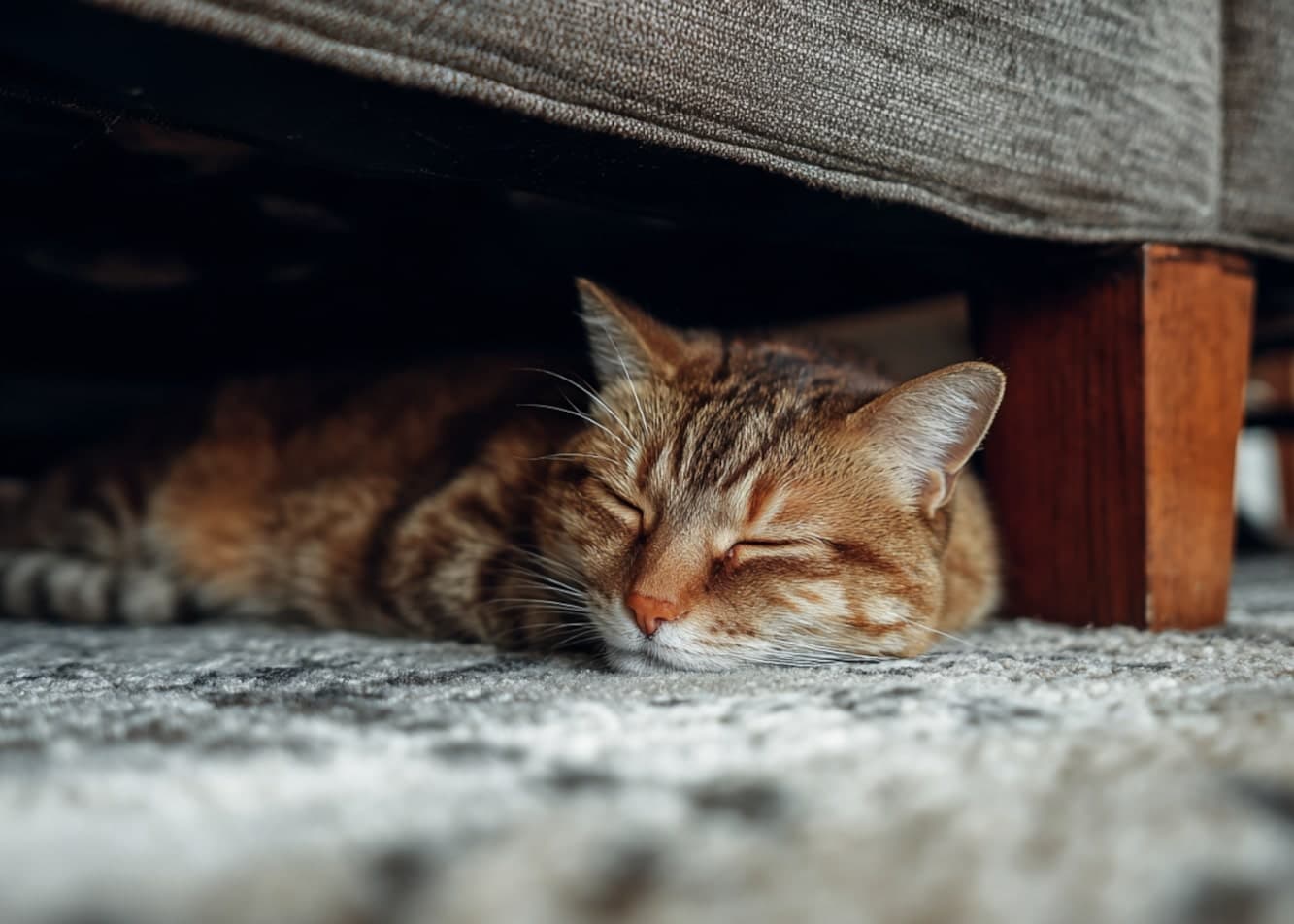
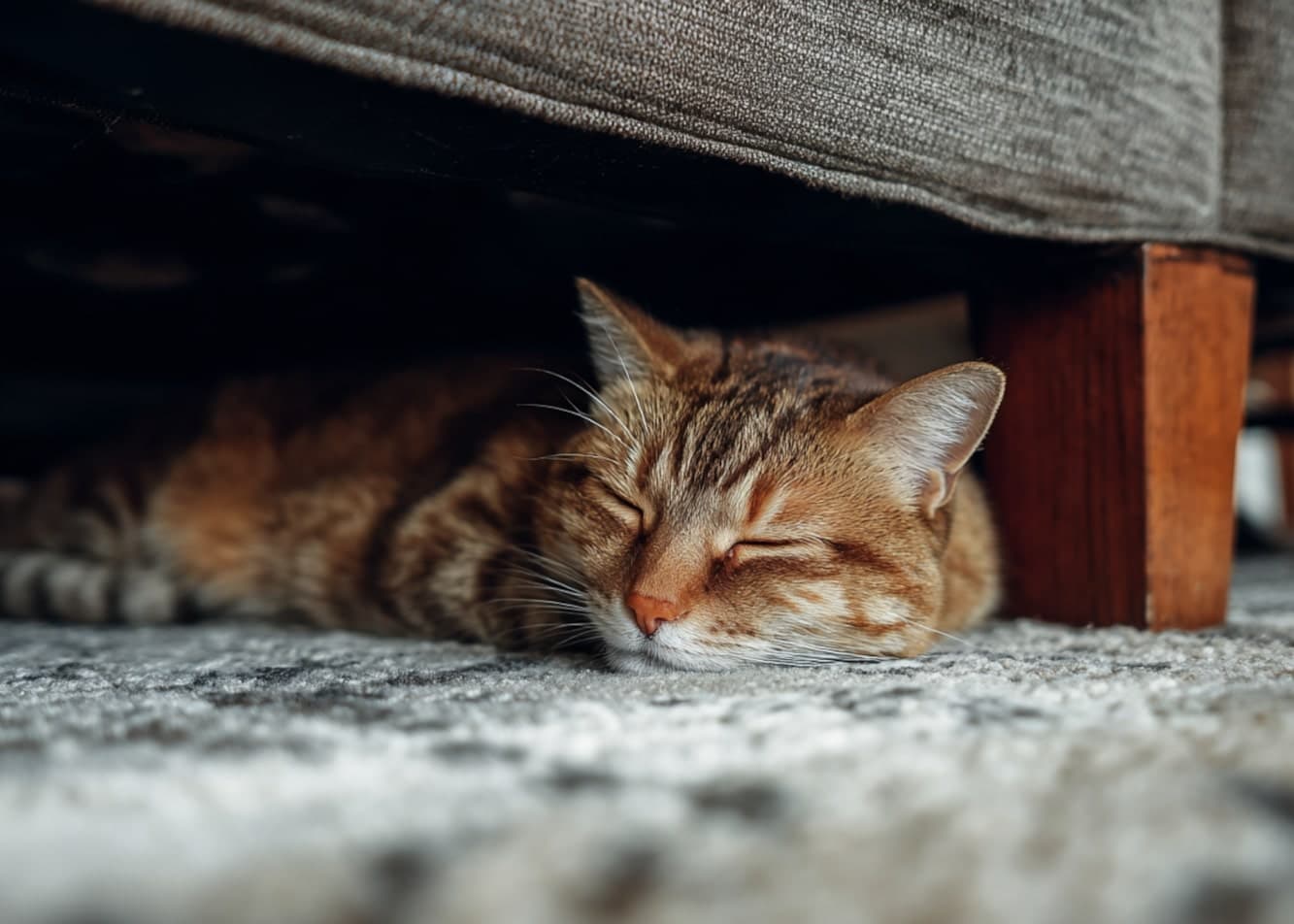
A cat's behavior after being dewormed can surprise even experienced owners.An animal that was full of energy just yesterday suddenly becomes calmer, sleeps more, or shows slightly less interest in food.Although this may be cause for concern, in most cases such reactions are completely natural—the body needs some time to regain its balance after the parasites have been removed.
How a cat reacts to a deworming treatment depends on many factors—its age, overall health, and the severity of the infestation.Sometimes, slight changes in behavior are simply a sign that the body is working to get rid of unwanted guests.It’s a good idea to give your pet a few days to recover and watch as their appetite, energy, and desire to play gradually return.
Some cats may also experience weakness after deworming, which usually resolves on its own and should not be a cause for alarm.However, if the symptoms persist or are accompanied by other concerning signs, a visit to the veterinarian is the best course of action.Understanding what happens to your cat’s body after deworming will help you approach the entire process with greater peace of mind—and take better care of your purring friend’s health.
Table of Contents:
- How does a deworming medication work, and what happens inside a cat’s body??
- Which symptoms after deworming are normal, and which ones should be cause for concern?
- How long can symptoms last after taking a dewormer??
- What to do if symptoms persist or are severe after deworming?
- How to support your cat during the deworming process?Practical tips
- When to see a veterinarian immediately?Alarm signals
How does a deworming medication work, and what happens inside a cat’s body??
Cat deworming products—available as tablets, pastes, or spot-on treatments—contain active ingredients that paralyze parasites or disrupt their basic metabolic processes.The most commonly used compounds, such as benzimidazoles, macrocyclic lactones, and praziquantel, act selectively—they destroy the parasites without damaging the cat’s tissues. After administration, the parasites living in the intestines are immobilized and should then be expelled from the digestive tract.This is why dead or partially digested parasites may be visible in the stool during the first few hours or days after administration of the medication.In some cases, a cat may experience a single episode of diarrhea or vomiting after being dewormed.This may seem alarming to a caregiver, but in most cases it is a normal bodily reaction to the cleansing process.However, if the diarrhea lasts longer than 24 hours, you should take your pet to the veterinarian.
After being dewormed, regardless of the method used, every cat should be allowed to rest in a quiet place.However, you shouldn't take your eyes off him for too long, in case his condition worsens.
During this time, your pet’s digestive system is working hard to eliminate the toxins produced by the breakdown of parasites.As a result, after being dewormed, a cat may be calmer, sleepier, or less interested in playing and eating for up to 24 hours. This is a natural phenomenon related to the body's regeneration.
Which symptoms after deworming are normal, and which ones should be cause for concern?
Many pet owners notice that immediately after receiving a deworming treatment, their pet becomes less active, sleeps longer, or doesn’t eat with the same appetite as usual.These symptoms after deworming your cat are completely normal—they indicate that the body is eliminating toxins.Short-term lethargy, drowsiness, or mild bloating may last up to two days. Some animals also experience mild stomach upset, which usually resolves on its own.
However, if the symptoms persist, the animal develops a fever, begins to vomit, or blood appears in its stool, it has difficulty breathing or swelling (e.g., around the mouth), the abdomen becomes hard and tense, you notice yellowing of the mucous membranes, or neurological symptoms (e.g., seizures) — take your cat to a veterinary clinic or emergency room immediately if the problem occurs at night.If your pet has been poisoned, it could even die without proper treatment.
| Normal (physiological) symptoms | Worrisome symptoms (requiring attention) |
|---|---|
| Short-term apathy | Repeated vomiting |
| Drowsiness | Significant weakening |
| Reduced appetite (for up to 1–2 days) | Difficulty breathing |
| Mild bloating | Swelling of the muzzle |
| A single episode of vomiting | Blood in the stool |
Mild, short-lived reactions, on the other hand, do not require medical intervention—it is enough to ensure the child remains calm and well-hydrated. 's easily digestible cat food, when served in smaller portions, will help stabilize your cat's digestive system.If you notice that your cat has a slightly reduced appetite after being dewormed, don't force it to eat.Instead, give him a quiet, peaceful place to rest.
How long can symptoms last after taking a dewormer??
A deworming treatment for cats is an important part of preventive health care, but its effects may cause short-term reactions in the body.Mild symptoms usually last no longer than 24–48 hours. During this time, your cat’s behavior after deworming may be a little different than usual—your pet will rest more, be calmer, and less eager to play.
There are also noticeable differences in behavior between kittens and adult cats.Kittens, due to their lower body weight and immature immune systems, typically react more strongly.Their bodies become dehydrated more quickly, so even a brief bout of diarrhea after deworming a cat should be closely monitored.Adult cats, on the other hand, usually tolerate the procedure much better.His body has already developed immunity and a more stable gut flora, so any symptoms are milder and subside more quickly.
What to do if symptoms persist or are severe after deworming?
If your cat’s behavior after deworming is noticeably different from usual—if your pet is lethargic, not eating, or vomiting—you should contact your veterinarian immediately. A specialist may recommend stool tests, blood tests, X-rays, ultrasounds, or an assessment of your body's hydration levels.In some cases, the use of protective agents and synbiotics, which accelerate the healing process, proves helpful.If a cat is suspected of being poisoned after deworming, the veterinarian will assess whether the symptoms result from a reaction to the active ingredient in the medication, from the body’s exposure to parasite toxins, or from an intestinal obstruction.Depending on the diagnosis, he is required to immediately initiate appropriate treatment.
It is also worth remembering that the more advanced the parasitic infestation is, the more intense the reactions may be after the parasites are removed—in such a situation, the digestive system is under additional strain.Therefore, special care must be taken with heavily infested animals, and any deterioration in their condition must be addressed promptly.
How to support your cat during the deworming process?Practical tips
First and foremost, make sure to stay hydrated.Water helps flush out toxins produced when parasites break down, and also prevents dehydration, which can occur with mild diarrhea. It’s a good idea to keep the water bowl filled with fresh water and placed in a quiet, easily accessible spot.
Next—an easily digestible diet.After deworming, the digestive system works harder, so for 1–2 days it’s a good idea to feed smaller portions but more frequently. Rest is just as important.In the first few hours after deworming, your cat may be sleepy and less active.So make sure to provide him with a quiet place to sleep, away from noise and the hustle and bustle of the house.
What if the cat doesn't poop after being dewormed??A brief absence of bowel movements—lasting up to 48 hours—may be completely normal, but it could also signal the onset of a problem (such as an intestinal obstruction). Prolonged constipation may indicate dehydration, impaired bowel function, reactions to a drug ingredient, or may result from the death of excessive masses of parasites that block peristalsis, leading to serious complications accompanied by progressive poisoning.
In some cases, the veterinarian may recommend medications to stimulate peristalsis or synbiotics, and, if necessary, administer an enema to the cat.It is important never to use home remedies as laxatives—a cat’s digestive system is extremely sensitive, and improper intervention can do more harm than good.
NOTE!Never administer any deworming medication (tablets, spot-on treatments, or pastes) on your own without consulting a veterinarian!If you choose the wrong active ingredient, dosage, or deworming frequency, you may not only expose your pet to serious poisoning but, in extreme cases, cause its death!
When to see a veterinarian immediately?Alarm signals
When taking care of your cat's health , we mustn't forget that although the deworming process is usually mild, sometimes the body reacts more strongly and prompt intervention by a specialist is needed.Most pets recover within 24 hours, but if you notice any concerning symptoms, don’t wait—a quick response can save your pet’s health and even its life.
The most important warning signs that require you to contact a veterinarian as soon as possible include:
- persistent, repeated vomiting (especially if the cat vomits repeatedly after deworming or if there are traces of blood),
- prolonged or watery diarrhea,
- Noticeable weakness in the cat after deworming, lethargy, or lack of response to stimuli,
- a complete loss of appetite for more than two days,
- difficulty breathing, swelling, seizures, or excessive salivation,
- blood in the stool, black or tarry stools,
- no bowel movement for more than 48 hours despite adequate fluid intake and a light diet.
By knowing how a cat behaves after being dewormed, it’s easier to stay calm and quickly tell if everything is going as it should.Keep in mind that mild physical reactions are usually short-lived.However, if the symptoms seem too severe or persist, it’s a good idea to consult a veterinarian—this is the best way to protect your pet from potential complications.
Author: M.Biegańska-Hendryk
Recommended
Vetoquinol Dronspot Drops for Worms and Parasites for Small Cats (0.5 kg – 2.5 kg), 2-pack
Over Zoo Over Pectovit: A Supplement to Help Relieve Diarrhea in Dogs and Cats, 50 g